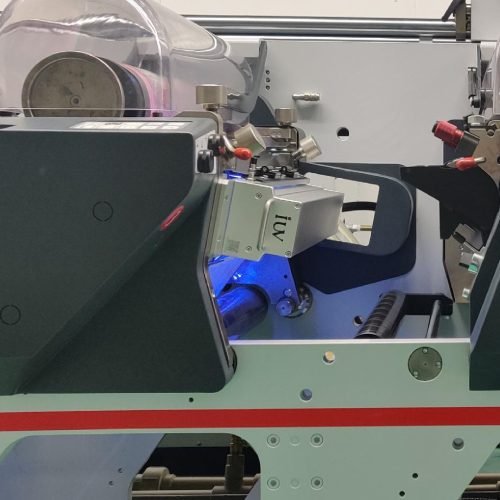
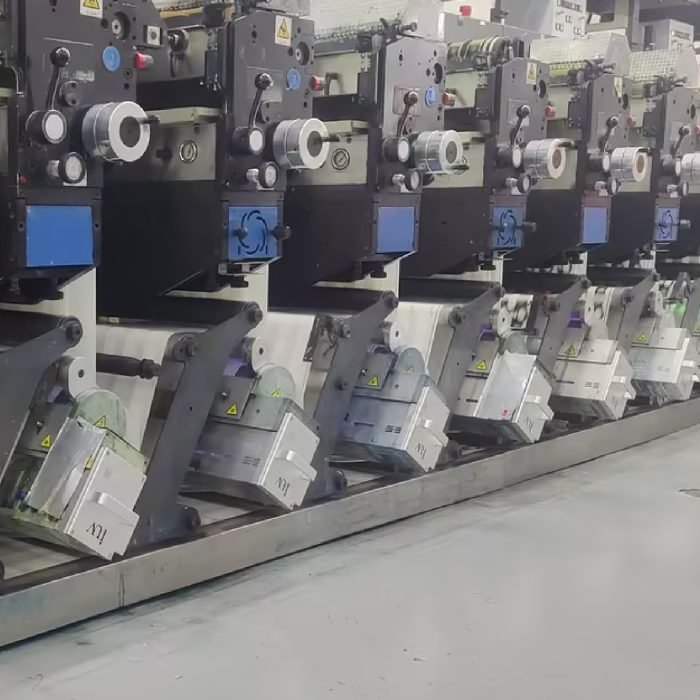
The landscape of narrow-web label printing is undergoing a significant transformation, and at the heart of this evolution lies a powerful innovation: ultra-low-energy LED UV curing systems. For businesses operating in this dynamic sector, understanding the impact and advantages of this technology is no longer optional; it’s a strategic imperative for staying competitive and efficient.
Historically, the printing industry relied on conventional UV curing methods, often involving mercury vapor lamps. While effective, these systems came with substantial drawbacks. They consumed considerable amounts of energy, generated significant heat, and required frequent bulb replacements, leading to downtime and increased operational costs. The environmental impact, from energy consumption to mercury disposal, also became a growing concern.
Enter LED UV technology. This is not just an incremental improvement; it represents a paradigm shift in how we approach curing in narrow-web printing. Unlike traditional lamps that emit a broad spectrum of light, LEDs emit a narrow, specific wavelength, precisely tuned to activate the photoinitiators within UV-curable inks and coatings. This targeted approach unlocks a cascade of benefits that are reshaping the industry.
Energy Efficiency: A Greener, Cheaper Print Process
One of the most compelling advantages of ultra-low-energy LED UV systems is their remarkable energy efficiency. These systems consume a fraction of the power required by traditional mercury lamps. This drastic reduction in energy consumption translates directly into lower electricity bills, a significant cost saving for any printing operation. Furthermore, the reduced heat output minimizes the need for extensive cooling systems, further contributing to energy savings and a more comfortable working environment. The sustainability aspect is also undeniable, with a lower carbon footprint making businesses more environmentally responsible.
Instant On/Off and Instant Cure: Boosting Productivity
Traditional UV lamps require a warm-up period before reaching optimal curing intensity and need to cool down before being switched off. This leads to wasted energy and production delays. LED UV systems, on the other hand, offer instant on/off capabilities. This means they only consume energy when actively printing, and they reach full curing power almost instantaneously. This rapid response time significantly reduces setup times and allows for more efficient job changeovers. The ability to achieve a full cure instantly upon exposure to the LED light also means labels can be handled, finished, and dispatched much faster, dramatically increasing overall production throughput.
Extended Lifespan and Reduced Maintenance: Minimizing Downtime
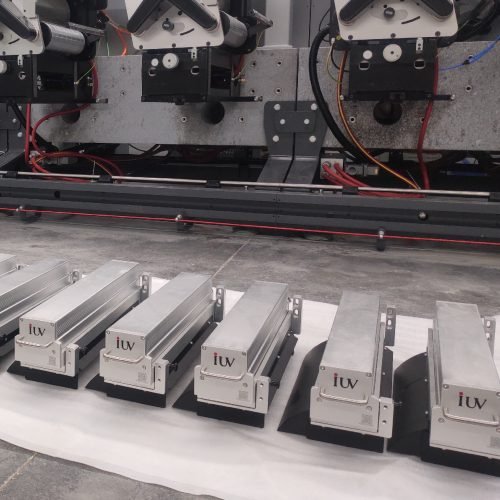
The lifespan of LED UV emitters is vastly superior to that of mercury vapor lamps. While mercury lamps typically last for 800 to 2,000 hours, LED emitters can operate for 20,000 to 50,000 hours or even more. This extended lifespan dramatically reduces the frequency of bulb replacements, a process that can be costly and disruptive. Less maintenance means less downtime, which is a critical factor in the high-volume, time-sensitive world of label printing. This translates into predictable operational costs and greater reliability for printing businesses.
Reduced Heat Load: Protecting Sensitive Substrates
The significant heat generated by traditional UV lamps can pose a challenge when printing on heat-sensitive substrates, such as certain plastics or thin films commonly used in label applications. This heat can cause substrate distortion, ink adhesion problems, or even damage the material itself. Ultra-low-energy LED UV systems emit very little heat. This low thermal load allows printers to run jobs at higher speeds without compromising the integrity of the substrate, opening up a wider range of material possibilities and enhancing print quality on delicate materials.
Enhanced Ink and Coating Performance: Achieving Superior Results
The precise wavelength output of LED UV systems allows for more efficient curing of specialized UV-curable inks and coatings. This can lead to improved ink adhesion, greater scratch and chemical resistance, and enhanced color vibrancy. For label printers aiming for premium finishes and durable products, this precise control over the curing process is invaluable. It enables the application of a wider variety of special effects, such as high-gloss varnishes or textured finishes, with greater consistency and reliability.
Applications in Narrow-Web Label Printing: A Multifaceted Solution
The benefits of ultra-low-energy LED UV systems are particularly relevant to the demands of narrow-web label printing, which encompasses a wide array of applications including:
- Food and Beverage Labels: Durability, resistance to moisture and chemicals, and vibrant graphics are essential. LED UV curing ensures inks remain intact and colors pop, even in challenging environments.
- Pharmaceutical Labels: Compliance with strict regulations, resistance to abrasion, and legibility of critical information are paramount. The precise curing offered by LEDs contributes to the integrity and longevity of these vital labels.
- Cosmetics and Personal Care Labels: Aesthetic appeal is key. LED UV systems enable printers to achieve high-gloss finishes, vibrant colors, and special effects that enhance product shelf appeal.
- Industrial and Chemical Labels: Robustness and resistance to harsh environments are non-negotiable. LED UV-cured inks provide the necessary durability for labels that must withstand oils, solvents, and extreme temperatures.
- Promotional and Security Labels: Special effects, such as lenticular or metallic finishes, and the need for tamper-evident features are readily achievable with the controlled curing offered by LED UV technology.
Adapting to Flexographic and Offset Printing: Seamless Integration
The transition to LED UV curing is proving to be a smooth process for both flexographic (flexo) and offset printing presses used in narrow-web label production.
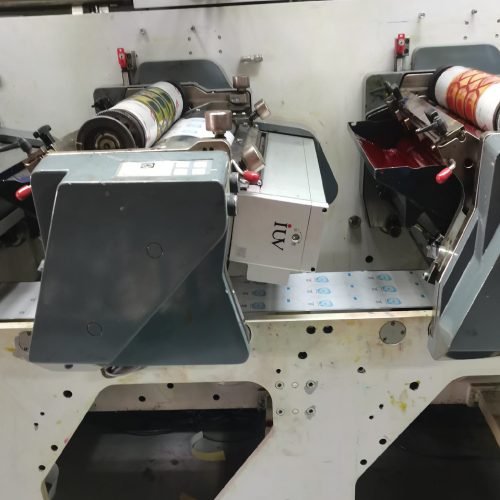
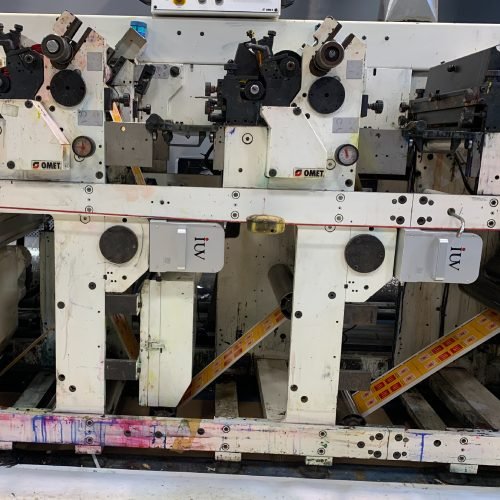
Flexographic Printing: In flexo, where raised plates transfer ink to the substrate, LED UV systems integrate seamlessly. The ability to cure inks instantly at high speeds is a major advantage, allowing for faster press speeds and the production of complex, multi-color labels without ink smearing or transfer issues between stations. The lower heat output also benefits the flexible plates themselves.
Offset Printing: For narrow-web offset presses, LED UV offers similar advantages. It allows for higher print speeds, improved ink drying on a variety of substrates, and enhanced print quality, especially when dealing with dense ink coverage or specialty coatings. The elimination of heat buildup also contributes to better register control.
The Future of Label Printing: Embracing LED UV
The adoption of ultra-low-energy LED UV systems in narrow-web label printing is not merely a trend; it’s a fundamental shift towards a more efficient, cost-effective, and sustainable printing future. For label converters, embracing this technology means unlocking new levels of productivity, expanding substrate capabilities, achieving superior print quality, and reducing operational costs and environmental impact. As the technology continues to mature and become more accessible, it will undoubtedly become the standard for discerning printers looking to excel in the competitive label market.