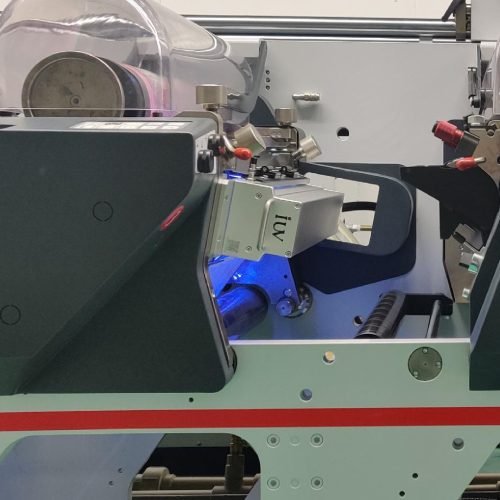
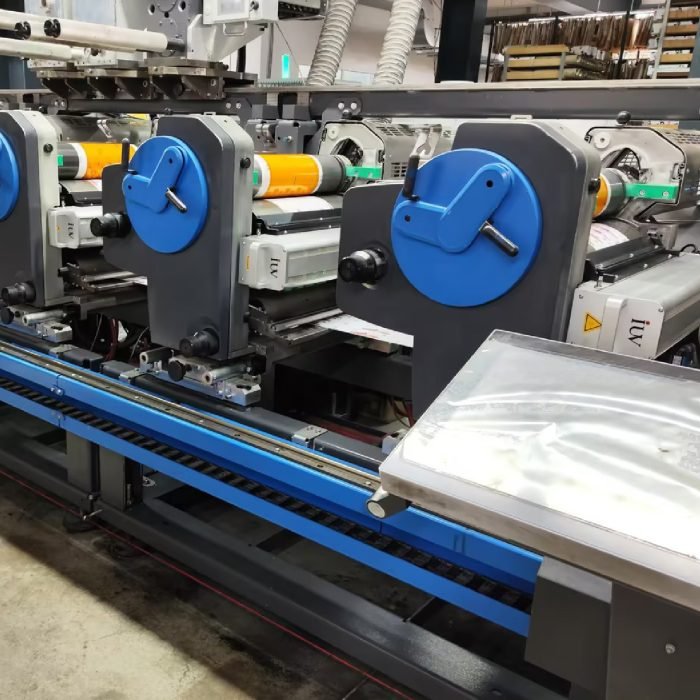
The printing industry is constantly seeking ways to enhance efficiency and sustainability. One significant area of focus is energy consumption, particularly the heat generated during the drying and curing stages. Traditional curing methods, such as mercury vapor lamps, are notorious for their high energy demands and substantial heat output. This heat not only contributes to increased operational costs but also can negatively impact substrate quality and operator comfort. Fortunately, advanced LED UV solutions offer a compelling alternative, promising significant reductions in heat and energy waste across various printing sectors.
The Challenge of Heat and Energy in Conventional Printing
In conventional printing processes, especially those involving UV curing, the primary method for drying inks and coatings has historically been mercury vapor lamps. These lamps operate at high temperatures and emit a broad spectrum of light, much of which is not utilized in the curing reaction. The excess energy is dissipated as heat, leading to several issues:
- Substrate Degradation: High heat can warp, shrink, or discolor sensitive substrates like thin films, certain plastics, and some papers. This limits material choices and can lead to costly waste.
- Increased HVAC Load: The heat generated by curing lamps requires significant ventilation and air conditioning to maintain a comfortable and safe working environment. This adds to the overall energy bill.
- Energy Inefficiency: A considerable portion of the energy supplied to mercury lamps is converted into heat rather than the UV light needed for curing. This translates directly to higher electricity consumption and operating expenses.
- Lamp Lifespan and Maintenance: Mercury lamps have a finite lifespan and require frequent replacement. Their disposal also presents environmental concerns.
The Rise of LED UV Curing Technology
Light Emitting Diode (LED) UV curing represents a paradigm shift in how printing inks and coatings are dried and cured. Unlike mercury lamps, LEDs emit UV light within a narrow, specific wavelength band that is highly efficient at initiating the photo-polymerization process. This targeted emission brings about a host of advantages, particularly in managing heat and energy.
How LED UV Works
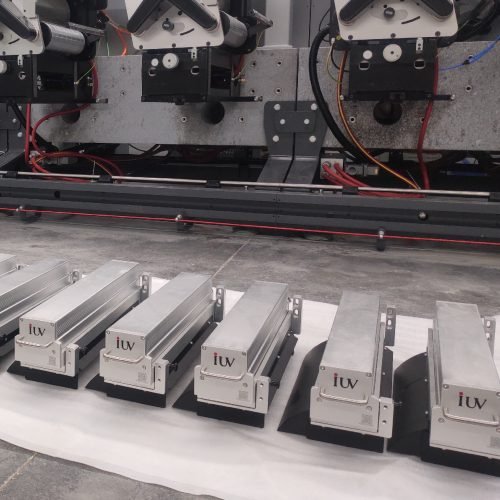
LED UV systems utilize semiconductor diodes that emit UV light when an electric current passes through them. The key advantages of this technology include:
- Targeted Wavelengths: LEDs can be precisely engineered to emit UV light at specific wavelengths (e.g., 365 nm, 385 nm, 395 nm, 405 nm) that are most effective for curing particular ink and coating formulations. This means more energy is used for curing and less is wasted as heat.
- Instant On/Off Capability: LEDs require no warm-up time. They can be switched on and off instantaneously, allowing for precise control over the curing process and eliminating energy consumption when not needed.
- Lower Operating Temperatures: The efficient conversion of electricity to UV light means LEDs generate significantly less heat compared to mercury lamps. This results in a cooler operating environment and reduced strain on cooling systems.
- Longer Lifespan: LED arrays can last tens of thousands of hours, far exceeding the lifespan of traditional mercury lamps. This reduces maintenance downtime and replacement costs.
- Energy Efficiency: LEDs consume considerably less power to achieve equivalent or superior curing results, directly translating to lower electricity bills.
Benefits for Specific Printing Sectors
The impact of LED UV solutions is being felt across various segments of the printing industry, offering tailored advantages for each.
Narrow Web and Label Printing
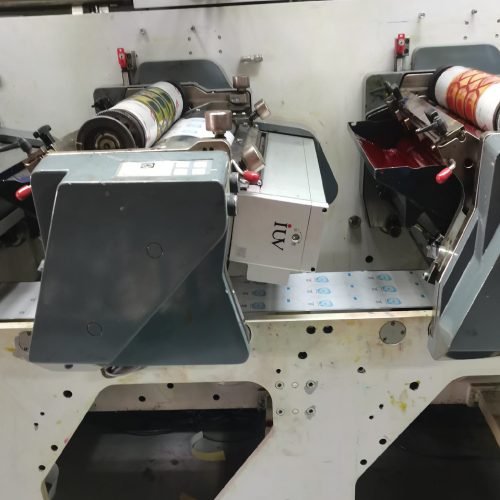
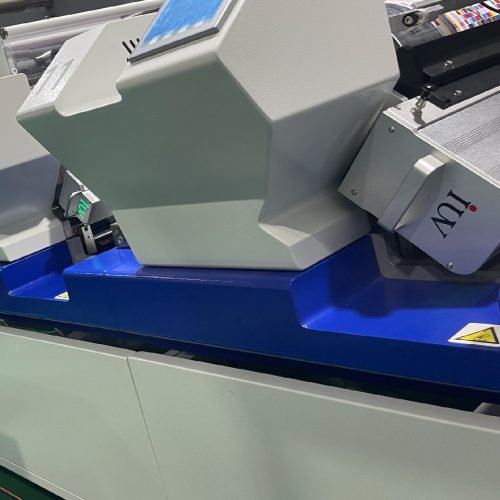
In the narrow web and label printing sector, space is often at a premium, and substrates can be delicate. The reduced heat output from LED UV systems is a major advantage:
- Handling Sensitive Substrates: Thin films, foils, and heat-sensitive papers commonly used in label production can be cured effectively without warping or damage, opening up a wider range of material possibilities.
- Increased Line Speed: The precise and efficient curing provided by LEDs allows for faster press speeds without compromising ink adhesion or finish, boosting productivity.
- Reduced Risk of Fire: The lower operating temperature minimizes the risk of spontaneous combustion associated with certain ink types and high-temperature drying.
- Energy Savings: Label printers, often running multiple shifts, can realize substantial energy cost reductions by switching to more efficient LED UV curing.
Flexographic Printing
Flexography, a versatile printing method used for packaging, labels, and more, benefits greatly from the controlled curing of LED UV.
- Consistent Curing: LED UV ensures uniform curing across the entire print area, leading to consistent ink performance, rub resistance, and color fidelity, crucial for brand integrity in packaging.
- Reduced VOCs: Many UV-curable inks and coatings used in flexo are low in volatile organic compounds (VOCs). LED UV curing further supports this by requiring less energy, which can indirectly lead to a lower carbon footprint.
- Flexibility in Ink Formulations: LED UV technology is compatible with a wide array of UV flexo inks, including water-based UV and hybrid formulations, offering printers greater choice.
- Improved Anilox Roller Longevity: The reduced heat stress can contribute to the longevity of anilox rolls, an important component in flexographic printing.
Offset Printing (Sheetfed and Web)
While traditionally reliant on heatset or conventional UV, offset printing is also embracing LED UV for its advantages.
- Immediate Post-Print Handling: Sheets cured with LED UV can be handled immediately, eliminating waiting times and reducing the risk of smudging or scratching on the press or during finishing.
- Reduced Ink Set-Off: The efficient and controlled curing minimizes ink migration, a common issue in offset printing, especially with porous substrates.
- Energy Efficiency and Cost Savings: For printers running long runs or multiple jobs, the energy savings offered by LED UV are significant, contributing to a healthier bottom line.
- Improved Print Quality on Challenging Stocks: LED UV can provide excellent cure on a variety of stocks, including coated and uncoated papers, plastics, and metalized materials, without the heat-induced distortions sometimes seen with other methods.
Implementing LED UV Solutions: Key Considerations
Transitioning to LED UV curing involves careful planning. Here are some factors to consider:
- Ink and Coating Compatibility: Not all existing UV inks are optimized for LED UV. It is important to ensure that the chosen inks and coatings are specifically formulated for the wavelengths emitted by the LED system. Suppliers offer a growing range of LED-curable inks.
- Wavelength Selection: Different LED wavelengths are effective for different applications. Consultation with ink and equipment manufacturers is key to selecting the appropriate wavelength for specific print jobs and substrates.
- Irradiance and Dose: The intensity of UV light (irradiance) and the total energy delivered (dose) are critical for achieving a complete cure. LED systems offer precise control over these parameters.
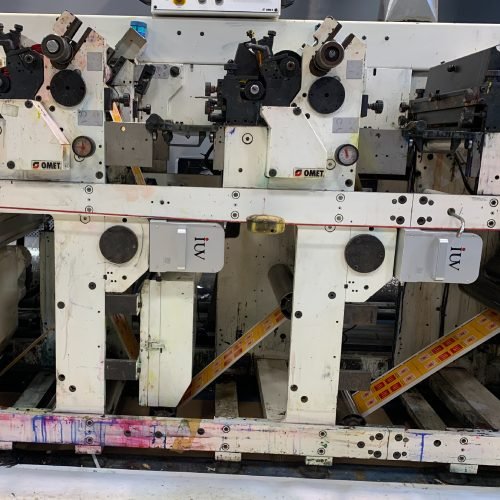
- Integration with Press Equipment: LED UV systems need to be seamlessly integrated with the printing press. This can involve retrofitting existing presses or specifying LED UV as part of new equipment purchases.
- ROI Analysis: While the initial investment in LED UV technology can be higher, the long-term savings in energy, reduced waste, increased productivity, and lower maintenance costs typically provide a strong return on investment.
The Future is Cool and Efficient
The move towards LED UV curing in the printing industry is not just a trend; it’s a fundamental shift driven by the need for greater efficiency, sustainability, and improved print quality. By significantly reducing heat and energy waste, LED UV solutions empower printers in narrow web, flexographic, and offset applications to operate more cost-effectively, handle a wider range of materials, and minimize their environmental impact. As the technology continues to evolve and become more accessible, it solidifies its position as a cornerstone of modern, responsible printing operations. Embracing LED UV is an investment in a cooler, greener, and more profitable printing future.