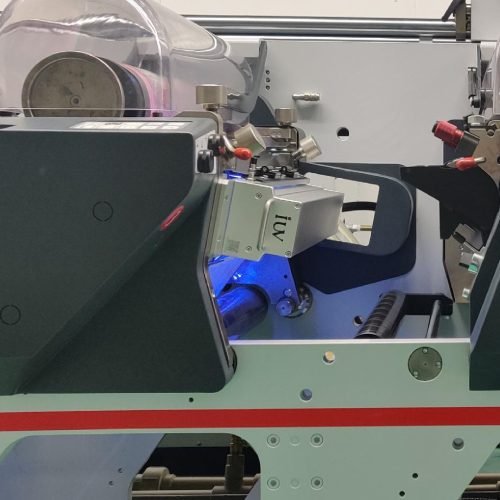
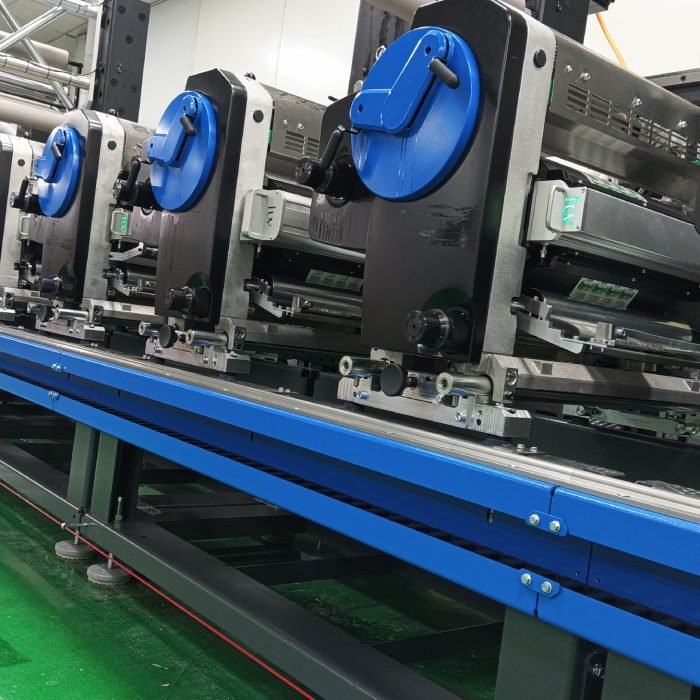
In the dynamic world of printing, achieving exceptional color vibrancy and rapid drying times is paramount. This is especially true for label, flexographic, and offset printing applications where speed and quality directly impact profitability and client satisfaction. The advent of UV LED curing technology has revolutionized these processes, offering significant advantages over traditional methods. This article delves into how optimizing UV LED curing directly translates to more brilliant colors and faster turnaround times in your print operations.
The Science Behind UV LED Curing
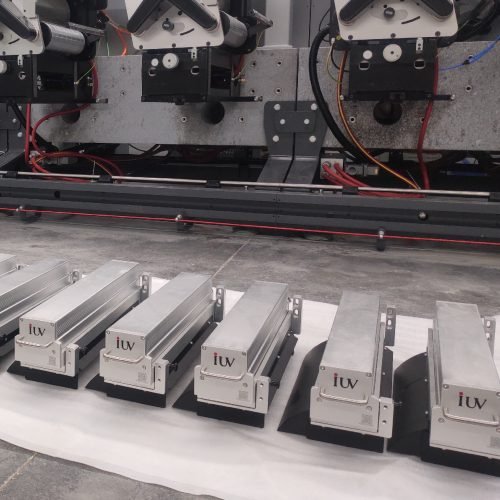
UV LED curing utilizes light-emitting diodes (LEDs) to emit ultraviolet (UV) light at specific wavelengths. When this UV light interacts with UV-curable inks, coatings, or adhesives, it triggers a photochemical reaction. This reaction causes the monomers and oligomers within the ink to rapidly polymerize, transforming the liquid into a solid, durable film. Unlike traditional mercury vapor lamps, UV LEDs offer a more focused and controllable energy output, leading to more efficient and consistent curing.
Boosting Color Vibrancy with Precision Curing
One of the most significant benefits of UV LED curing is its ability to enhance color vibrancy. Traditional curing methods can sometimes lead to ink degradation or color shift due to excessive heat or uneven exposure. UV LEDs, however, operate at much lower temperatures, minimizing the risk of thermal distortion or fading.
Furthermore, the precise wavelength control of UV LEDs allows for optimized energy transfer to the ink. This means that the photoinitiators within the ink are activated more effectively, leading to a more complete and uniform cure. A thorough cure ensures that the pigments in the ink are locked in place without degradation, resulting in richer, more saturated colors and a wider color gamut. For label printing, where eye-catching visuals are crucial for shelf appeal, this enhanced vibrancy can significantly boost product recognition and sales.
Accelerating Drying Speed for Increased Throughput
The speed at which ink dries is a critical factor in print production efficiency. Slow drying times can lead to smudging, blocking (ink transferring to the next sheet or roll), and production bottlenecks. UV LED curing offers an almost instantaneous drying process. As soon as the UV light hits the ink, the polymerization begins, transforming the liquid ink into a solid film within fractions of a second.
This rapid drying capability is a game-changer for high-speed printing presses used in flexographic and narrow web printing. With UV LED curing, printers can immediately move printed materials to the next stage of production, whether that’s finishing, die-cutting, or slitting, without the risk of ink transfer or damage. This dramatically increases throughput and reduces lead times, allowing businesses to meet tighter deadlines and handle larger order volumes.
UV LED Curing in Flexographic Printing
Flexographic printing, commonly used for packaging and labels, benefits immensely from UV LED curing. The inherent flexibility of flexographic plates and substrates requires inks that cure quickly and adhere well. UV LED curing ensures that the ink is fully cured across the entire printed surface, even on textured or uneven substrates. This results in durable prints with excellent rub and scratch resistance, essential for products that undergo significant handling. The lower heat output also prevents heat-sensitive substrates, often used in flexible packaging, from deforming, maintaining their structural integrity.
Optimizing for Offset Printing
In offset printing, UV LED curing provides a clean and efficient drying solution. Traditional heat-set offset inks require significant time and energy to dry, often involving large ovens. UV LED curing eliminates the need for these energy-intensive drying systems. The immediate curing prevents ink from migrating into the paper or spreading on the surface, leading to sharper dot definition and crisper images. This is particularly valuable for high-quality commercial printing and packaging applications where fine details and precise color reproduction are expected. The reduced heat also allows for printing on a wider range of substrates, including plastics and foils, which are often incompatible with heat-based drying.
The Advantages for Narrow Web Printing
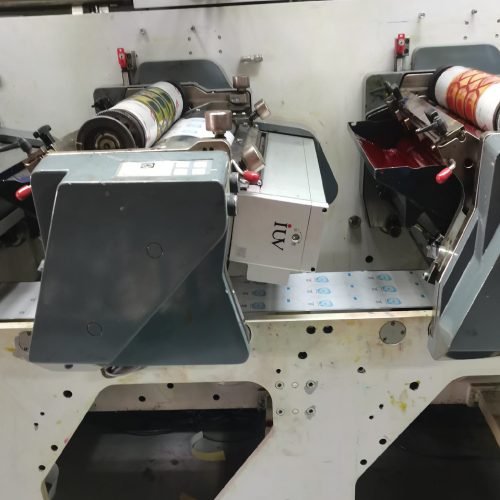
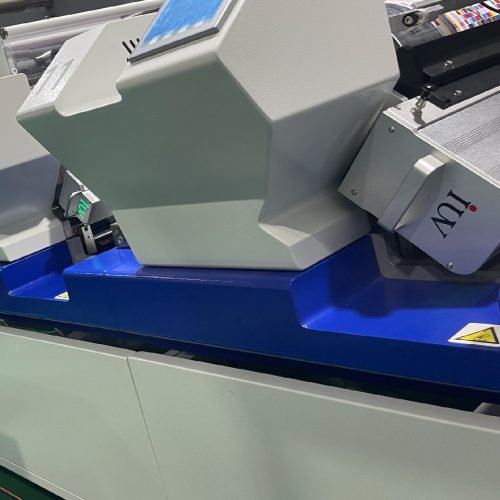
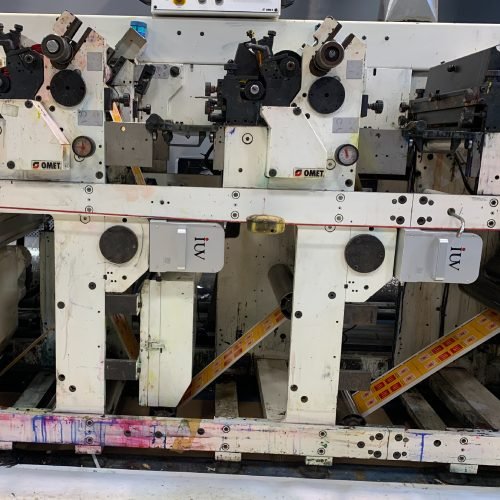
Narrow web printing, a specialized area often focused on label and flexible packaging production, thrives on efficiency and precision. UV LED curing aligns perfectly with these demands. The compact nature of UV LED curing systems makes them ideal for integration into narrow web presses, where space is often at a premium. The instant cure allows for inline finishing processes, such as lamination, die-cutting, and embossing, to be performed immediately after printing, streamlining the entire production workflow. This integration significantly reduces the need for multiple handling steps and minimizes the risk of errors or damage to the printed material.
Key Considerations for UV LED Curing Implementation
To fully leverage the benefits of UV LED curing, several factors need careful consideration:
- Ink Formulation: Ensure your inks are specifically formulated for UV LED curing. Different LED wavelengths require corresponding photoinitiator packages for optimal curing.
- Substrate Compatibility: While UV LED curing is versatile, always test ink adhesion and curing performance on your specific substrates.
- Wavelength Selection: UV LEDs are available in various wavelengths (e.g., 365 nm, 395 nm, 405 nm). The choice of wavelength depends on the ink formulation and desired curing speed.
- Energy Output and Exposure Time: Proper calibration of the LED system’s energy output and the press speed (exposure time) is critical for achieving a complete cure without over-exposure or under-exposure.
- Maintenance and Lifespan: UV LEDs have a significantly longer lifespan than traditional mercury lamps, but regular cleaning and inspection are still necessary to maintain optimal performance.
The Future of Print with UV LED Curing
UV LED curing technology represents a significant advancement in printing, offering a compelling combination of enhanced color vibrancy and rapid drying speeds. For flexographic, offset, and narrow web printers, embracing this technology is not just about improving print quality; it’s about increasing efficiency, reducing energy consumption, and gaining a competitive edge in a demanding market. By understanding and optimizing the nuances of UV LED curing, printing businesses can unlock new levels of performance and deliver superior results to their clients.