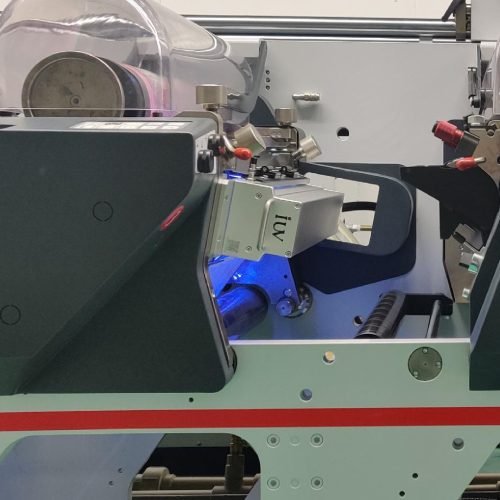
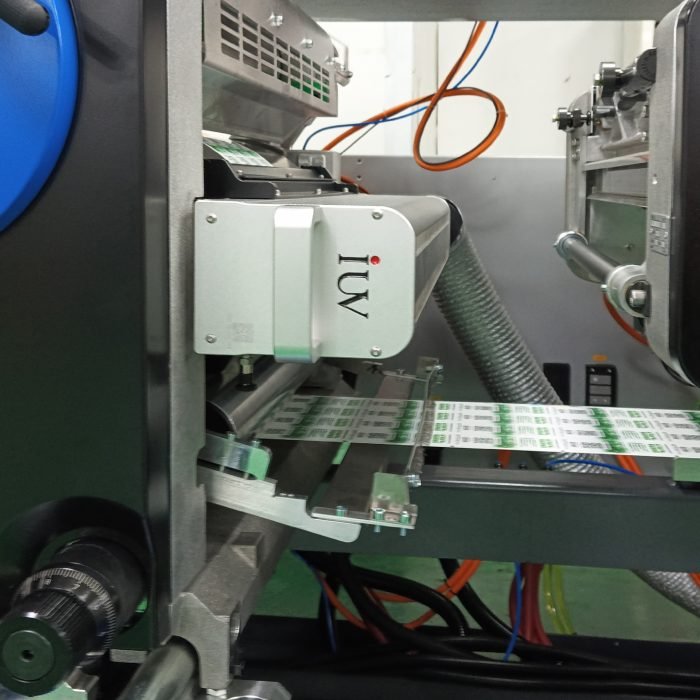
The printing industry is always seeking ways to enhance quality and efficiency. Achieving consistent results and a superior finish are paramount, especially in competitive markets like label and packaging. Modern printing technologies are constantlyevolving. Among these, advanced UV LED systems are making a significant impact. These systems offer a compelling alternative to traditional UV curing methods. They bring notable improvements in print consistency and gloss levels. This article explores how these sophisticated UV LED systems benefit various printing applications.
The Evolution of UV Curing in Printing
For decades, UV curing has been a staple in printing. It uses ultraviolet light to instantly dry or “cure” inks, coatings, and adhesives. This process offers several advantages. It allows for faster printing speeds. It enables printing on a wider range of materials, including heat-sensitive substrates. Traditional mercury arc lamps have been the primary source for UV curing. However, these lamps have drawbacks. They consume a lot of energy. They generate significant heat. Their lifespan is limited. They also contain hazardous materials.
The emergence of UV LED technology has addressed many of these limitations. UV LED curing uses light-emitting diodes. These diodes emit UV light at specific wavelengths. This targeted emission provides precise control over the curing process. Unlike mercury lamps, LEDs are highly energy-efficient. They produce very little heat. They have an exceptionally long operational life. This makes them a more sustainable and cost-effective solution for printers.
Enhancing Print Consistency with UV LED Systems
Print consistency is critical for brand recognition and customer satisfaction. Variations in ink density, color matching, and coating uniformity can lead to rejected jobs. UV LED systems contribute to better consistency in several ways.
Firstly, the controlled wavelength output of LEDs ensures reliable ink curing. Each ink formulation is designed to cure under specific UV wavelengths. LEDs can be precisely tuned to match these requirements. This leads to uniform polymerization of the ink across the entire print. It prevents under-curing or over-curing, which can cause inconsistencies.
Secondly, the low heat output of UV LEDs is a significant advantage. Traditional lamps can transfer heat to the substrate. This heat can cause the material to expand or contract. This dimensional instability affects print registration. It can also lead to dot gain issues. With LEDs, this heat-induced distortion is minimized. This allows for sharper details and more accurate color placement, job after job.
Thirdly, the instant on/off capability of LEDs offers greater control. Printers can activate the LEDs precisely when needed. This reduces exposure time and prevents unnecessary heat build-up. This precise control contributes to a stable printing environment. It results in more predictable and consistent print quality.
Achieving Superior Gloss with UV LED Curing
Gloss is often a key factor in the perceived quality of a printed product. High gloss finishes can make colors appear more vibrant. They can enhance the visual appeal of labels and packaging. UV LED systems are adept at achieving superior gloss.
The curing mechanism of UV LED is highly efficient. It drives the photopolymerization reaction rapidly and completely. This rapid curing process locks in the ink and coating structure. It prevents the ink from sinking into the substrate. This surface-level curing is essential for achieving a smooth, high-gloss finish.
Furthermore, the specific wavelengths emitted by LEDs can be optimized for different UV inks and coatings. Many high-gloss coatings are formulated to cure effectively under specific LED spectrums. When matched correctly, these systems promote the formation of a smooth, unbroken surface. This surface reflects light uniformly, resulting in a brilliant gloss.
The absence of significant heat in LED curing also plays a role. Excessive heat can sometimes degrade the gloss of a coating. It can cause surface imperfections. LEDs avoid this issue, preserving the intended gloss level of the formulation.
Applications in Narrow Web Printing, Labels, and Flexography
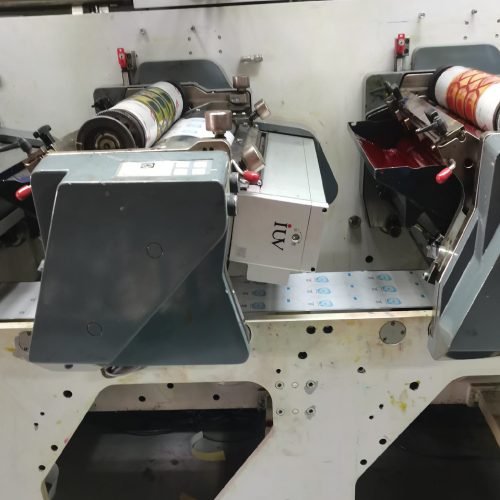
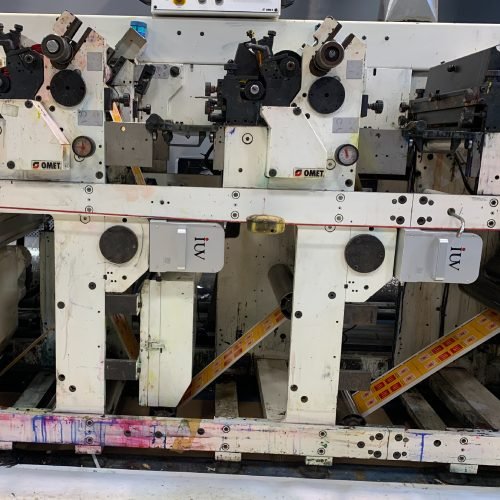
The benefits of UV LED systems are particularly pronounced in narrow web printing. This sector includes label printing and flexible packaging production. These applications demand high speeds, versatility, and exceptional print quality.
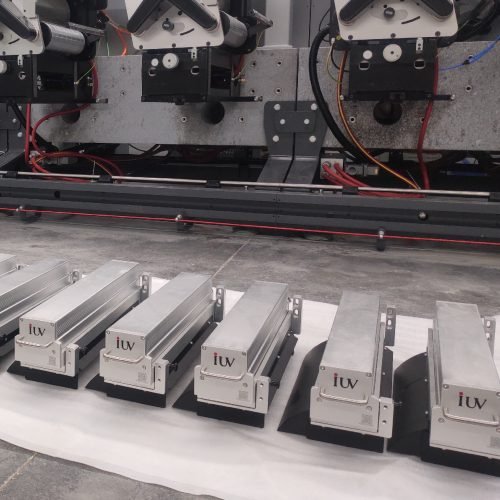
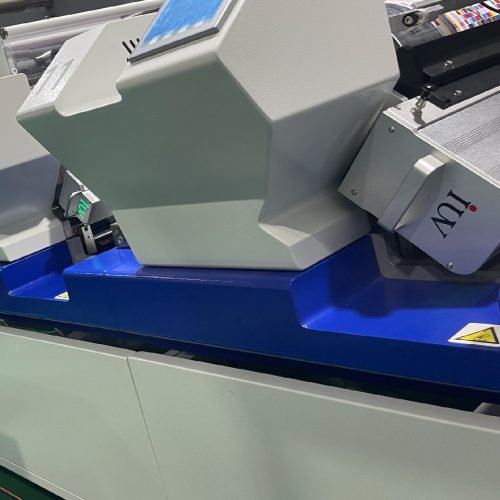
In narrow web presses, space is often at a premium. The compact design of UV LED curing units makes them ideal. They can be easily integrated into existing press configurations. Their low power consumption also reduces the demands on the press’s electrical system.
For label printers, consistency is crucial. Labels often feature intricate designs and fine text. They need to look perfect on the shelf. UV LED curing ensures sharp print definition and vibrant colors. It also enables the use of specialty varnishes and coatings. These can add tactile effects and high-impact gloss to labels. This helps brands stand out.
Flexographic printing, or flexo, is a workhorse in label and packaging. Traditional UV curing in flexo could lead to plate wear and substrate distortion due to heat. UV LED curing offers a cooler, gentler approach. This preserves the integrity of the printing plates. It allows for higher printing speeds without compromising registration. The consistent curing ensures that ink transfer is uniform. This is vital for achieving consistent line screens and solid areas in flexo.
Benefits for Offset Printing
Offset printing, especially in sheetfed and web applications, also benefits significantly from UV LED technology. While offset traditionally uses heatset or conventional UV, LED offers a compelling upgrade.
In offset, consistent ink drying is key to preventing set-off and smudging. UV LED curing provides instant and complete drying. This means sheets can be handled immediately. This speeds up post-press operations like cutting and stacking.
The ability of LEDs to cure at lower temperatures is also beneficial for offset. It allows printers to use a wider variety of paper stocks. This includes delicate or coated papers that might be susceptible to heat damage. The improved consistency means better dot reproduction and cleaner image areas. This translates to higher fidelity reproduction of graphics and text.
Furthermore, the reduced heat load from LED systems can improve the performance of offset inks and coatings. It helps maintain their intended properties. This ensures that finishes remain consistent across long print runs.
Advantages of UV LED Systems Summarized
The advantages of advanced UV LED systems are multifaceted. They contribute to improved print quality and operational efficiency.
- Energy Efficiency: LEDs consume significantly less power than mercury lamps. This leads to lower electricity bills.
- Reduced Heat: The low heat output minimizes substrate distortion and damage. This enables printing on a wider range of materials.
- Longer Lifespan: LED lamps have an operational life of 20,000 hours or more. This drastically reduces replacement costs and downtime.
- Instant On/Off: Precise control over curing allows for faster job setup and reduced wasted ink or coating.
- Environmental Benefits: LEDs are mercury-free. Their energy efficiency contributes to a smaller carbon footprint.
- Improved Consistency: Targeted wavelengths and controlled curing lead to more uniform ink and coating performance.
- Enhanced Gloss: Efficient surface curing results in smoother finishes and higher gloss levels.
- Compact Design: The smaller footprint of LED units allows for easier integration into existing printing presses.
- Faster Curing: LEDs can achieve full cure in seconds or fractions of a second. This supports higher printing speeds.
- Wavelength Specificity: LEDs can be selected for precise wavelengths, optimizing cure for specific ink chemistries.
Considerations for Implementing UV LED Curing
Adopting UV LED technology requires careful consideration. It is not simply a plug-and-play replacement for traditional UV systems.
Ink and coating compatibility is paramount. UV LED inks and coatings are formulated to cure efficiently under specific LED wavelengths. Using conventional UV inks with an LED system may result in incomplete curing. Printers must select formulations specifically designed for LED curing.
The spectral output of the LED lamps must match the requirements of the chosen inks and coatings. Different LED systems offer various wavelength options (e.g., 365nm, 395nm). Careful selection ensures optimal cure performance.
Press speed and curing requirements must also align. The power density of the LED system needs to be sufficient to cure the ink at the desired press speed. This is often measured in Watts per square centimeter (W/cm²).
Finally, investment cost is a factor. While LEDs offer long-term cost savings through energy efficiency and reduced maintenance, the initial capital outlay can be higher than for traditional UV systems. However, the operational benefits and improved print quality often justify this investment.
The Future of UV Curing is LED
The trend towards UV LED curing in the printing industry is undeniable. As the technology matures and costs continue to decrease, its adoption will accelerate. For label printers, flexographers, and offset printers looking to enhance print consistency and achieve superior gloss, advanced UV LED systems offer a clear path forward. They represent a significant step in modernizing printing processes, delivering higher quality, greater efficiency, and a more sustainable operation. The precision and control offered by LED technology are transforming what is possible in print finishing.