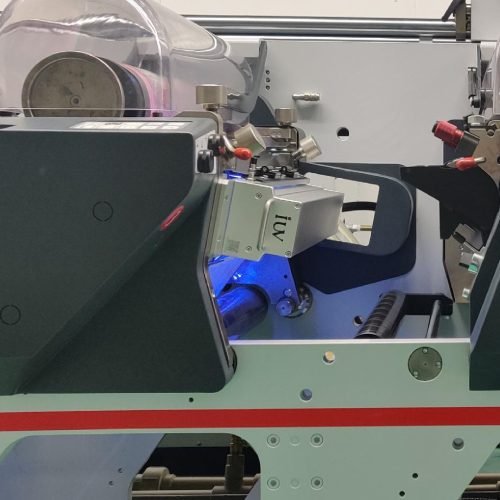
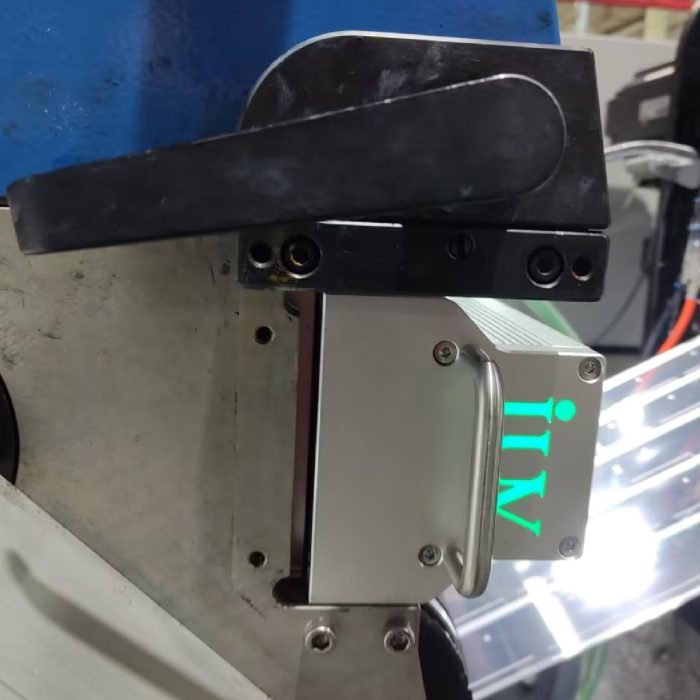
The printing industry is constantly evolving, driven by a dual imperative: enhanced performance and environmental responsibility. As businesses worldwide embrace more sustainable practices, the demand for eco-friendly solutions in print production has never been higher. This shift is particularly evident in the realm of curing technologies, where traditional methods are increasingly being replaced by innovative, energy-efficient alternatives. Among these, UV LED curing stands out as a transformative technology, offering significant environmental benefits alongside superior print quality and operational efficiency, especially within label, flexographic, offset, and narrow-web printing applications.
The Environmental Imperative in Modern Printing
Historically, printing processes relied on heat or mercury-vapor lamps for drying and curing inks, coatings, and varnishes. These methods were energy-intensive, generated substantial heat, and often involved volatile organic compounds (VOCs) that contributed to air pollution. As regulatory landscapes tighten and consumer awareness of environmental impact grows, printers are actively seeking ways to reduce their carbon footprint. This includes minimizing energy consumption, lowering emissions, and utilizing more sustainable materials. The pursuit of “green printing” is no longer a niche concern; it’s a strategic necessity for maintaining competitiveness and aligning with global sustainability goals.
Understanding UV LED Curing Technology
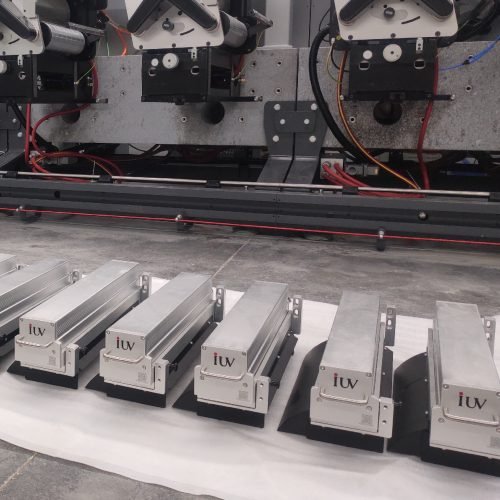
UV LED curing utilizes light-emitting diodes (LEDs) to emit ultraviolet (UV) light at specific wavelengths. When exposed to this UV light, specially formulated inks, coatings, and adhesives undergo a rapid photochemical reaction, transforming from a liquid to a solid state almost instantaneously. This process is known as curing or polymerization. Unlike traditional UV lamps, UV LEDs offer a highly focused and consistent output, generating minimal heat and operating with remarkable energy efficiency.
The key advantages of UV LED technology lie in its targeted spectrum of UV light. Different LED wavelengths can be precisely controlled to initiate the curing of various formulations, ensuring optimal performance. This precision translates into faster cure speeds, improved adhesion, and enhanced durability of the printed product, all while consuming significantly less energy compared to conventional methods.
Benefits of UV LED Curing for Sustainable Printing
The adoption of UV LED curing solutions presents a compelling case for environmentally conscious printing operations. One of the most significant benefits is the drastic reduction in energy consumption. UV LEDs are inherently more energy-efficient than mercury lamps, which require significant power to generate heat and UV light. This translates directly into lower electricity bills and a smaller carbon footprint for the printing facility.
Furthermore, UV LED curing systems produce very little heat. This means less demand on HVAC systems to cool the printing environment, further contributing to energy savings. The reduced heat output also allows for printing on a wider range of heat-sensitive substrates, including thin films and delicate papers, without compromising their integrity. This expands design possibilities and material choices, often enabling the use of lighter, more sustainable substrates.
Another critical environmental advantage is the reduction or elimination of VOCs. Many UV LED-curable inks and coatings are formulated without solvents, meaning they release little to no VOCs into the atmosphere during the curing process. This not only improves indoor air quality within the printing plant but also helps printers comply with increasingly stringent environmental regulations. The absence of solvents also means less odor and a safer working environment for employees.
UV LED Curing in Label Printing
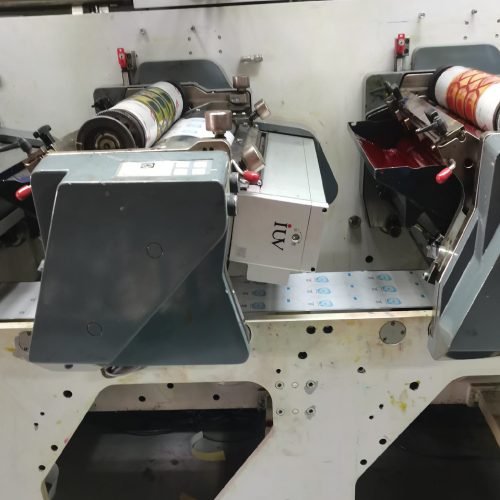
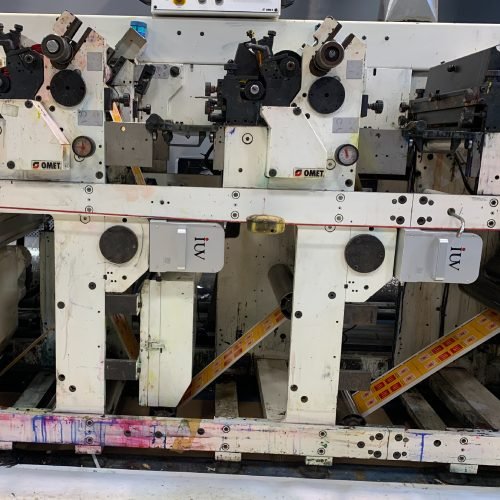
The narrow-web label printing sector has been an early adopter of UV LED curing technology. For label printers, speed, flexibility, and consistent quality are paramount. UV LED curing enables faster press speeds, allowing for higher throughput and increased productivity. The instant curing means no waiting time for drying, leading to streamlined production workflows and reduced work-in-progress inventory.
In label printing, where vibrant graphics and durable finishes are essential, UV LED systems ensure excellent ink adhesion and scratch resistance. This is crucial for product labels that are subjected to handling, transportation, and varying environmental conditions. The ability to cure on a wide array of substrates, from standard paper stocks to complex plastic films, makes UV LED an indispensable tool for label converters seeking to offer diverse and high-quality label solutions. The environmental benefits of reduced energy use and VOC emissions further solidify UV LED as the preferred curing technology in this competitive market.
Enhancing Flexographic Printing with UV LED
Flexographic printing, widely used for packaging and labels, also benefits immensely from UV LED curing. Flexo presses can achieve higher print speeds with UV LED systems, leading to greater efficiency. The consistent and precise UV output ensures reliable curing across the entire web, minimizing the risk of under-cured ink, which can lead to smudging, poor adhesion, and compromised print quality.
The environmental advantages are particularly significant for flexographic packaging applications. By eliminating solvent-based inks and enabling energy-efficient curing, UV LED technology helps packaging printers reduce their environmental impact. This aligns with the growing consumer demand for sustainable packaging solutions. Furthermore, the precise control offered by UV LEDs can improve ink laydown and achieve sharper details, enhancing the aesthetic appeal of printed packaging while adhering to sustainability principles.
Optimizing Offset Printing with UV LED
While traditionally associated with heatset or conventional UV curing, offset printing is also increasingly incorporating UV LED technology. For sheetfed and web offset printers, UV LED offers faster turnaround times due to the instant curing of inks and coatings. This eliminates the need for extensive drying areas and cooling equipment, saving valuable floor space and energy.
The ability to print on a wider range of substrates, including non-porous materials like plastics and foils, is another key advantage for offset printers utilizing UV LED. This opens up new market opportunities for high-value applications. The environmental benefits, such as reduced energy consumption and the elimination of VOCs, make UV LED a superior choice for offset printers aiming for greener production. The consistency of UV LED output also leads to improved print fidelity and predictability, reducing waste and enhancing overall print quality.
Narrow-Web Printing and the UV LED Advantage
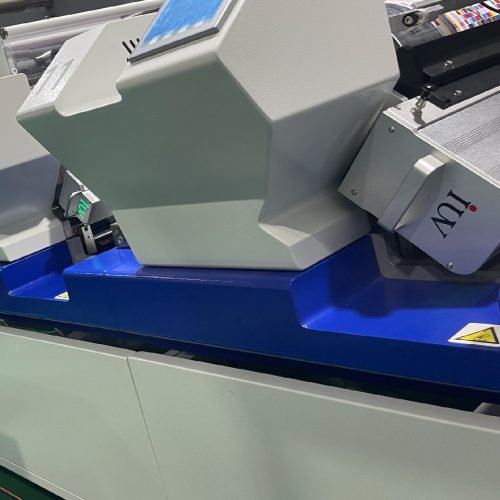
Narrow-web printing, a specialized segment encompassing labels and flexible packaging, thrives on efficiency and versatility. UV LED curing is a natural fit for this sector. The compact nature of UV LED curing systems allows for easy integration into existing narrow-web presses, often requiring minimal modification.
The precise control and instant cure capabilities of UV LEDs enable narrow-web printers to achieve high-quality results on a variety of materials, from thin films to pressure-sensitive labels, at high speeds. This translates into enhanced productivity and the ability to meet demanding turnaround times. Environmentally, the low energy consumption and VOC-free formulations associated with UV LED inks and coatings align perfectly with the sustainability goals of narrow-web converters and their end-users.
The Future is Sustainable: Embracing UV LED Solutions
The transition to UV LED curing is more than just an upgrade in technology; it represents a commitment to a more sustainable and efficient future for the printing industry. By embracing these eco-friendly solutions, printing companies can achieve significant operational cost savings through reduced energy consumption and lower waste. They can also enhance their environmental credentials, meeting regulatory requirements and satisfying the growing demand for green products from their customers.
As the technology continues to mature and ink formulations become even more advanced, the benefits of UV LED curing will only expand. For label, flexographic, offset, and narrow-web printers looking to stay ahead of the curve, investing in UV LED curing solutions is not just a smart business decision; it’s a vital step towards building a more sustainable and responsible printing operation for years to come.