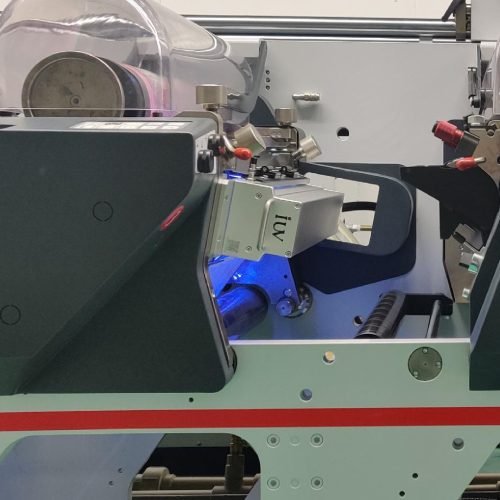
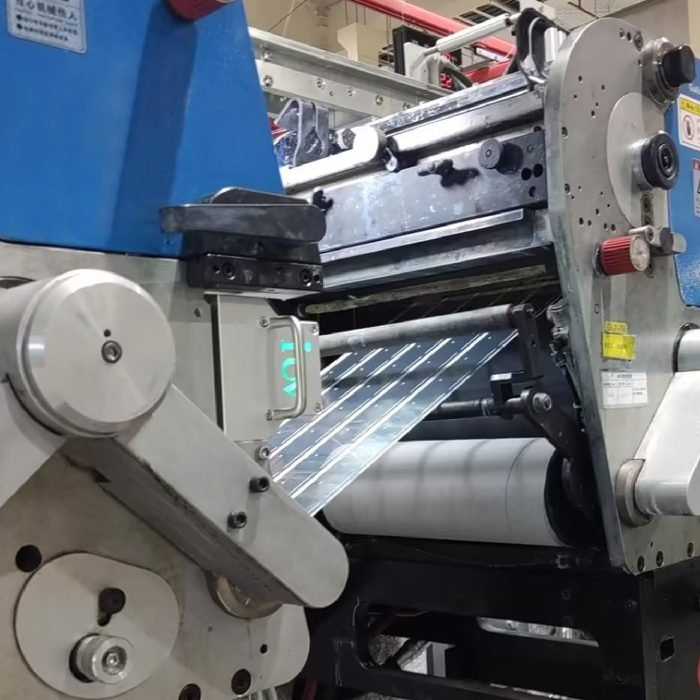
Choosing the right curing technology is fundamental in modern label printing. UV LED curing has emerged as a dominant force, offering significant advantages over traditional methods. For businesses navigating the complexities of both short-run and high-volume label production, tailored UV LED curing solutions are not just beneficial; they are often critical for efficiency, quality, and profitability.
The Evolving Landscape of Label Printing
The label printing industry is characterized by its diversity. From boutique brands requiring small, intricate runs to global enterprises demanding massive volumes, the needs are varied. This variability extends to the printing processes themselves. Flexography and offset lithography remain cornerstones, especially in narrow-web label printing. Each process presents unique demands on ink adhesion, surface properties, and drying times, all of which directly impact the effectiveness of the curing system.
Flexography, with its flexible printing plates and wide range of anilox rolls, is highly adaptable for various substrates, including films and foils. Offset printing, on the other hand, excels in achieving fine detail and consistent ink transfer, often favored for its cost-effectiveness in certain applications. Both methods, when integrated with UV curing, unlock new levels of performance and environmental compliance.
Understanding UV LED Curing Technology
Unlike conventional UV curing systems that use mercury lamps, UV LED systems employ light-emitting diodes. This shift is not merely a technological upgrade; it represents a fundamental change in how energy is delivered and utilized. UV LED lamps emit a narrow spectrum of UV light, precisely matched to the photoinitiators in UV-curable inks, coatings, and adhesives. This targeted approach means more efficient energy transfer, leading to faster and more thorough curing.
Key advantages of UV LED curing include its instant on/off capability, lower operating temperatures, and significantly longer lifespan compared to mercury lamps. The absence of heat also broadens the range of printable substrates, particularly heat-sensitive materials like thin films and certain plastics. This is a crucial consideration for label printers working with diverse material portfolios.
Tailoring Solutions for Small-Scale Label Runs
Small-scale label runs, often associated with specialty products, prototypes, or short-term promotional campaigns, demand flexibility and rapid turnaround. In this context, UV LED curing offers substantial benefits. Printers can switch between different ink types and colors with minimal downtime. The precise control offered by UV LED systems ensures consistent curing even with lower production speeds.
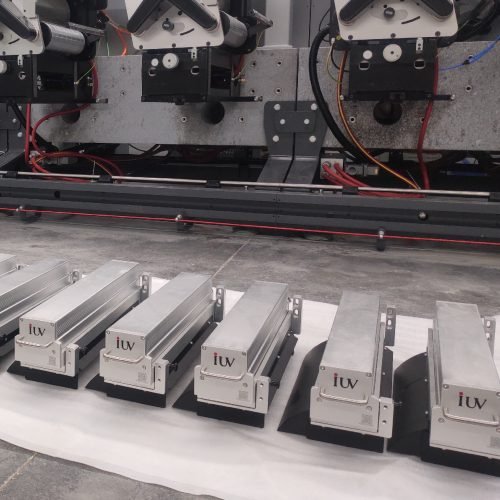
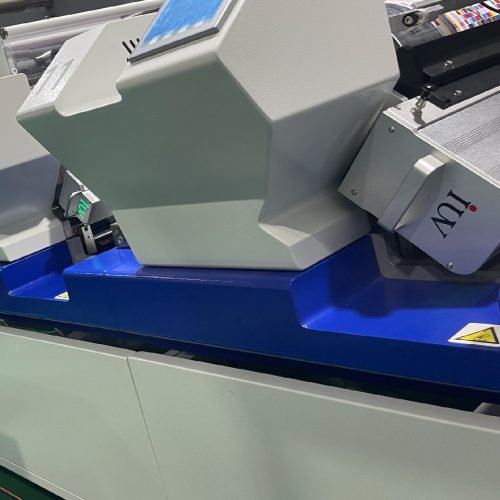
For short runs, a compact UV LED curing unit that can be easily integrated into existing narrow-web presses is often ideal. These systems minimize energy consumption when not in active use due to their instant on/off nature. Furthermore, the reduced heat output is advantageous when working with smaller batches, preventing excessive material warping or deformation that could occur with more intense thermal curing methods. The ability to achieve high-quality finishes, including spot varnishes and tactile effects, is preserved, ensuring that even small runs meet brand aesthetic requirements.
Optimizing for Large-Scale Label Production
Large-scale label runs, by definition, involve high speeds and consistent output. Here, the efficiency and durability of UV LED curing become paramount. The high intensity and precise wavelength of UV LED lamps enable extremely fast curing speeds, keeping pace with the fastest printing presses. This translates directly to increased throughput and reduced production bottlenecks.
In high-volume operations, the long operational life of UV LED lamps is a significant economic advantage. Reduced maintenance requirements and fewer lamp replacements contribute to lower overall operating costs. Furthermore, the energy efficiency of UV LED systems becomes a substantial factor in reducing electricity bills for continuous, high-demand production environments. The consistent energy output also ensures uniform curing across the entire web, batch after batch, maintaining the highest quality standards even at peak production rates.
Integrating UV LED Curing in Flexographic and Offset Printing
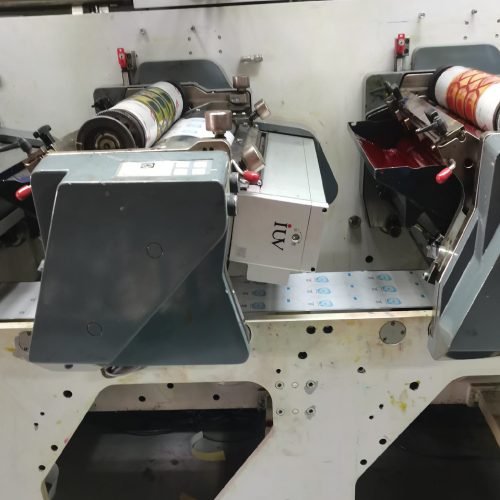
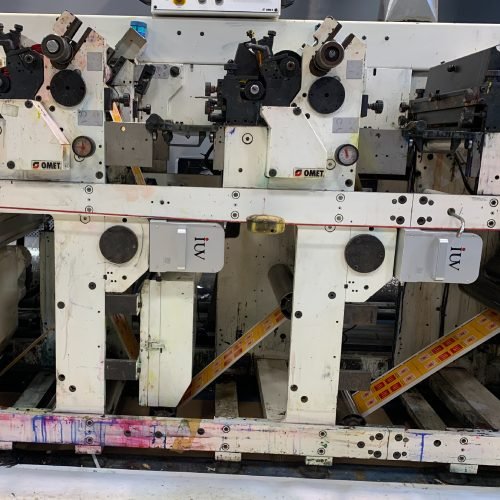
Flexographic Printing: In narrow-web flexo presses, UV LED curing is frequently installed between print stations or at the end of the press. For small runs, this allows for immediate handling of printed labels, facilitating faster finishing processes. For large runs, integrated UV LED systems ensure that inks are fully cured before the web is wound or sent to the next operation, preventing smudging and ensuring excellent rub and chemical resistance. The ability to cure specialized inks, such as opaque whites or metallic effects, is also enhanced by the specific wavelengths available in UV LED technology.
Offset Lithographic Printing: Narrow-web offset presses also benefit greatly from UV LED curing. The precise control over curing allows for the application of heavy ink laydowns without excessive ink set-off or transfer issues. This is particularly useful for vibrant colors and high-contrast graphics. For both small and large runs, UV LED curing ensures that inks achieve their full hardness and durability almost instantaneously, enabling immediate post-press operations like slitting, rewinding, or die-cutting without compromising the print quality. The reduced heat also protects the delicate offset plates from premature degradation.
Substrate Compatibility and Environmental Benefits
The lower operating temperatures of UV LED systems make them ideal for a wider array of substrates, including sensitive plastics, thin films, and papers that might distort or degrade under the heat of conventional UV or thermal drying. This opens up new possibilities for label design and application.
Beyond operational advantages, UV LED curing aligns with growing environmental mandates. UV-curable inks and coatings are typically 100% solids, meaning they contain no volatile organic compounds (VOCs). This eliminates the emission of harmful solvents into the atmosphere, contributing to a healthier workplace and a reduced environmental footprint. The energy efficiency of UV LED technology further enhances these green credentials.
Conclusion: A Strategic Investment in Curing Technology
For label printers, whether focused on agile small-batch production or high-volume output, investing in tailored UV LED curing solutions is a strategic imperative. The technology’s inherent efficiency, versatility, and environmental advantages directly address the dynamic demands of the modern market. By carefully selecting UV LED systems that align with specific press configurations, production volumes, and substrate requirements, businesses can achieve superior print quality, enhance operational efficiency, and secure a competitive edge.