In the world of modern printing, achieving vibrant colors and precise results is crucial, especially in sectors like label printing, narrow-web printing, and flexible packaging. With advancements in printing technology, the role of UV curing—particularly LED UV curing—has become increasingly important. One of the most significant benefits of LED UV curing is its ability to expand the color gamut, providing printers with a broader spectrum of colors and improving print quality. In this article, we’ll explore how LED UV curing enhances color reproduction in flexographic printing, focusing on its impact on the printing process, the benefits of LED technology, and its application in narrow-web printing.
Understanding Flexographic Printing and the Color Gamut Challenge
Flexographic printing is a widely used method for printing labels, packaging, and other flexible materials. It involves using flexible relief plates to transfer ink onto a substrate, and it’s known for its ability to print on a variety of substrates such as plastics, films, and papers. One of the challenges faced in flexographic printing is achieving accurate color reproduction, especially when printing on different materials with varying surface textures.
The color gamut refers to the range of colors that can be produced by a specific printing system. In traditional printing processes, including flexographic printing, expanding the color gamut can be a challenge due to limitations in ink formulations and the curing process. Conventional UV curing, while effective, sometimes struggles to produce a wider color range compared to more advanced technologies.
The Role of LED UV Curing in Expanding the Color Gamut
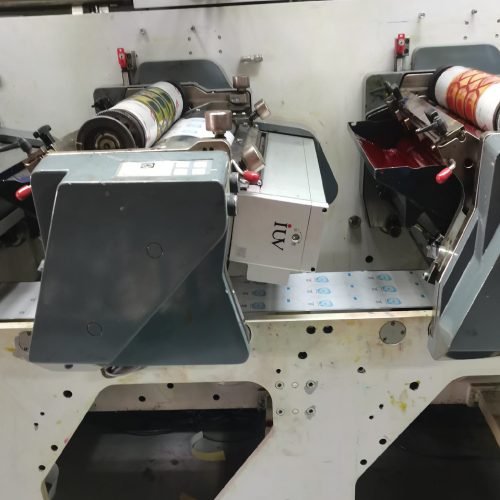
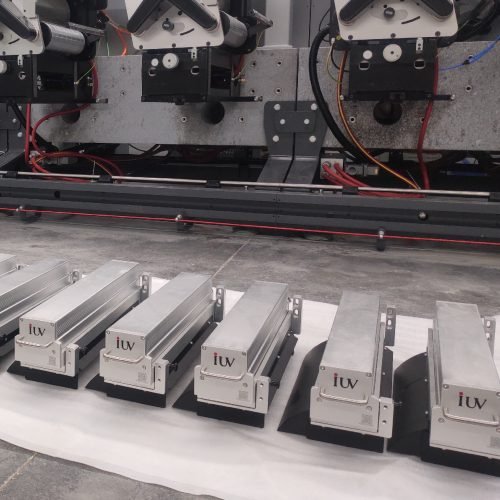
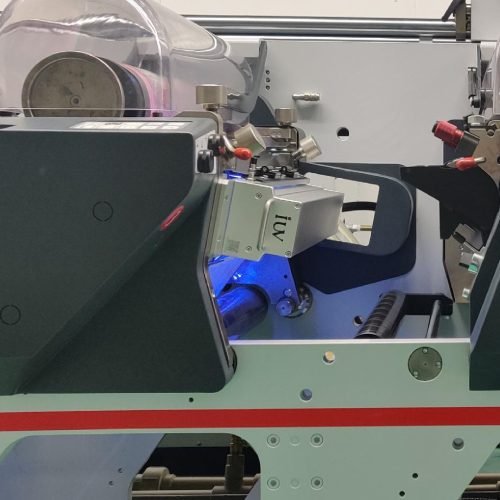
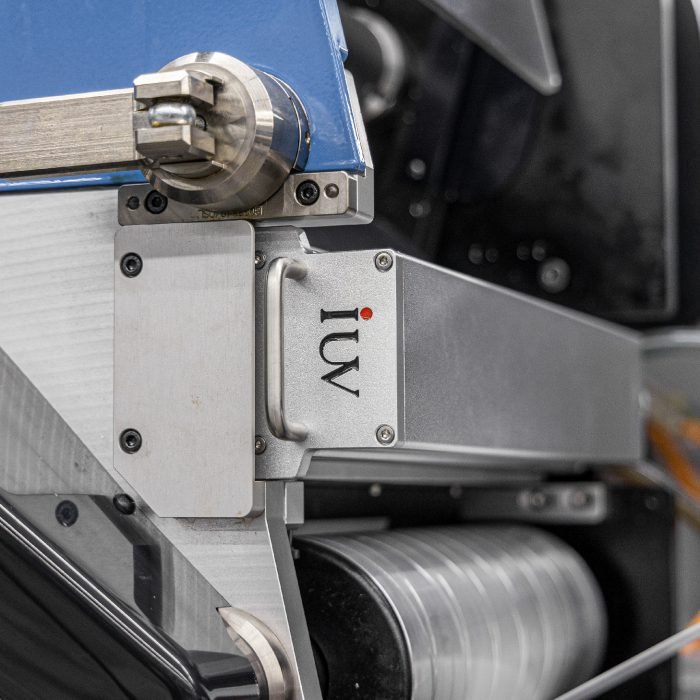
LED UV curing is a game-changer in flexographic printing because it offers several advantages over traditional UV curing systems. LED UV lamps emit UV light at specific wavelengths, typically in the 365 nm to 405 nm range, which is ideal for curing UV inks. Unlike traditional mercury-based UV lamps, LED lamps generate less heat, consume less energy, and have a longer lifespan.
The key benefit of LED UV curing in the context of color reproduction is that it enables the use of specialized UV inks. These inks are designed to cure quickly under LED UV light, which allows printers to achieve a more vibrant and consistent color output. The faster curing time prevents the inks from spreading or blurring, maintaining sharp details and color accuracy.
Additionally, LED UV curing allows for a more controlled curing environment. The ability to fine-tune curing times and light intensity helps printers achieve more consistent results across a wide variety of substrates. This level of control, combined with advanced ink technologies, enables a broader color gamut, which is essential for modern packaging and label printing.
Benefits of LED UV Curing in Narrow-Web Printing
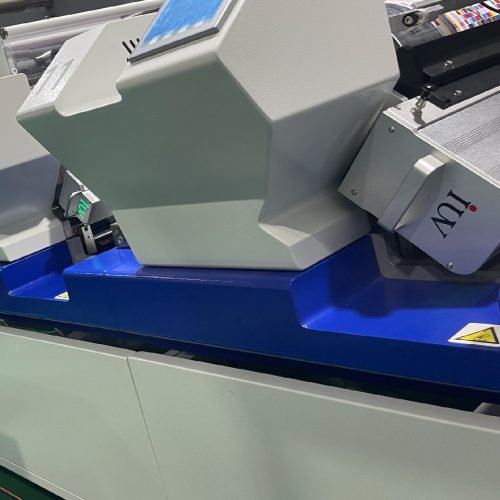
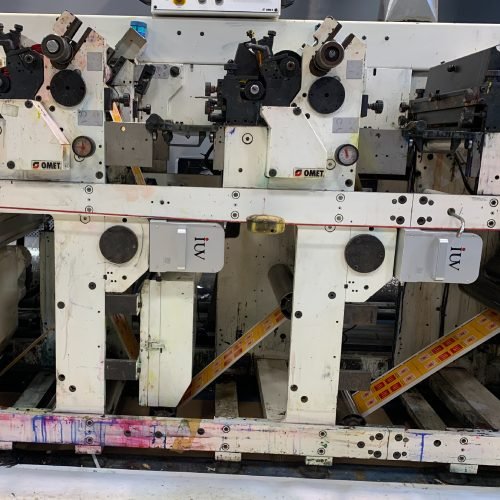
Narrow-web printing is a specialized form of flexographic printing often used for labels and packaging. This printing method requires precise color control to ensure that designs are replicated accurately on smaller print runs. LED UV curing enhances narrow-web printing by improving ink adhesion and curing efficiency, allowing for quicker job turnaround and more consistent quality.
One of the primary advantages of LED UV curing in narrow-web applications is the ability to print on a wider range of materials. Flexographic printers often deal with substrates such as films, foils, and synthetic papers, which can be difficult to print on using traditional curing methods. LED UV curing, with its low heat emission, prevents substrate distortion, enabling high-quality prints even on heat-sensitive materials.
Moreover, LED UV curing enables faster drying times, reducing the risk of color bleed and making it easier to work with high-density inks. This leads to better color accuracy, which is crucial in narrow-web printing where fine details and vibrant hues are essential.
The Technical Advantages of LED UV Curing
While the ability to expand the color gamut is a major benefit, LED UV curing also brings several technical advantages that directly affect the quality of flexographic printing.
1. Faster Curing Times
One of the most notable advantages of LED UV curing is its speed. LED lamps cure inks almost instantly, which accelerates the overall printing process. This is particularly important in high-speed flexographic printing, where time is a critical factor. Faster curing times allow printers to produce more prints in a shorter amount of time without sacrificing color quality.
2. Lower Energy Consumption
LED UV lamps are more energy-efficient than traditional mercury lamps. This means that printers can reduce their energy costs while still achieving superior curing results. The lower energy consumption also makes LED UV curing a more environmentally friendly option, as it reduces the carbon footprint of the printing process.
3. Enhanced Print Durability
LED UV curing creates a hard, durable surface on printed materials. The resulting prints are more resistant to scratching, fading, and abrasion. This increased durability is especially beneficial in applications such as labels, where products are often exposed to harsh conditions.
4. Improved Ink Performance
LED UV curing allows for the use of a wider variety of UV inks, including those with high pigmentation. These inks are designed to provide more vibrant and intense colors, helping to expand the color gamut. Additionally, the quick curing process helps preserve the integrity of the ink, ensuring that the final print is rich and precise.
The Future of LED UV Curing in Flexographic Printing
As the demand for high-quality labels and packaging continues to grow, the role of LED UV curing in flexographic printing is expected to become even more important. The technology’s ability to expand the color gamut is just one of the many reasons it’s gaining traction among printers.
Future developments in LED UV curing technology will likely focus on improving ink formulations, increasing curing speed, and further reducing energy consumption. As LED lamps continue to evolve, we can expect even more precise and efficient color management in flexographic printing.
Conclusion
LED UV curing is revolutionizing the flexographic printing industry by expanding the color gamut and improving print quality. By offering faster curing times, lower energy consumption, and the ability to print on a wider range of substrates, LED UV curing is helping printers meet the demands of modern label printing, narrow-web applications, and flexible packaging. As technology continues to advance, LED UV curing will remain a crucial tool for expanding the creative possibilities of flexographic printing, offering printers a pathway to achieve vibrant, high-quality prints with consistent results.
This concludes the article on how LED UV curing expands the color gamut in flexographic printing. The integration of LED technology offers an array of benefits that are transforming the industry, enhancing print quality, and enabling the production of more vibrant and accurate colors across a variety of substrates.