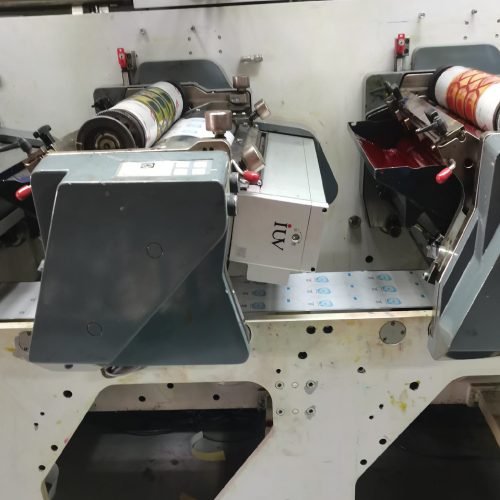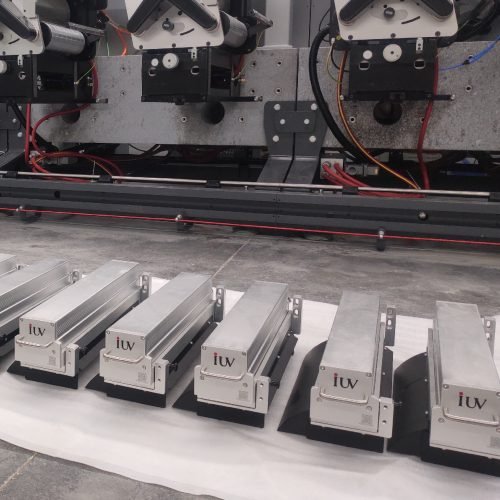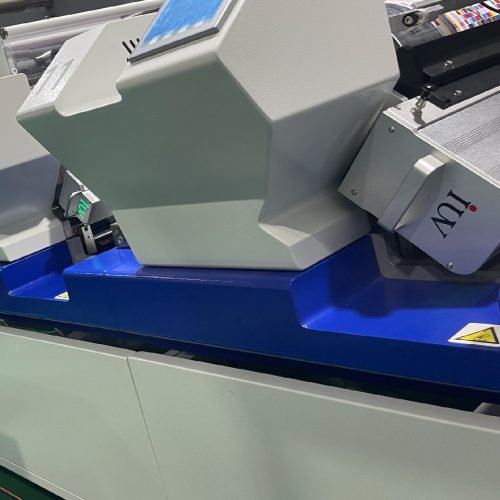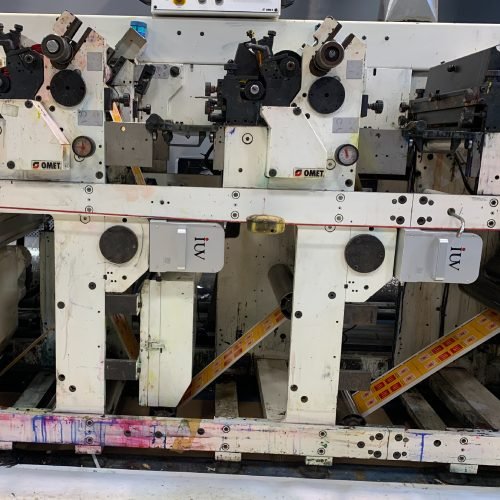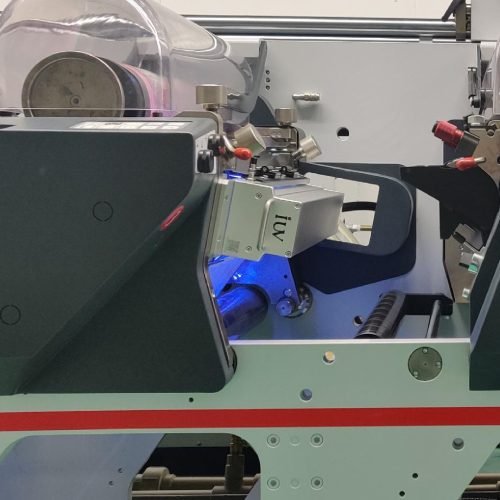
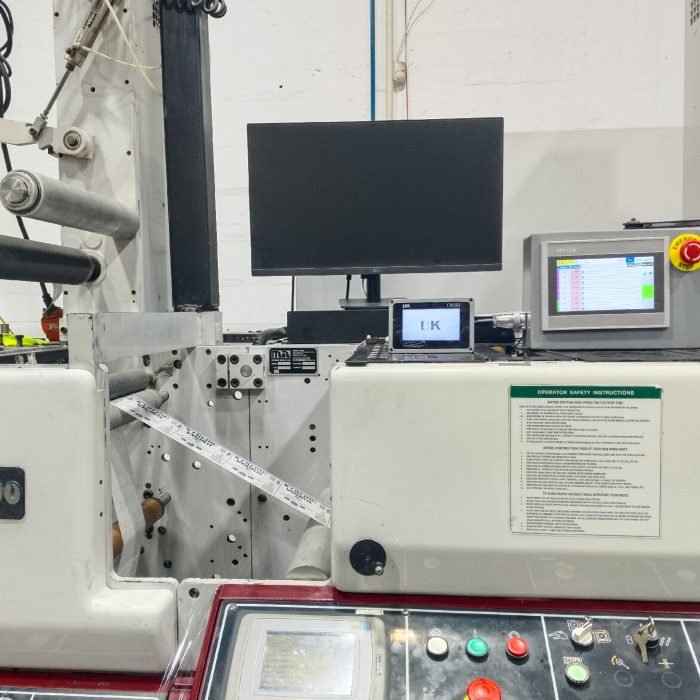
The landscape of narrow web printing is continually evolving, driven by demands for greater efficiency, enhanced quality, and more sustainable processes. Within this dynamic environment, UV curing technology has become indispensable, particularly for label and packaging applications. While traditional mercury-based UV lamps have long been the standard, the advent of LED UV curing presents a compelling alternative, especially for compact narrow web presses. This review delves into the practical benefits and technical considerations of implementing LED UV curing solutions in these specific printing environments.
The Evolution of UV Curing in Narrow Web Printing
For years, mercury vapor lamps have powered UV curing systems in narrow web presses. These lamps offer broad-spectrum UV output, capable of curing a wide range of inks and coatings. However, their energy consumption, heat generation, and limited lifespan present significant drawbacks. They require substantial warm-up and cool-down times, contribute to substrate degradation, and necessitate frequent replacement.
In contrast, LED UV curing technology harnesses Light Emitting Diodes to generate UV light. This offers a paradigm shift in how UV curing is approached. LEDs provide a narrow, specific wavelength of UV light, precisely tuned to the photoinitiators in UV-curable inks and coatings. This specificity, coupled with their inherent efficiency, forms the basis of their growing appeal in label and flexible packaging printing.
Advantages of LED UV Curing for Compact Narrow Web Presses
The compact nature of narrow web presses often means space is at a premium. Integrating any new technology requires careful consideration of its footprint and operational demands. LED UV systems excel in this regard.
- Energy Efficiency: LEDs are remarkably energy-efficient. They consume significantly less power than mercury lamps, translating directly into lower operating costs. This is particularly impactful for smaller print shops or those running multiple compact presses where cumulative energy savings can be substantial.
- Instant On/Off: Unlike mercury lamps that need time to reach optimal output, LEDs deliver full power the moment they are switched on. This immediacy allows for faster job setup and changeovers. It also means printers can power down curing units between print runs, further reducing energy consumption and extending LED lifespan.
- Reduced Heat Generation: LEDs emit UV light with very little heat in the infrared spectrum. This is a critical advantage when printing on heat-sensitive substrates, such as thin films or certain plastics commonly used in label applications. Reduced heat buildup means less risk of substrate deformation or delamination, leading to higher quality finished products and fewer material waste.
- Longer Lifespan: LED arrays boast an operational lifespan measured in tens of thousands of hours, vastly outperforming mercury lamps which typically last a few thousand hours. This longevity means less downtime for lamp replacements, reduced maintenance costs, and greater operational predictability.
- Precise Wavelength Control: The ability to select specific UV wavelengths for LED curing allows for highly efficient energy transfer to photoinitiators. This can lead to faster cure speeds and improved ink/coating performance. It also allows formulators to develop inks and coatings optimized for specific LED outputs, pushing the boundaries of print quality and functionality.
- Environmental Benefits: The reduced energy consumption and elimination of mercury (a hazardous substance found in traditional lamps) contribute to a more environmentally friendly printing process.
Technical Considerations for Implementation
While the benefits are clear, adopting LED UV curing on compact narrow web presses requires a thorough understanding of the technical nuances.
Ink and Coating Compatibility
The transition to LED UV curing necessitates the use of inks and coatings specifically formulated for LED wavelengths. These formulations are designed to cure efficiently under the narrow spectral output of LEDs (e.g., 365nm, 385nm, 395nm, 405nm). Traditional UV inks formulated for mercury lamps may not cure effectively under LED light, leading to poor adhesion, improper curing, and production issues. Printers must work closely with ink suppliers to ensure they have access to compatible chemistries.
Press Integration and Retrofitting
Integrating LED UV curing systems into existing compact narrow web presses, whether new installations or retrofits, requires careful planning. Considerations include:
- Physical Space: LED units are generally more compact than their mercury lamp counterparts, making them ideal for confined spaces on narrow web presses. However, ensuring adequate clearance for ventilation and maintenance is still crucial.
- Power Requirements: While LEDs are more energy-efficient overall, the power supply and electrical infrastructure for the press must be able to support the specific voltage and current requirements of the LED curing units.
- Cooling: Although LEDs produce less heat, effective cooling is still necessary to maintain optimal performance and longevity. Air-cooled or water-cooled systems are available, and the choice depends on the press configuration and the curing intensity required.
- Interlocking and Safety: As with any UV curing system, safety interlocks are paramount to prevent accidental exposure to UV radiation. These systems must be integrated seamlessly with the press controls.
Curing Performance and Substrate Handling
The performance of LED UV curing is highly dependent on the irradiance (intensity of UV light) and the total UV dose delivered to the ink or coating.
- Irradiance: This refers to the power density of the UV light at the substrate surface, typically measured in Watts per square centimeter (W/cm²). Higher irradiance generally leads to faster cure speeds.
- Dose: This is the total amount of UV energy delivered to the substrate over a given time, calculated by multiplying irradiance by exposure time. Achieving the correct dose is critical for complete and thorough curing.
- Wavelength Specificity: Different LED wavelengths are effective with different photoinitiator systems. Understanding the photoinitiator package in your inks and coatings is key to selecting the appropriate LED wavelength for optimal curing. For example, some inks might perform better under 365nm, while others are optimized for 395nm.
For compact narrow web presses, especially those handling delicate or heat-sensitive materials, the low heat output of LEDs is a significant advantage. This allows for higher processing speeds without compromising substrate integrity, which is a common limitation with high-intensity mercury lamps.
Applications in Label and Flexible Packaging
The benefits of LED UV curing align perfectly with the demands of the label and flexible packaging sectors, where narrow web presses are prevalent.
- Label Printing: For high-volume label production, the instant on/off capability of LEDs translates to faster turnaround times and reduced waste during setup. The ability to cure on a wider range of substrates, including plastics and films without excessive heat, is invaluable for producing durable and high-quality labels for various applications, from food and beverage to industrial goods.
- Shrink Sleeves and In-Mold Labels: These applications often involve printing on heat-sensitive film substrates. LED UV curing’s low heat profile is a game-changer, preventing distortion and ensuring the integrity of the printed graphic.
- Specialty Coatings and Effects: LED UV curing can enable the application of specialized coatings and effects, such as high-gloss finishes, textured effects, or tactile varnishes, with greater precision and efficiency.
The Future of Narrow Web Curing
The trend towards more sustainable, efficient, and high-quality printing processes strongly favors LED UV curing. As the technology matures and ink formulations continue to advance, the adoption rate on compact narrow web presses is expected to accelerate. Printers looking to reduce operating costs, enhance print quality, and minimize their environmental impact should seriously evaluate LED UV solutions. It represents not just an upgrade, but a strategic investment in the future of their narrow web printing operations.
By carefully considering the technical aspects and working with knowledgeable partners, print providers can successfully leverage LED UV curing to unlock new levels of performance and profitability on their compact narrow web presses.