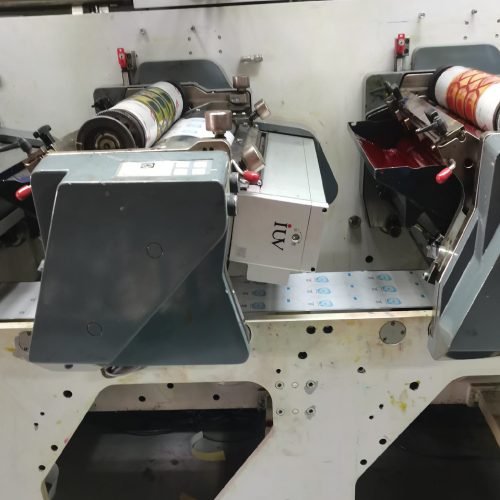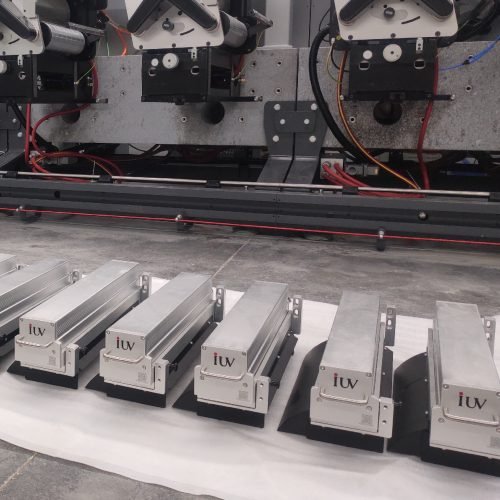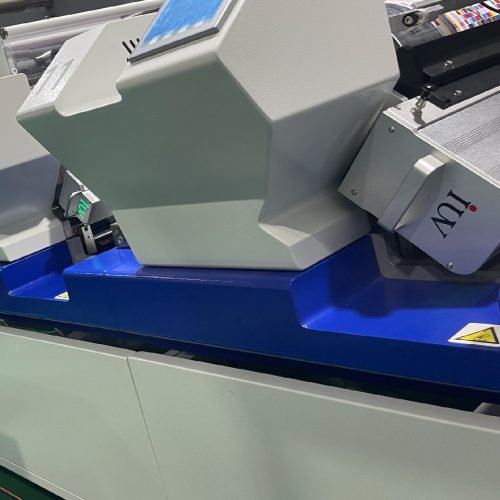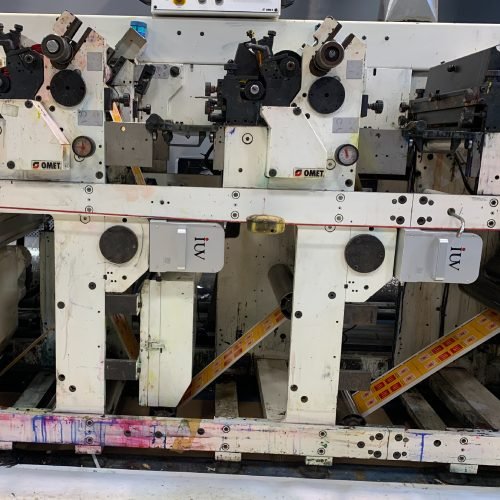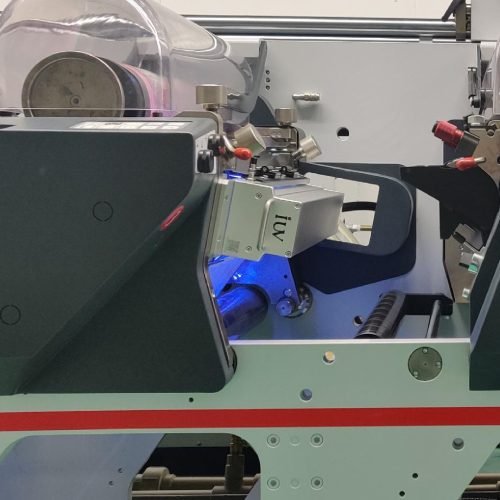
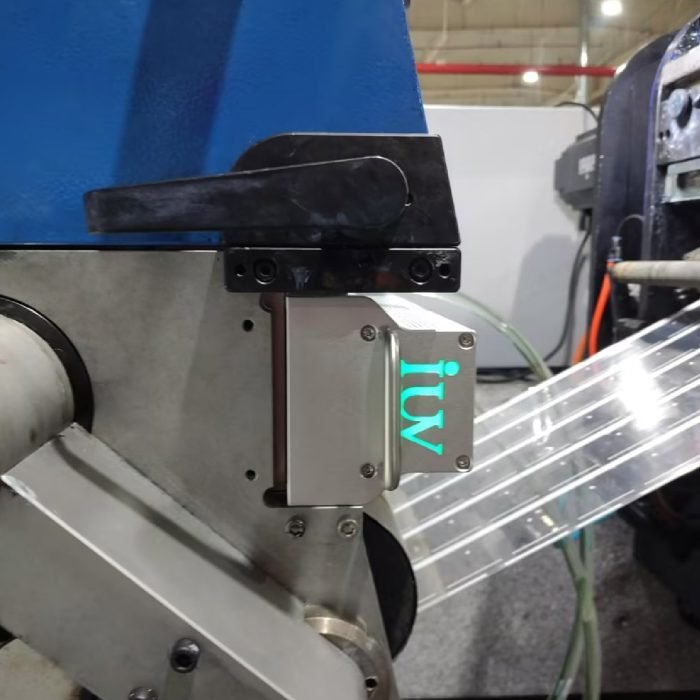
The shift toward sustainable manufacturing practices has become a priority across the printing industry. LED curing systems offer a transformative solution for businesses seeking to reduce their environmental footprint while maintaining high-quality output. This technology aligns with the demands of label, flexographic, offset, and narrow web printing sectors, providing specific ecological benefits that traditional curing methods cannot match.
Energy Efficiency in Modern Printing Operations
LED UV curing consumes up to 70% less energy than conventional mercury-vapor lamps. Unlike traditional systems that require continuous power to maintain operational temperatures, LED units generate instant, directional light without warm-up cycles. This characteristic proves particularly valuable in narrow web printing environments where equipment frequently starts and stops during job changes.
The focused wavelength output of LED lamps (typically 365-405 nm) ensures optimal energy utilization. Printers using UV-curable inks for label production report complete ink polymerization with 30-50% less power consumption compared to thermal curing methods. This efficiency extends to facility cooling systems, as LED units emit minimal infrared radiation, reducing HVAC workload.
Eliminating Hazardous Materials from Production
Mercury-based UV lamps pose significant disposal challenges, containing toxic materials requiring specialized recycling processes. LED curing arrays contain no hazardous substances, simplifying end-of-life equipment management. This advantage becomes critical for flexographic printers operating under strict waste management regulations.
Traditional solvent-based inks release volatile organic compounds (VOCs) during curing, necessitating complex air filtration systems. LED-curable formulations achieve 95-100% solid content, virtually eliminating VOC emissions. Offset printers transitioning to UV-LED systems document measurable improvements in workplace air quality and reduced regulatory compliance costs.
Waste Reduction Through Precision Curing
Immediate on/off capability of LED systems prevents substrate overheating, particularly beneficial for heat-sensitive materials in label printing. This precise control reduces material warping and ink bleeding, decreasing rejection rates by up to 18% according to industry case studies.
The directional nature of LED UV light enhances ink adhesion on difficult substrates like polypropylene and metallic films. Narrow web converters report 22% less ink waste through optimized curing parameters, as the technology prevents over-polymerization that can cause brittleness in finished products.
Extended Equipment Longevity and Reduced Maintenance
LED curing modules maintain consistent output intensity for 20,000-30,000 operational hours, compared to 1,000-2,000 hours for conventional UV lamps. This durability reduces replacement frequency and associated production downtime. The solid-state construction resists vibration damage – a crucial advantage for rotary presses in flexographic applications.
Traditional UV systems require regular reflector cleaning and lamp rotation to maintain curing performance. LED units eliminate these maintenance tasks, allowing printing staff to focus on core production activities. Offset printers using LED technology report 40% fewer maintenance-related workflow interruptions.
Compatibility with Sustainable Substrates
The growing demand for eco-friendly packaging materials aligns perfectly with LED curing capabilities. The technology effectively processes bio-based substrates and recycled papers that often challenge conventional drying systems. Label converters utilizing LED UV report successful adhesion on compostable films that previously required solvent-based adhesives.
Low-heat output characteristics enable printing on thin gauge materials without distortion. Narrow web operations using LED systems achieve higher yields on lightweight recyclable packaging stocks, supporting circular economy initiatives in the retail sector.
Regulatory Advantages and Certification Support
LED curing systems help printers meet increasingly stringent environmental regulations. The technology contributes points toward LEED certification and complies with international directives restricting hazardous substances in manufacturing. European flexographic printers have successfully used LED adoption to meet EU Ecolabel requirements for printed products.
Energy consumption documentation from LED systems simplifies carbon reporting processes. Many units provide real-time power usage data that integrates with environmental management software, particularly valuable for offset printers supplying regulated industries like pharmaceuticals and food packaging.
Operational Synergies with Digital Workflows
LED curing’s compatibility with variable data printing supports sustainable just-in-time production models. The instant curing capability enables efficient short runs with minimal make-ready waste – a key advantage for label printers serving craft beverage and cosmetic markets.
Press operators achieve faster job changeovers through preset curing profiles, reducing energy waste between production runs. Narrow web converters utilizing hybrid printing systems report 15% reductions in annual energy costs by combining LED curing with digital inkjet technologies.
The transition to LED UV curing represents both an environmental imperative and operational upgrade for modern printing businesses. As substrate innovations and regulatory pressures continue to evolve, this technology provides the flexibility to meet sustainability targets without compromising print quality or production efficiency. Forward-thinking operations across all printing sectors now recognize LED systems as essential components in their ecological transformation strategies.