Revolutionizing Label Printing Through UV Curing Technology
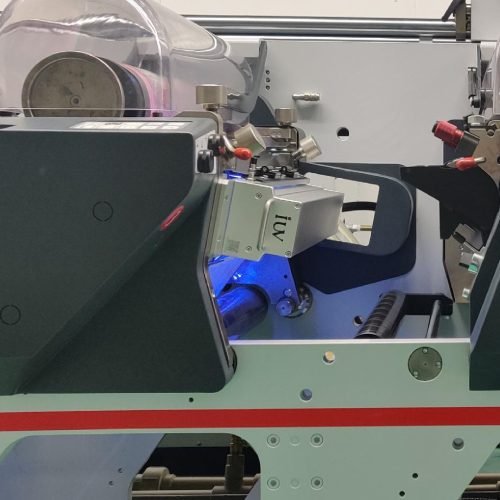
Label printing demands precision, speed, and adaptability. Traditional methods often struggle with drying times and material compatibility. Enter UV curing systems, which use LED-powered ultraviolet light to instantly cure inks and coatings. This eliminates drying delays, enabling high-speed production without compromising detail. UV-curable inks adhere to diverse substrates—synthetic films, metallic surfaces, and heat-sensitive materials—expanding design possibilities. For industries like pharmaceuticals and cosmetics, this means durable, smudge-proof labels that withstand harsh environments. Automation integrates seamlessly with UV systems, allowing real-time adjustments for consistent quality across large batches.
Flexographic Printing Enters the Era of Smart Automation
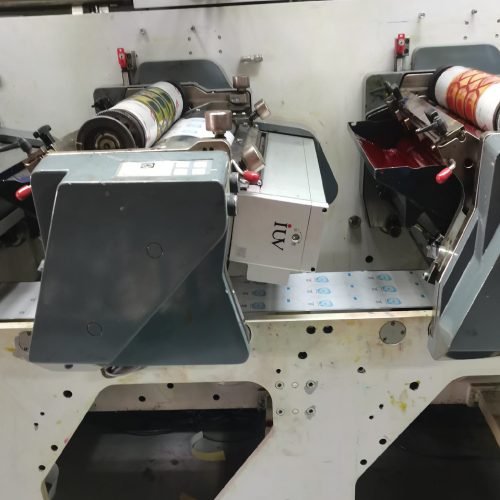
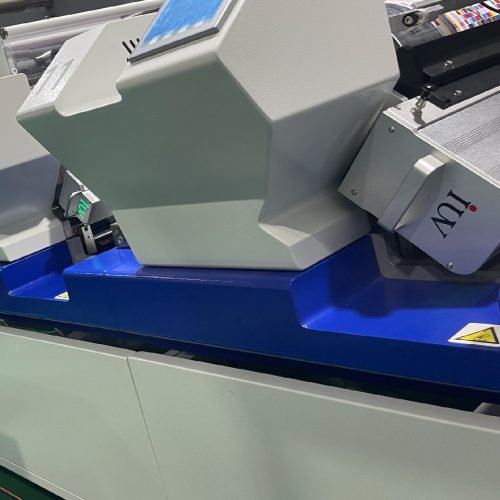
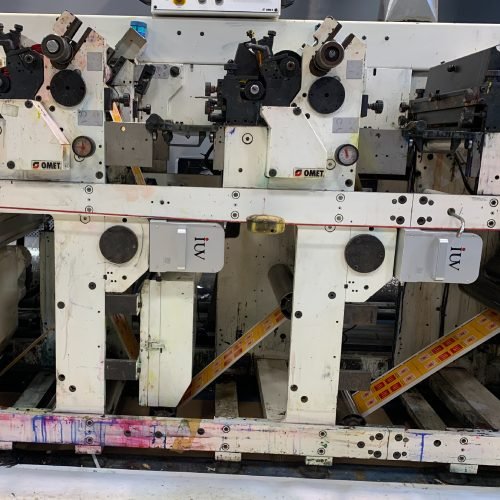
Flexo printing, known for versatility in packaging and corrugated materials, is undergoing a transformation. UV curing systems enhance this process by reducing energy consumption and waste. Unlike solvent-based inks, UV-curable alternatives emit negligible volatile organic compounds (VOCs), aligning with global sustainability mandates. Automated print units equipped with UV LEDs enable rapid job changeovers, minimizing downtime. Sensors monitor ink viscosity and curing intensity, ensuring optimal results even on uneven surfaces. The result? Sharper graphics, faster production cycles, and reduced environmental impact—a critical advantage for brands prioritizing eco-conscious packaging.
Offset Printing Meets Modern Efficiency
Offset printing’s reputation for high-quality imagery remains unmatched, but traditional methods face challenges in speed and adaptability. UV curing bridges this gap. By replacing conventional drying ovens with UV LED modules, printers achieve instant curing, even on non-porous substrates like plastics and foils. This reduces energy use by up to 70% compared to thermal drying. Automated color management systems paired with UV technology maintain color consistency across long runs, critical for premium marketing materials and packaging. Additionally, UV-cured prints resist scratching and fading, extending the lifespan of products such as brochures, cartons, and specialty publications.
Narrow Web Printing: Where Precision Meets Speed
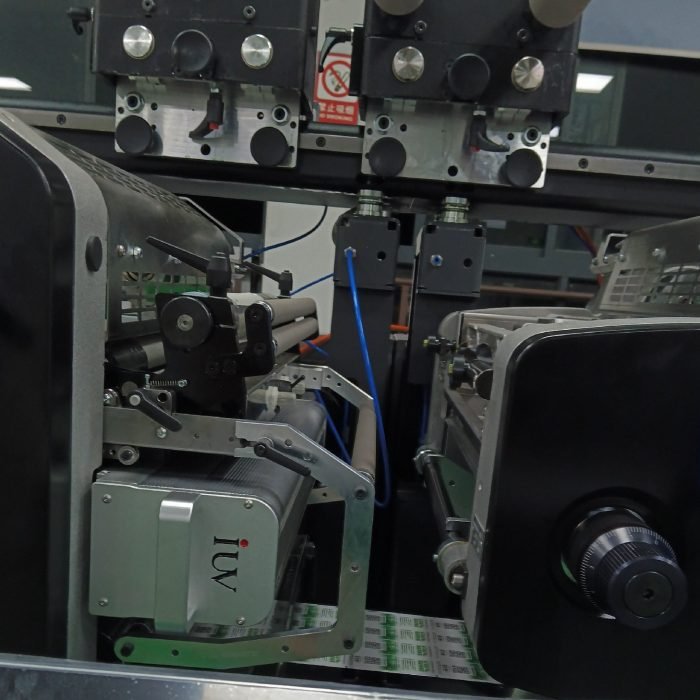
Narrow web printing thrives in applications requiring intricate designs on smaller labels, tags, and flexible packaging. UV curing systems amplify these capabilities by enabling ultra-fine detail reproduction. The instant curing process prevents ink spreading, ensuring crisp text and vibrant colors. Automated web tension control and registration systems work in tandem with UV units to handle delicate materials like thin films and textiles. For sectors like electronics and automotive, this means durable, high-resolution labels that endure abrasion and chemical exposure. Smart sensors detect substrate variations, automatically adjusting curing parameters to maintain quality without manual intervention.
UV Curing: The Backbone of Next-Gen Printing
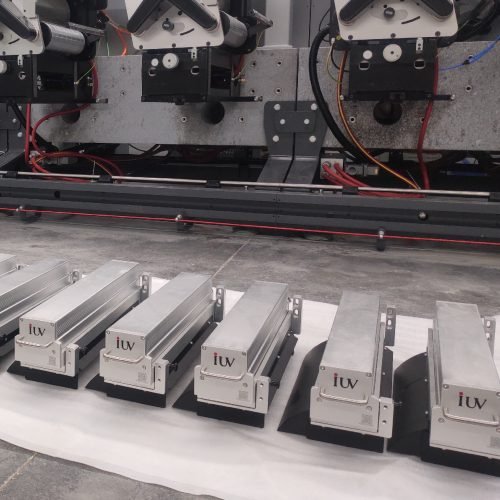
At the core of this evolution is UV curing technology. LED UV systems offer longer lifespans and lower heat output than traditional mercury lamps, reducing maintenance and substrate warping. Their energy efficiency supports round-the-clock production while meeting stringent carbon footprint targets. Advanced formulations of UV inks and coatings—now including hybrid and water-based options—cater to diverse regulatory and performance needs. Integration with IoT-enabled platforms allows remote monitoring of curing performance, predictive maintenance, and data-driven optimization.
Sustainability and Cost Efficiency in Focus
The shift to UV curing isn’t just about speed—it’s a strategic move toward sustainable operations. By slashing energy consumption and eliminating VOC emissions, printers reduce operational costs and regulatory risks. UV systems also minimize material waste; instant curing prevents defects like offsetting or smudging, ensuring higher yield rates. For businesses, this translates to faster ROI and enhanced competitiveness in markets demanding eco-friendly practices.
Adapting to Diverse Substrates and Applications
From biodegradable films to rigid plastics, modern printing serves an array of materials. UV curing’s adaptability ensures reliable performance across this spectrum. In-mold labeling, for instance, benefits from UV inks that bond seamlessly with polymers during manufacturing. Similarly, heat-sensitive materials like shrink sleeves avoid distortion thanks to the cool operation of LED UV systems. As brands explore unconventional packaging shapes and textures, UV technology provides the flexibility to innovate without compromising efficiency.
The Road Ahead: Integration and Innovation
Future advancements will focus on deeper integration between UV curing and AI-driven automation. Expect self-adjusting systems that predict substrate behavior and environmental factors to optimize curing in real time. Nano-engineered inks could unlock new functional properties, such as conductive prints for smart packaging. Collaboration between material scientists and equipment manufacturers will further push the boundaries of what’s printable—and at what speed.
The printing industry’s trajectory is clear: smarter automation, sustainable practices, and uncompromised quality. UV curing systems sit at the intersection of these priorities, offering a blueprint for growth in an era where efficiency and environmental responsibility are non-negotiable. Businesses investing in this technology today position themselves as leaders in tomorrow’s market.