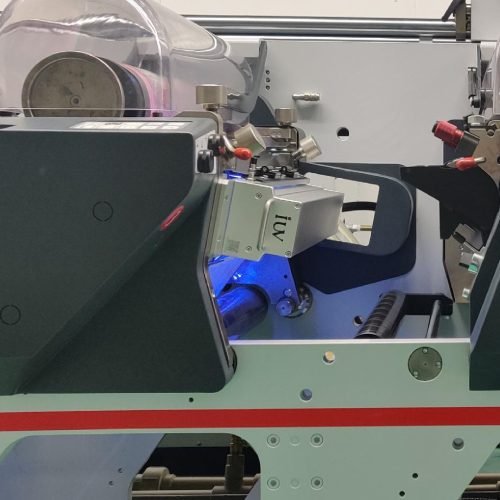
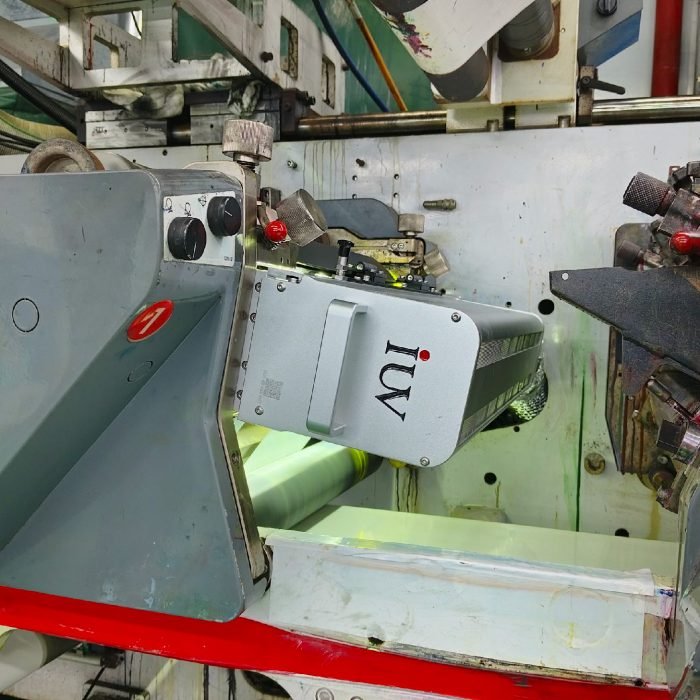
In today’s environmentally conscious market, print shops are under increasing pressure to adopt sustainable practices. This shift isn’t just about corporate social responsibility; it’s becoming a competitive advantage. One of the most impactful ways to achieve this is by upgrading to energy-saving LED UV curing systems. These advanced technologies offer significant environmental benefits, particularly for narrow web, flexographic, and offset printing applications.
The Environmental Imperative for Print Shops
The printing industry, while vital, has historically had a notable environmental footprint. Energy consumption, VOC emissions, and waste generation are key areas of concern. As regulations tighten and customer demand for eco-friendly products grows, print businesses must find innovative solutions. Energy efficiency stands out as a primary target for improvement, directly impacting both operational costs and the planet.
Understanding UV Curing Technology
Traditional UV curing methods often rely on mercury vapor lamps. While effective, these lamps consume substantial energy, generate considerable heat, and have a limited lifespan. Their disposal also presents environmental challenges due to mercury content. UV LED curing systems represent a paradigm shift, utilizing light-emitting diodes (LEDs) to produce UV light. This technology offers a more focused and efficient way to cure inks, coatings, and adhesives.
The Energy-Saving Advantages of LED UV
The core of LED UV’s sustainability advantage lies in its dramatic energy efficiency. Compared to conventional UV lamps, LED systems can consume up to 70% less energy. This reduction is primarily due to the targeted nature of LED light. Instead of emitting broad spectrum UV light, LEDs produce specific wavelengths required for curing. This means less wasted energy and a more precise application of curing power.
Furthermore, LEDs have a significantly longer operational lifespan, often exceeding 20,000 hours. This contrasts sharply with mercury lamps, which may need replacement after just a few thousand hours. The extended life reduces waste associated with discarded lamps and minimizes the frequency of equipment downtime for replacements.
Impact on Narrow Web Printing
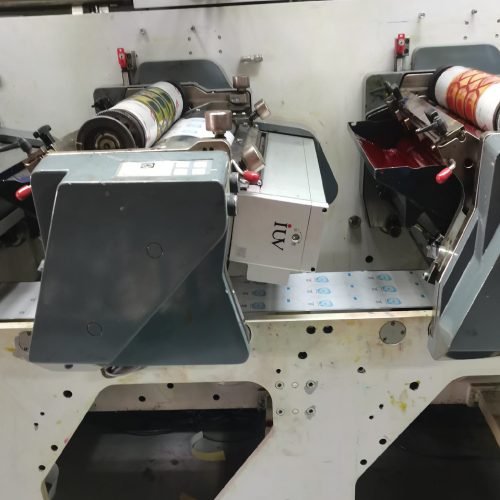
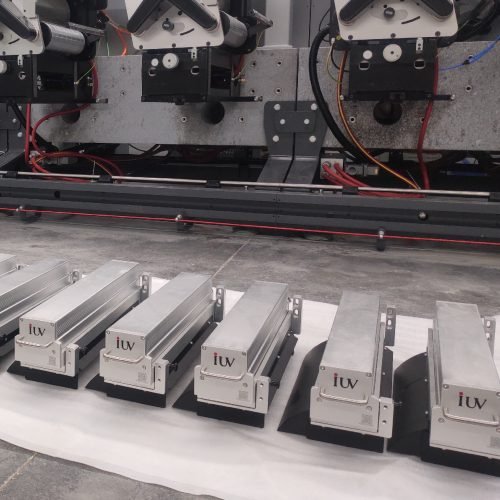
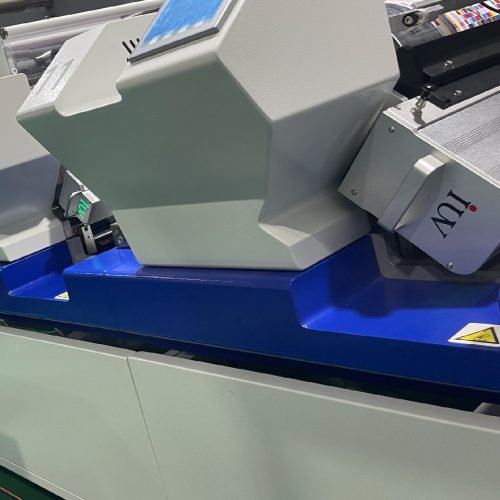
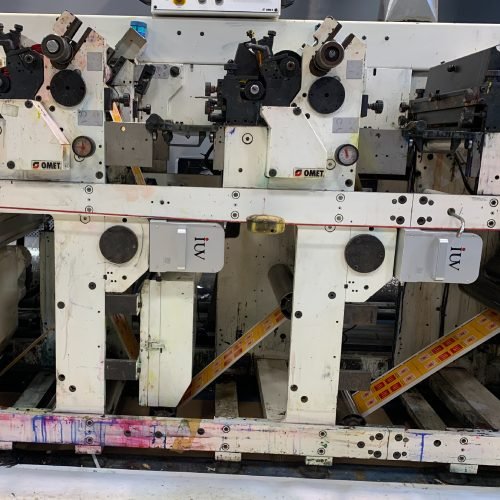
Narrow web printing, commonly used for labels and packaging, is a sector where LED UV technology shines. The compact nature of narrow web presses often means space is at a premium. LED UV systems are typically smaller and require less ventilation than traditional UV systems, making them ideal for integration into existing narrow web lines.
For label printers, faster cure speeds enabled by LED UV mean higher throughput. This increased efficiency translates directly to reduced energy consumption per label produced. The ability to cure at lower temperatures also benefits sensitive substrates often used in label applications, preventing warping or damage and reducing waste.
Flexographic Printing and Sustainability
Flexography, a versatile printing process used for a wide range of packaging and labels, benefits greatly from LED UV adoption. In flexo, ink transfer is highly dependent on precise curing. LED UV’s consistent and controllable output ensures rapid, thorough curing of flexo inks. This consistency reduces the likelihood of uncured ink issues, which can lead to product defects and waste.
The reduced heat output from LED UV systems is also a boon for flexographic printing. Many flexible packaging materials are heat-sensitive. Lower operating temperatures protect these substrates, maintaining their integrity and recyclability. This is crucial as the packaging industry moves towards more sustainable materials.
Offset Printing: A Greener Future
While historically associated with different curing methods, offset printing is increasingly adopting UV technology, and LED UV is at the forefront of this evolution. For sheetfed and web offset applications, LED UV curing offers faster job turnaround times due to instant curing. This efficiency means presses can run at higher speeds with less waiting time, improving overall energy productivity.
The ability of LED UV to cure on a wider array of substrates, including non-porous materials like plastics and foils, expands the creative possibilities for offset printers. This versatility allows businesses to offer more sustainable printing options to their clients, using materials that may be more recyclable or durable.
VOC Reduction and Air Quality
Volatile Organic Compounds (VOCs) are a significant environmental concern in the printing industry. Traditional solvent-based inks release VOCs into the atmosphere during the drying and curing process. UV-curable inks, especially when cured with LED UV, contain little to no solvents. This means virtually zero VOC emissions during curing.
By eliminating VOCs, LED UV systems contribute to a healthier working environment for print shop staff and a cleaner external environment. This aligns with increasingly stringent air quality regulations and corporate sustainability goals.
Enhanced Productivity and Reduced Waste
Beyond direct energy savings, LED UV systems contribute to sustainability through enhanced productivity and waste reduction. The rapid, instant curing allows for immediate post-press processing, such as slitting or rewinding, without ink smearing. This minimizes the need for re-runs and reduces material waste.
The precise control offered by LED UV systems also leads to higher print quality. Consistent curing ensures vibrant colors and sharp details, reducing the number of imperfect prints that are discarded. This improved quality control is a direct pathway to less waste.
Lower Heat, Better Substrates, Less Waste
The minimal heat generated by LED UV lamps is a critical factor for sustainability. Conventional UV lamps produce substantial infrared heat, which can affect the temperature of the substrate and the printing environment. This often necessitates extensive cooling systems, adding to energy consumption and complexity.
LED UV systems operate at much lower temperatures. This allows printers to work with a wider variety of heat-sensitive substrates, including thin films, plastics, and some paper stocks, without causing them to deform or degrade. Preserving the integrity of these substrates means less material is wasted due to printing-induced damage. It also opens doors to using more sustainable substrate options that might otherwise be unsuitable for high-heat curing processes.
Investment and Long-Term Savings
While the initial investment in an LED UV curing system might seem higher than traditional options, the long-term savings are substantial. Reduced energy bills, lower maintenance costs due to longer lamp life, and decreased waste disposal fees all contribute to a strong return on investment. Furthermore, the enhanced productivity and ability to win environmentally conscious clients can provide a significant competitive edge.
The Future of Sustainable Printing is Here
Adopting energy-saving LED UV curing systems is more than just an upgrade; it’s a strategic move towards a more sustainable and profitable future for print shops. By reducing energy consumption, minimizing VOC emissions, and decreasing waste, these systems empower businesses to operate more responsibly and competitively. For narrow web, flexographic, and offset printing operations looking to enhance their environmental performance, LED UV technology offers a clear and effective solution.