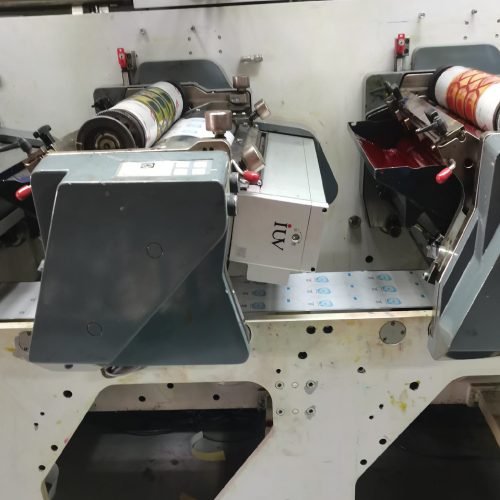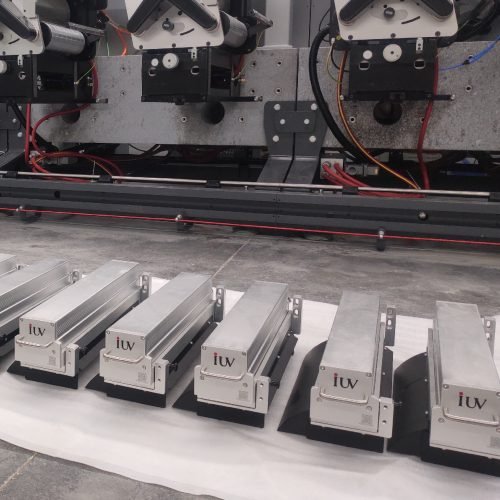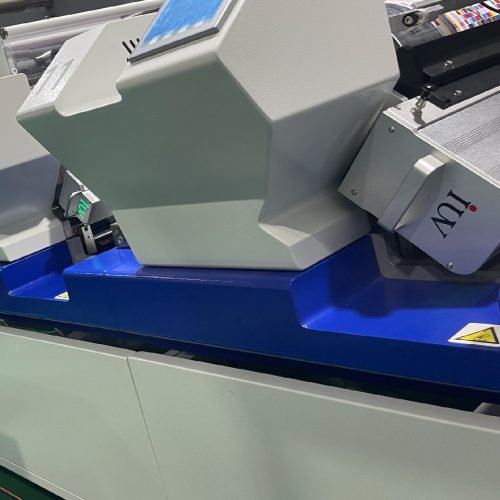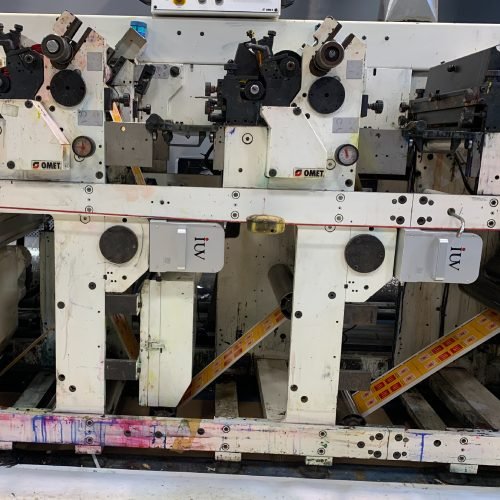
When working with LED curing systems in printing, occasional hiccups can disrupt workflow. Let’s break down practical solutions for frequent challenges across label, flexo, offset, and narrow-web applications without drowning in technical jargon.
Incomplete Curing Sticky surfaces or smudged prints often trace back to three culprits:
- Dosage mismatch: LED intensity (measured in W/cm²) doesn’t align with ink chemistry. For UV flexo inks, 395nm wavelength systems require 800-1200 mJ/cm² energy density.
- Oxygen inhibition: Thin ink layers cure faster but struggle with surface hardening. Nitrogen purging systems reduce oxygen contact, improving cure efficiency by 18-22%.
- Substrate interference: Metallic label stocks reflect UV light – increase exposure time by 15% or switch to dual-wave (365+395nm) LED arrays.
Adhesion Failures When inks peel during die-cutting or laminating:
- Check surface tension – substrates below 38 dynes/cm cause headaches. Corona treaters boost polyolefin films to 42-46 dynes/cm.
- Adjust photoinitiator ratios – 4-6% TPO-L works for most acrylic-based coatings.
- Test cure speed against conveyor settings – mismatch creates under-polymerized layers. A simple crosshatch tape test reveals truth.
Web Wrinkling & Shrinkage Narrow-web operators hate cockled edges. LED heat management matters more than people think:
- Keep substrate surface temp below 50°C – IR thermometers are your friends
- Position chill rolls within 1.2m of cure zone
- For heat-sensitive films (PE, BOPP), use pulsed curing mode – 30ms on/70ms off cycles reduce thermal load by 40%
Color Shift Mysteries That magenta turning burgundy? LED spectral output plays tricks.
- Verify peak wavelength alignment – 385nm LEDs vs. 395nm-optimized inks = 12% color deviation
- Install UV radiometers – intensity drops below 80% specs demand bulb replacement
- White inks need diffuser plates – uneven exposure creates yellowing at 0.3mm thickness
Dot Gain Surprises Flexo printers battling expanding halftones:
- Reduce ink viscosity to 22-26 seconds (#2 Zahn cup)
- Pair with anilox rolls below 4.0 BCM for process colors
- Shorten cure delay – LED exposure within 0.8 seconds prevents dot spread
Maintenance Blind Spots 90% of premature LED failures stem from:
- Dust accumulation on lenses – weekly IPA wipes maintain 97% output
- Cooling fan neglect – airflow below 2.5m/s hikes failure rates 3x
- Power supply fluctuations – ±5% voltage variance cuts lifespan by half
Energy Savings vs. Performance The LED efficiency paradox:
- Dimming to 70% saves power but extends cure time 40%
- Multi-zone control systems allow selective intensity adjustments
- Retrofit kits for mercury hybrid systems cut energy use 60% without sacrificing throughput
Material Compatibility Checks Not all substrates play nice:
- Thermal expansion rates matter – PET shrinks 0.3% at 60°C vs. PVC’s 1.2%
- UV absorbers in clear films (think OPP labels) require 25% higher irradiance
- Recycled papers demand adjustable peak wavelengths – 10nm shifts overcome lignin interference
Troubleshooting Flow Next time presses act up:
- Measure irradiance with handheld meters – numbers don’t lie
- Audit environmental factors – 30% RH vs. 60% RH changes cure speed
- Document ink batch numbers – formulation tweaks haunt printers
- Simulate production runs with test strips before full commitment
Seasoned operators keep a log – track substrate types, ink codes, and cure settings. Patterns emerge. Maybe that adhesion problem only happens on Tuesdays when the AC kicks in. Or the magenta shift correlates with new ink deliveries. LED systems reward meticulous observation.
Got a specific headache? Bring your machine specs, material details, and cure parameters. Real-world fixes often live in the nuances between equipment tolerances and material science. Sometimes it’s not about the LED – a misaligned doctoring blade or worn anilox can mimic curing issues. Keep testing, keep adjusting.