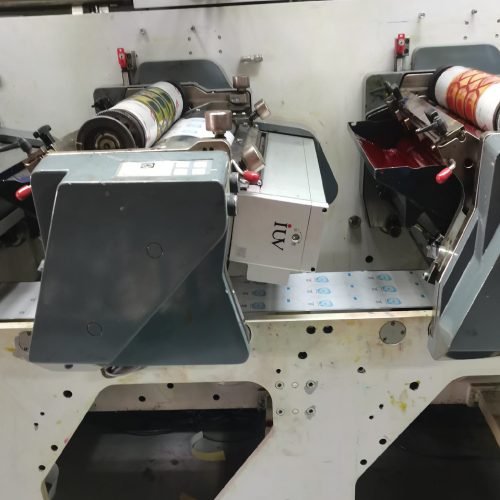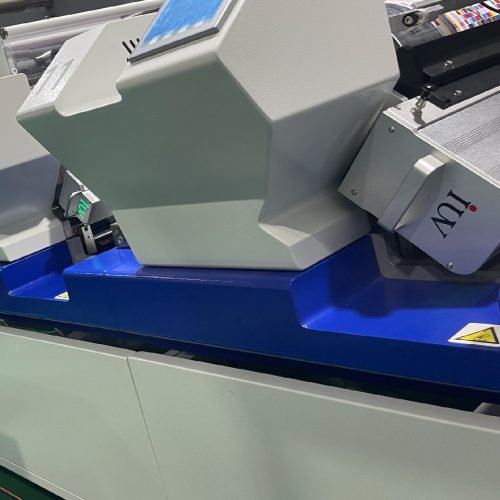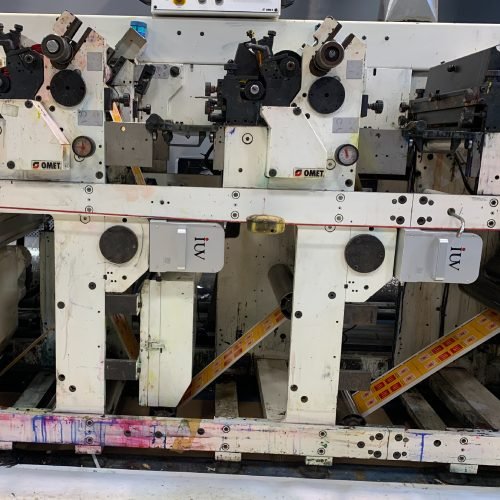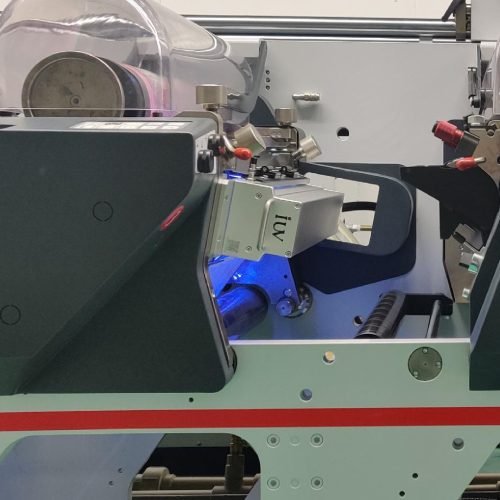
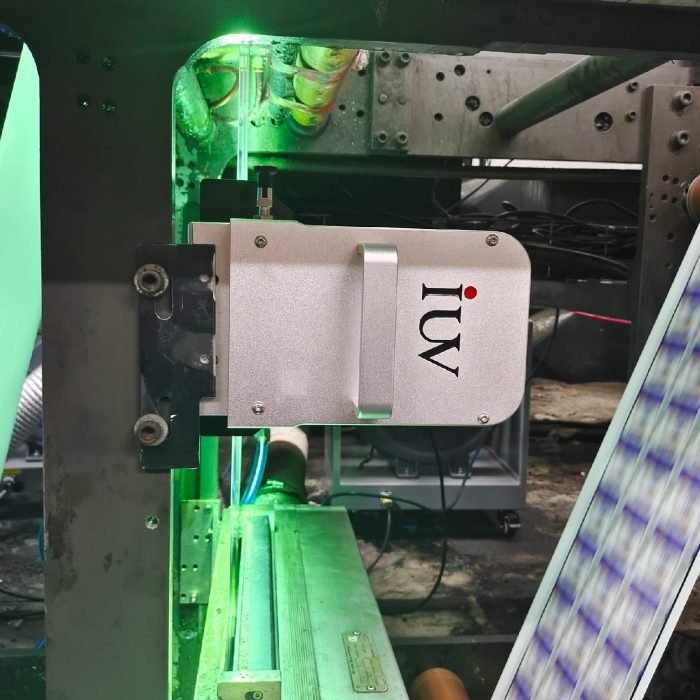
In the fast-paced world of label production, LED curing systems have become the silent workhorses behind vibrant supermarket shelves and durable industrial tags. Unlike traditional UV curing methods that rely on mercury-vapor lamps, these precision tools use specific light wavelengths to instantly transform liquid inks into durable graphics. The shift goes beyond mere technology upgrades – it’s reshaping entire production workflows from flexographic presses to narrow web operations.
Print technicians know the frustration of heat-sensitive materials warping under conventional curing units. LED systems operate at cooler temperatures, preserving the integrity of thin films and delicate substrates. This thermal control proves critical when working with heat-sensitive retroreflective materials for safety labels or delicate wine bottle tags that can’t tolerate distortion. The immediate on/off capability eliminates wasted energy during press pauses, a game-changer for job changeovers in short-run label printing.
Durability meets design in modern label requirements. LED-cured UV inks achieve crosslink densities that laugh at chemical exposures – essential for automotive fluid containers or cleaning product labels. The pinpoint spectral output allows formulators to create inks that cure completely without overexposure, maintaining color fidelity across Pantone matches. Printers using hybrid curing stations report 30% fewer washups by combining LED with other technologies, particularly in multi-layer security label production.
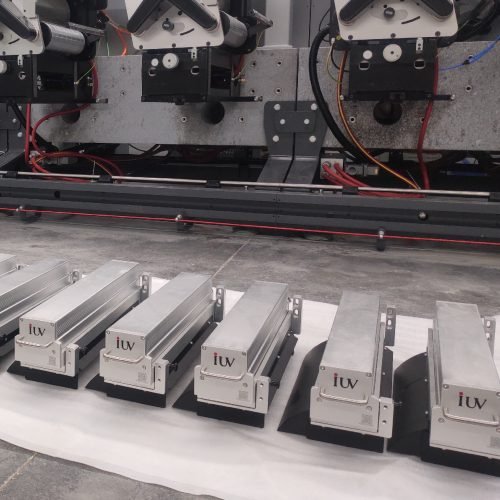
For flexographic operations, the benefits multiply. Shorter-wavelength LEDs penetrate water-based ink layers more effectively, reducing ink consumption while achieving sharper halftones. Narrow web printers leverage the compact LED arrays to design space-efficient curing tunnels, crucial for converting operations with limited floor space. The absence of ozone production removes the need for expensive ventilation systems – a silent victory for small-batch craft breweries needing premium labels without industrial infrastructure.
Offset specialists found unexpected advantages in LED adoption. The consistent irradiance across the web width eliminates edge-to-center cure variations that plagued traditional systems. This uniformity proves vital for pharmaceutical labels requiring perfect ink adhesion across entire batches. Cold cure processes also allow immediate finishing – no more waiting for substrates to cool before die-cutting or embossing.
The environmental math speaks volumes. LED systems consume 70% less power than mercury-based units, with lifespans measured in decades rather than years. Print facilities report eliminating tons of mercury waste from their environmental reports. Energy savings compound in climate-controlled press rooms where traditional UV systems acted like unwanted heaters, forcing AC units to work overtime.
Material compatibility continues to expand as chemists develop LED-specific formulations. Early adopters in sleeve label production now cure temperature-sensitive PVCs without distortion. Metallic inks achieve brighter luster through optimized photoinitiator packages. Even challenging substrates like recycled polypropylene achieve bond strengths that meet industrial washing cycles.
Maintenance routines simplify dramatically – no more lamp rotations or reflector cleanings. Press operators appreciate the diagnostic panels that predict emitter degradation years in advance. The plug-and-play modular design allows quick replacements without technician callouts, minimizing downtime during crucial production runs.
As regulatory pressures mount against mercury technologies, LED systems emerge as the compliant choice. Food label producers particularly benefit from odorless curing processes that prevent volatile organic compound contamination. The precision energy delivery enables new possibilities in variable data printing, where instant curing prevents smudging in high-speed digital label presses.
The transition extends beyond machinery – it’s reshaping entire supply chains. Ink manufacturers report growing demand for LED-specific formulations with narrower photoinitiator ranges. Converter operations integrate curing units directly into finishing lines, enabling single-pass production of complex labels with embossed elements or tactile security features.
In specialty markets, the technology enables previously impossible combinations. Heat-transfer labels for textiles now incorporate delicate holographic elements that would melt under conventional curing. Promotional labels with embedded LEDs come alive through energy-efficient curing processes that preserve electronic components during production.
The true measure of this revolution appears in waste reduction metrics. Print shops report 40% fewer substrate rejects from curing-related defects. Just-in-time production becomes feasible when curing systems can instantaneously adapt to different ink systems without reconfiguration. For private label producers juggling hundreds of SKUs, this flexibility proves invaluable.
Looking forward, the integration of spectral tuning promises to unlock new material combinations. Imagine curing stations that adjust wavelengths dynamically for multilayer labels containing both metallic and transparent elements. As smart packaging evolves, LED systems stand ready to cure conductive inks for interactive labels while preserving sensitive NFC chip functionality.
This isn’t just about faster drying times or energy savings – it’s about redefining what labels can achieve in product marketing and functionality. From wine bottles needing crisp typography to industrial assets requiring weather-resistant tags, LED curing provides the foundation for tomorrow’s labeling solutions. The technology continues to evolve alongside material science breakthroughs, ensuring its role as an enabler rather than a limitation in print innovation.