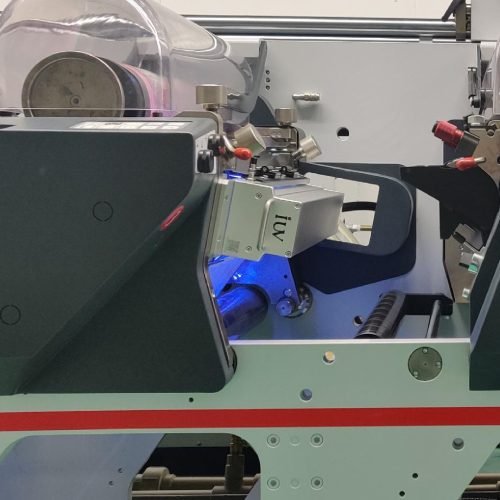
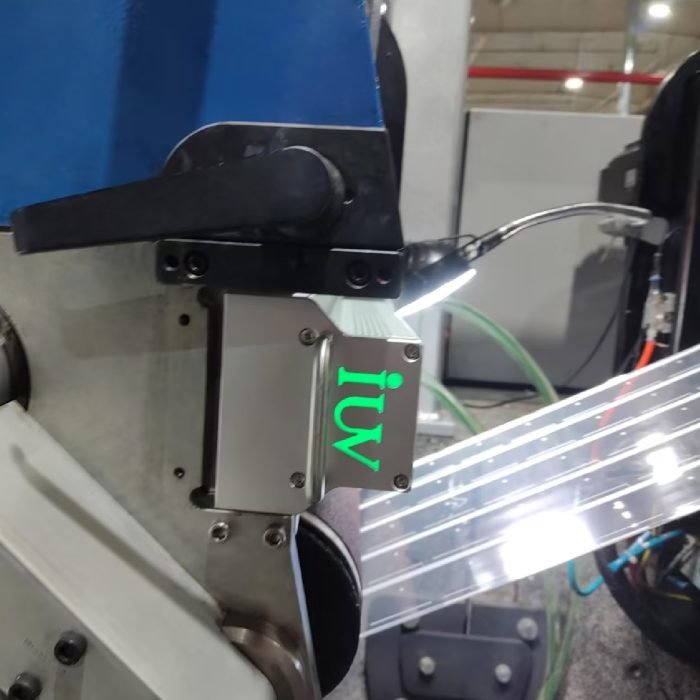
The shift toward sustainable practices in the printing industry has put UV curing systems under the spotlight. Unlike traditional drying methods, UV curing uses ultraviolet light to instantly harden inks, coatings, and adhesives. This technology isn’t just about speed—it’s reshaping how labels, packaging, and commercial prints are produced while addressing environmental concerns. Let’s break down how these systems work across different printing methods and where they stand in the sustainability conversation.
How UV Curing Works (Without the Science Lecture)
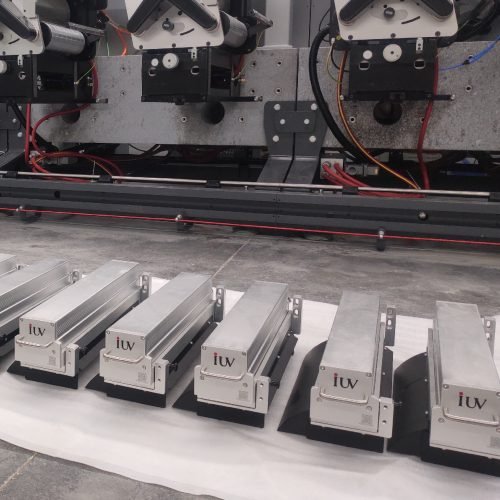
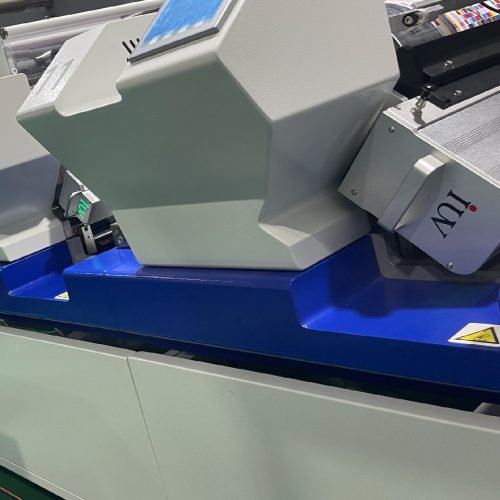
UV curing relies on photoinitiators in inks or coatings. When exposed to UV light—specifically wavelengths between 200-400 nanometers—these compounds trigger a chemical reaction that turns liquid into solid polymer chains. LED-based UV systems have gained traction over mercury-vapor lamps because they target precise wavelengths, reducing energy waste. No solvents evaporate during curing, which means fewer volatile organic compounds (VOCs) escape into the atmosphere. For label printers running narrow web presses, this translates to cleaner production floors and safer working conditions.
Flexography’s Quiet Revolution
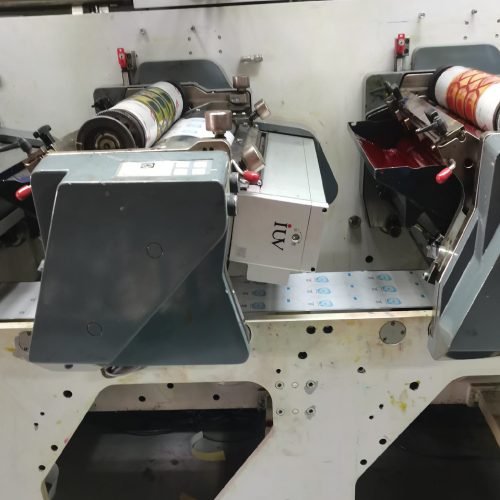
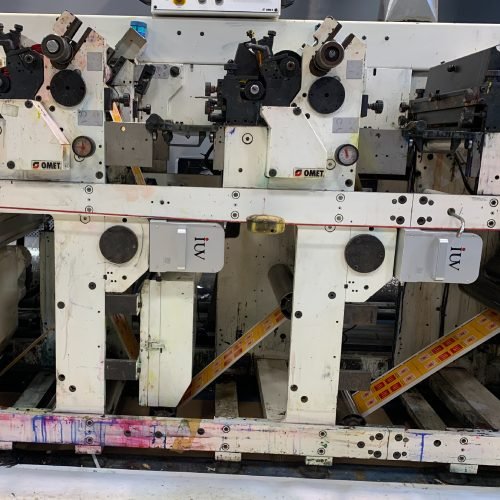
In flexographic printing, UV-curable inks are changing the game for short-run packaging and film applications. Water-based inks traditionally used here require massive drying tunnels, guzzling energy and emitting heat. Switching to UV eliminates drying ovens, cutting energy use by up to 70% in some setups. One flexo printer reported slashing their carbon footprint by 40% after retrofitting two presses with LED-UV units. The lack of solvent evaporation also means sharper dot reproduction—critical for high-quality graphics on flexible packaging.
Offset Printing’s Efficiency Leap
Sheetfed offset printers love UV curing for its ability to handle non-porous substrates like plastics and foils without spray powder. Conventional offset inks sit wet for minutes, risking smudging; UV inks cure in seconds under lamps. This speed lets shops print double-sided work in a single pass, reducing paper waste from test runs. A commercial printer in Germany cut their paper spoilage by 15% after adopting hybrid UV systems. Plus, UV inks don’t require anti-setoff powders, which often end up as airborne particulates.
The Label Industry’s Hidden Advantage
Narrow web label printers were early UV adopters, and for good reason. Labels demand precision on materials like PET or metallic films, which traditional inks struggle to adhere to without primers. UV-curable inks bond instantly, eliminating the need for primer layers and reducing material consumption. One craft brewery switched to UV-printed labels and saw a 30% drop in label rejection rates due to scuffing. The absence of solvents also means labels can be applied immediately, speeding up bottling lines.
Energy Trade-Offs: Not All Roses
While UV systems slash VOC emissions, their energy profile is nuanced. Mercury lamps consume less power upfront but require frequent warm-up cycles, wasting energy during idle periods. LED-UV units draw more electricity per bulb but can toggle on/off instantly. A lifecycle analysis found that LED-UV systems use 60% less energy over five years compared to mercury-based setups. However, printers in regions reliant on coal power grids may offset emission gains—a reminder that sustainability isn’t one-size-fits-all.
Waste Reduction Beyond Inks
UV curing impacts more than just air quality. Instant curing means prints can be handled immediately, reducing defects from accidental contact. One folding carton manufacturer reduced rework waste by 22% after switching to UV. Additionally, UV inks don’t dry in the press, so leftover ink can often be reused in future jobs. Contrast this with solvent-based inks that skin over in trays, forcing daily cleanouts with VOC-heavy chemicals.
The Substrate Factor
Not every material plays nice with UV. Certain recycled papers with high porosity can absorb too much ink before curing, leading to duller colors. Printers working with eco-friendly substrates often opt for hybrid curing—combining UV and infrared—to balance speed and compatibility. Innovations like low-migration UV inks are also easing safety concerns for food packaging, though regulatory hurdles remain in some markets.
Looking Ahead: Smarter Curing
Emerging technologies like variable-wavelength UV systems let printers adjust light output for specific inks, trimming energy use further. Some presses now integrate real-time monitoring to optimize lamp intensity based on substrate thickness. As renewable energy costs drop, the environmental math for UV curing will keep improving. For now, printers weighing the switch must factor in local energy sources, substrate mixes, and upfront retrofit costs—but the long-term trajectory points toward cleaner, leaner production.
The conversation around UV curing isn’t just about replacing old tech. It’s a case study in how industrial processes can evolve without sacrificing performance. From labels that stay vibrant on store shelves to folding cartons that ship faster, the ripple effects of this technology are quietly reshaping what’s possible—and what’s responsible—in modern printing.