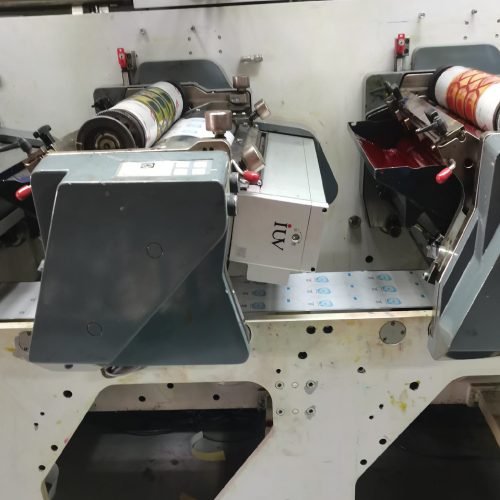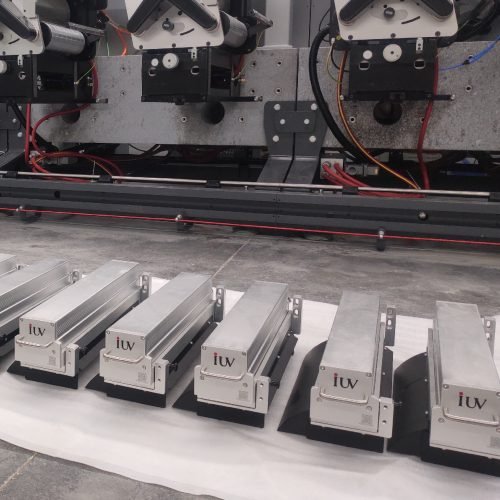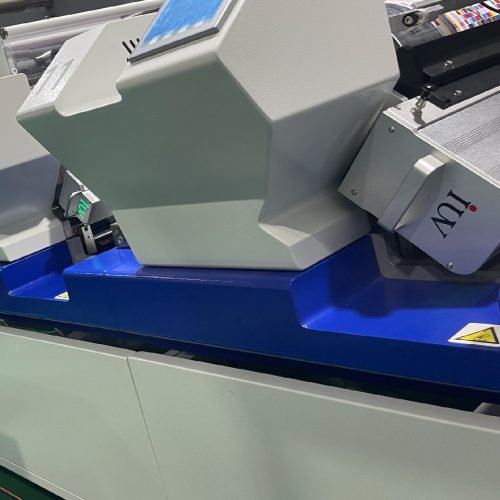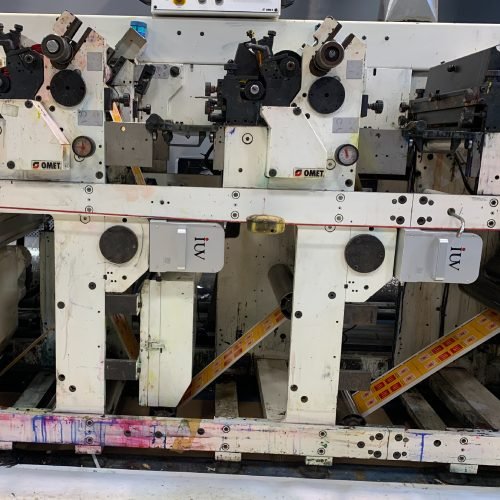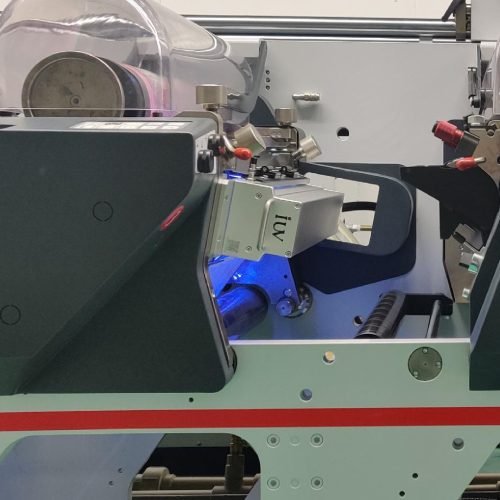
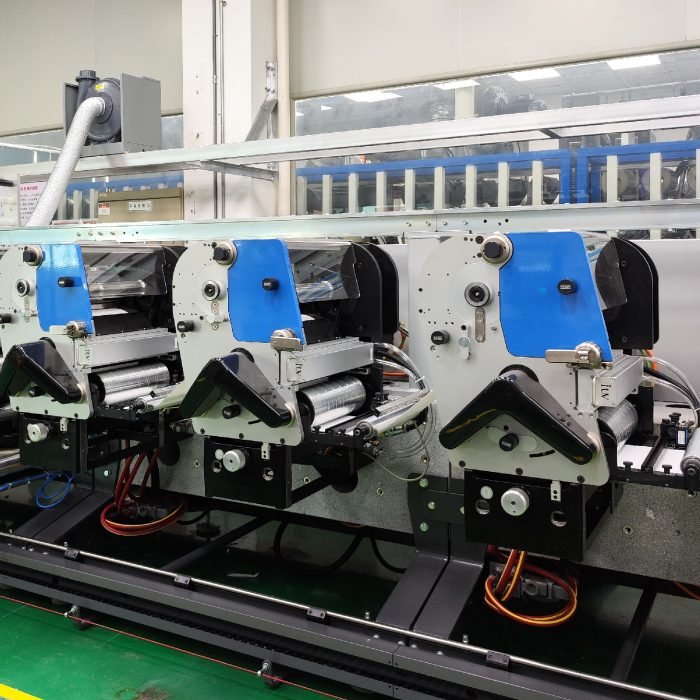
The print industry thrives on speed without sacrificing quality. Every second counts when deadlines loom and clients demand perfection. Advanced UV curing systems have emerged as game-changers, particularly for operations specializing in label production, flexography, offset, and narrow web applications. Let’s explore how integrating these systems can streamline workflows while addressing common pain points across different printing methods.
Label Printing’s Need for Speed
Label converters face relentless pressure to deliver short runs with complex designs. Traditional curing methods often bottleneck production with extended drying times, especially when working with heat-sensitive substrates. Modern LED-UV systems eliminate this hurdle by curing inks and coatings instantly. The cold-cure process prevents substrate warping, a critical advantage when handling delicate materials like thin films or specialty papers. Operators report 30-40% faster job turnover since switching to UV, particularly beneficial for wine labels requiring intricate metallic effects or pharmaceutical labels demanding crisp text readability.
Flexographic Printing’s Quality Dilemma
Flexo printers balancing high-volume orders with fine detail work benefit from UV’s precision. The instant curing mechanism locks pigments in place, preventing dot gain even on porous materials like corrugated board. One Midwest packaging company reduced waste by 22% after retrofitting their flexo presses with UV modules. Their team now runs water-based UV hybrid inks that cure completely without VOC emissions, crucial for food-contact packaging compliance.
Offset’s Energy Efficiency Challenge
Sheetfed offset shops often grapple with energy-intensive drying systems. UV retrofits slash power consumption by eliminating infrared dryers and reducing press downtime between jobs. A commercial printer in Texas cut their monthly energy bills by $3,800 after transitioning to UV-curable offset inks. The immediate cure allows inline finishing – embossing, foil stamping, and die-cutting can happen immediately without risking smudges.
Narrow Web’s Versatility Demands
Narrow web converters juggling everything from flexible packaging to security ribbons require adaptable curing solutions. Modular UV systems allow precise control over irradiation intensity across different web widths. A European converter producing anti-counterfeit tax stamps implemented adjustable LED-UV arrays that maintain consistent cure levels despite varying ink film thicknesses. Their defect rate dropped below 0.5% while achieving 98% ink utilization through reduced misting.
UV Chemistry Advancements
Recent developments in photoinitiator technology have expanded UV ink capabilities. Low-migration formulations now dominate food packaging sectors, while specialty effects like tactile textures or scratch-off coatings open premium market opportunities. A label converter in California landed a luxury cosmetics contract by demonstrating UV-cured inks that withstand alcohol-based perfumes without cracking.
Maintenance Considerations
While UV systems reduce some maintenance aspects (no dryer filters to replace), they demand new protocols. Quarterly reflector cleaning prevents intensity loss, and proper cooling system maintenance ensures lamp longevity. A common mistake is neglecting UV intensity monitoring – smart sensors that automatically adjust power based on line speed prevent under-curing incidents.
Cost Analysis Perspectives
The ROI equation for UV adoption varies by operation. Label converters often recoup costs within 18 months through reduced substrate waste and faster changeovers. For offset printers, the savings come from energy reductions and eliminating spray powder expenses. One book printer eliminated $12,000 annually in powder costs alone after switching to UV-coated covers.
Workflow Integration Tips
Successful UV implementation requires more than equipment purchase. Conduct spectral analysis of existing inks – some pigments require specific UV wavelengths for proper curing. Train press operators to recognize proper cure through simple rub tests rather than relying solely on equipment readings. Many shops find value in hiring UV specialists during the transition phase to optimize lamp positioning and reflector angles for their specific press configuration.
Environmental Factors
Contrary to early criticisms, modern UV systems support sustainability goals. LED-UV cuts energy use by 70% compared to mercury vapor lamps. Water-washable UV inks are gaining traction, eliminating solvent cleaning needs. A label plant in Sweden achieved zero solvent emissions by combining LED-UV with water-based cleaning systems, qualifying for government green manufacturing incentives.
Future-Proofing Considerations
As hybrid printing gains momentum, UV curing’s role expands. Digital hybrid presses combining inkjet with UV flexo units require curing systems that handle both ink types. The latest LED-UV models offer dual-wavelength outputs (365nm and 395nm) to cure diverse chemistries. A converter investing in such systems today positions themselves to handle emerging ink technologies without additional retrofitting costs.
The shift toward UV isn’t just about keeping pace – it’s about redefining what’s possible in print production. From enabling new decorative effects to meeting tightening environmental regulations, these systems have evolved from luxury investments to core components of competitive print operations. The shops thriving in today’s market aren’t just running presses faster; they’re leveraging UV technology to create value that clients can’t find elsewhere.