The world of commercial printing splits into two distinct realms when you pick up a product – the label clinging to your craft beer bottle and the box housing your new smartphone. Though both involve transferring ink onto substrates, the mechanics, materials, and market demands diverge sharply. Let’s dissect these differences through the lens of production floors rather than textbook definitions.
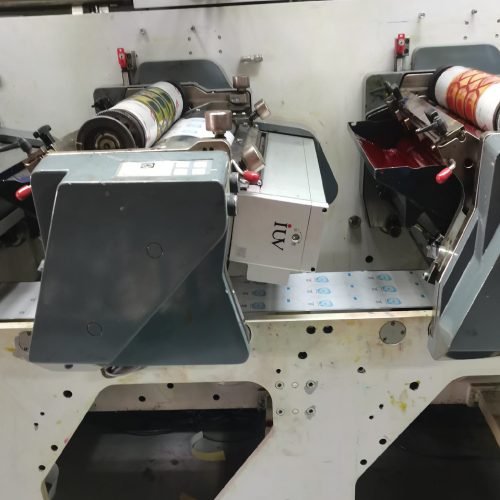
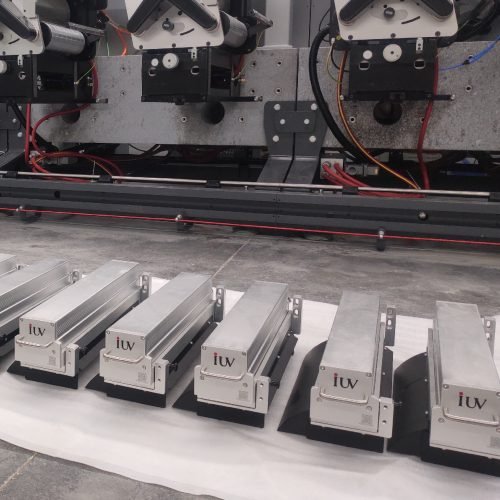
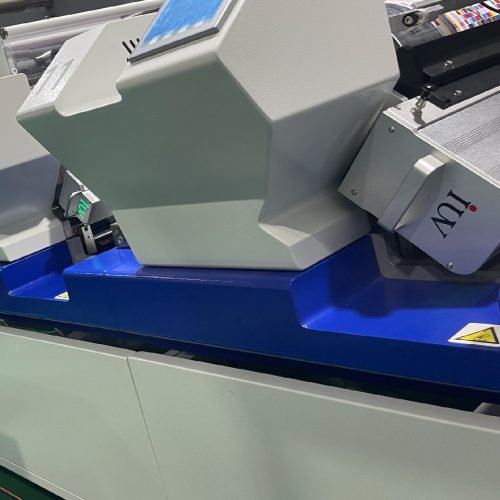
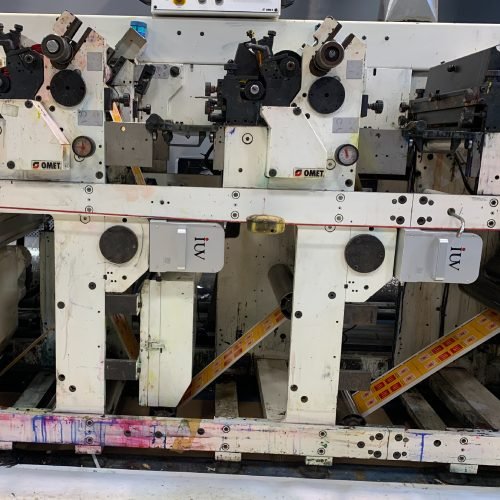
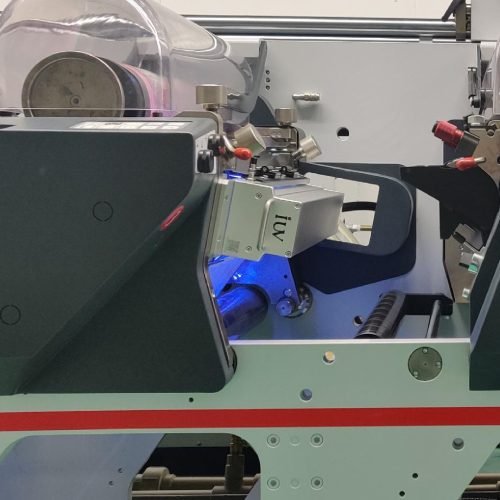
Label presses hum with different priorities. Narrow-web flexographic machines dominate here, their quick-change sleeves allowing rapid shifts between wine labels and pharmaceutical stickers. Substrate thickness rarely exceeds 10 mil – we’re talking pressure-sensitive films, metallicized papers, or textured vellum. The real magic happens at the end of the line where LED-UV lamps blast inks into instant cure. Unlike traditional mercury-vapor systems, these solid-state units hit specific wavelengths (365-405nm) that activate photoinitiators in modern UV inks without overheating delicate facestocks. I’ve watched operators peel labels off the liner seconds after printing, something unimaginable with solvent-based inks needing drying tunnels.
Packaging presses growl with heavier burdens. Sheetfed offset units handle cosmetic cartons, while wide-web flexo machines churn out cereal box stock. Substrates here play rough – corrugated board abrades plates, foil-laminated stocks challenge adhesion, and recycled materials vary like the weather. Curing becomes a tactical game. Hybrid systems often deploy: LED-UV for surface inks, followed by electron beam curing for opaque whites underneath. The thermal management dance intensifies – too much IR heat from older UV systems warps paperboard, while too little cure leaves coatings tacky. I once saw a 10,000-sheet run ruined because ambient humidity shifted 20% between shifts, altering substrate conductivity.
Registration tolerances tell another tale. Label converters routinely hold ±0.1mm, critical when printing microscopic batch codes or tamper-evident stripes. Packaging printers might allow ±0.5mm – until a luxury brand demands perfect hologram alignment across perfume boxes. The difference? Label presses use servo-driven gears with real-time tension control, while big packaging machines rely on mechanical compensation systems. Both approaches work until you try printing thermochromic inks on shrink sleeves – then every micron of stretch matters.
Ink chemistry splits too. Label shops favor UV-curable formulations – instant cure enables stacking without smudging. But try printing UV ink on untreated polypropylene tubes and watch adhesion fail spectacularly. Packaging lines often default to water-based inks for food safety, then hit a wall when printing metallic effects on coated boards. The solution? Hybrid ink systems with dual-cure mechanisms. A recent breakthrough involves UV inks containing latent catalysts that activate under specific IR wavelengths during subsequent converting steps.
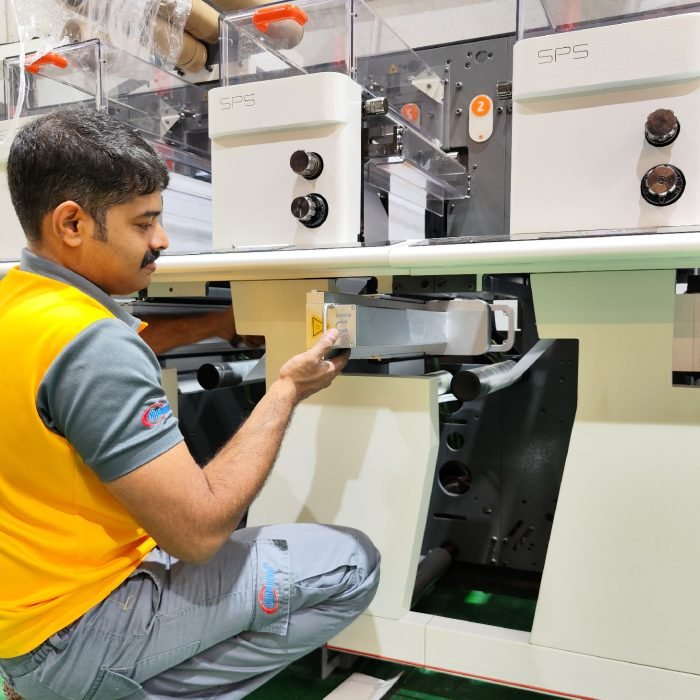
Finishing separates the specialists. Label lines integrate die-cutting, embossing, and lamination in-line – I’ve seen 12-process stations on a single web path. Packaging workflows often require offline processes: foil stamping, window patching, or complex folding. The exception? Digital hybrid setups where a label press adds variable data to pre-printed cartons. One plant I consulted runs digital UV inkjet heads over flexo-printed boxes, marrying the benefits of both worlds.
Cost structures diverge unexpectedly. Labels command higher per-square-meter prices but fight for every micron of substrate savings. Packaging absorbs massive material volumes but negotiates bulk polymer deals. The hidden equalizer? Waste. A 1% improvement in label press setup efficiency saves more substrate than a 5% gain on packaging lines, relative to total material use. Yet packaging converters wield more leverage with raw material suppliers – try getting a polymer resin sample as a label converter versus a packaging giant.
Throughput metrics reveal operational DNA. Label shops measure jobs in linear meters per minute, packaging plants in sheets per hour. But when a brewery needs 50,000 cans labeled by morning, both worlds collide. The solution often involves repurposing packaging equipment for label runs – I’ve witnessed 8-color CI flexo presses normally used for frozen food boxes cranking out metallic beverage labels at 200m/min.
The sustainability push reshapes both sectors differently. Label converters reduce waste through thinner films and UV inks with 95% solid content. Packaging players focus on recyclable mono-materials and water-based coatings. LED-UV curing bridges both – our tests show 70% energy reduction versus conventional UV systems, plus zero ozone generation. But try explaining that to a brand manager focused on PCR content percentages. The real innovation happens when technologies cross-pollinate – like using label-grade LED curing units on folding carton lines for spot varnish effects.
Workforce skills tilt in unexpected directions. Label technicians master tension control and quick job turnover. Packaging veterans excel in bulk material handling and structural design. Yet when a pharmaceutical client needs cold-foil applied to blister pack labels with ±0.15mm registration, both skill sets merge. The best operators I’ve trained could switch between printing shampoo labels and microwave meal boxes without missing a beat – provided the coffee kept flowing.
Future trends suggest convergence through digitalization. Hybrid presses now handle both label and folding carton work by switching web widths and curing configurations. LED-UV plays matchmaker here – its compact modules adapt to various press architectures without retrofitting costs. A recent installation I oversaw uses the same UV arrays for curing labels on 330mm webs and cosmetic boxes on 760mm webs, simply by repositioning reflectors. As brands demand versioned packaging and smart labels, the divide between these printing realms keeps narrowing – but the core DNA differences remain as stark as a barcode on a brown box.