The label printing landscape is shifting faster than a flexo press at full tilt. By 2025, converters navigating this space will need equal parts technical savvy and environmental consciousness. Let’s cut through the hype and examine what’s actually changing on press floors and why it matters for your bottom line.
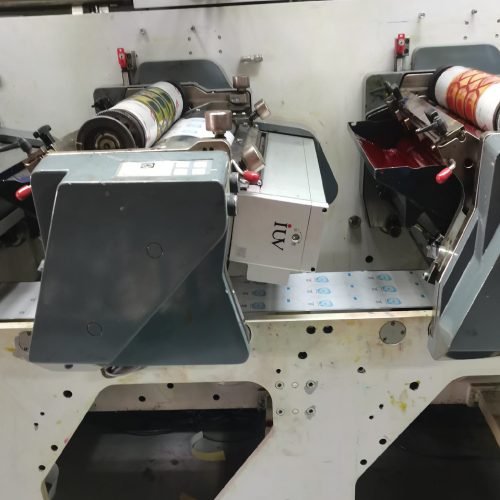
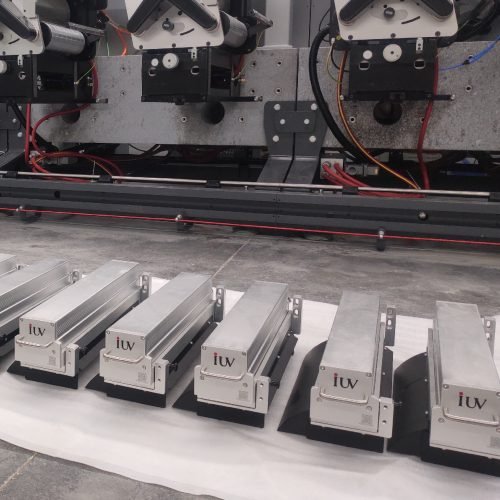
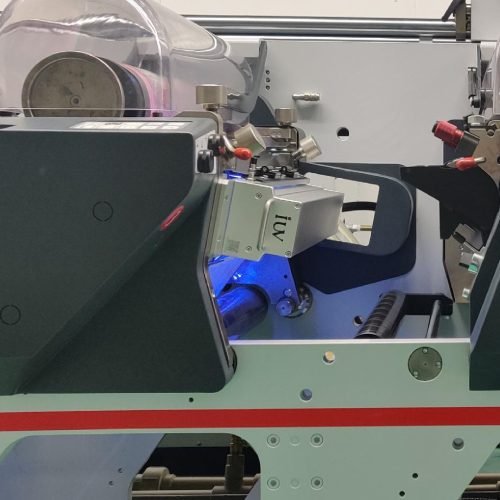
Smart labels aren’t just RFID chips slapped on packaging anymore. We’re talking about hybrid systems combining conductive inks with ultra-thin NFC antennas, printed inline during standard flexo runs. The game-changer? LED UV curing units small enough to integrate between print stations. This allows curing specialty inks without compromising web speed – crucial when printing 300-meter rolls of pharmaceutical labels requiring batch-specific data.
Water-based inks still dominate flexible packaging, but solvent alternatives are making a comeback with twist. Modern recovery systems now capture 92-96% of VOCs, while new resin formulations enable faster drying at lower temperatures. The real action’s in UV hybrid inks that marry radical curing with oxidative drying. These workhorses handle tricky substrates like untreated PP films that make conventional UV inks balk, all while maintaining the scratch resistance brands demand for premium products.
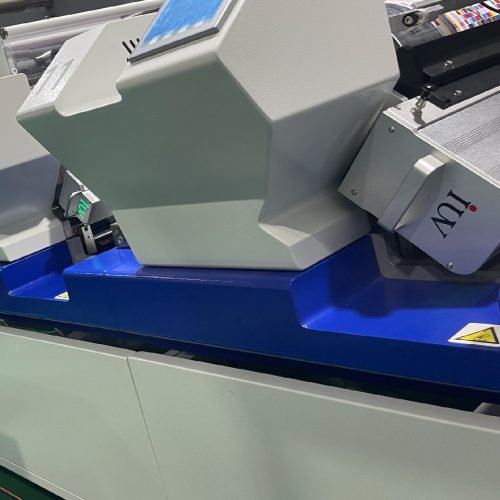
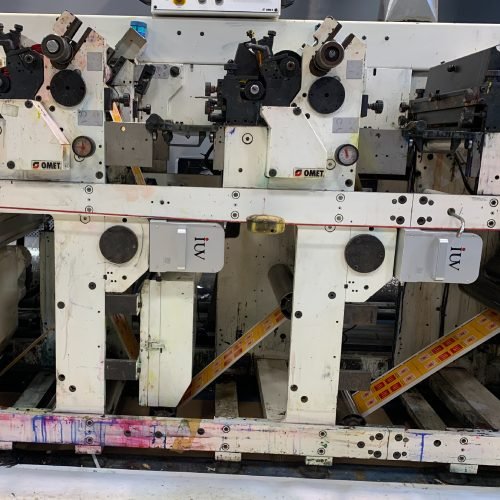
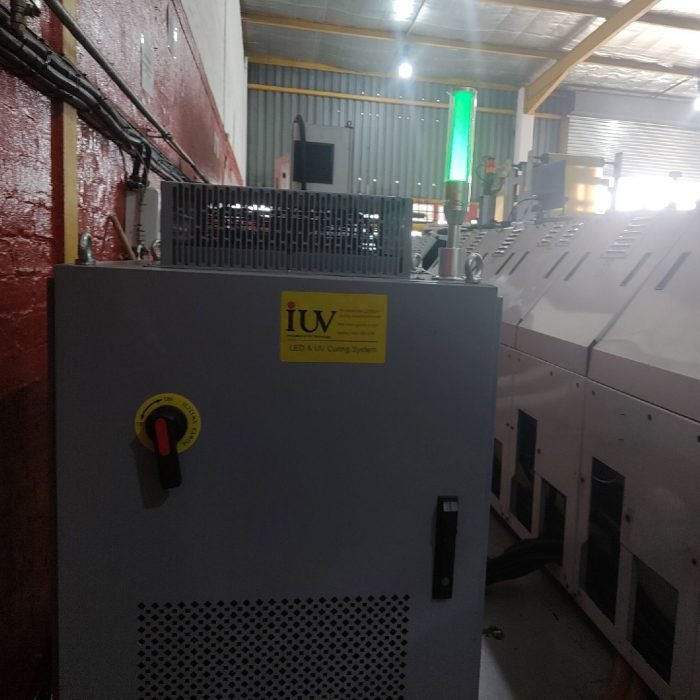
Narrow web’s secret weapon? Modularity. A 430mm press running shrink sleeves in the morning can switch to unsupported films by lunchtime, then tackle metallic cold foiling before shift end. The key lies in quick-change servo-driven components and LED UV lamps that don’t need warm-up time. Speaking of UV – the latest high-intensity LED arrays achieve full cure at 350 mJ/cm² while drawing less power than a commercial microwave. For converters, this means energy bills slashed by 40% compared to traditional mercury vapor systems, plus the ability to run heat-sensitive materials without warping.
Offset’s not bowing out quietly. Advanced plate technologies now hold 200 lpi screens on 20μm dots, rivaling gravure’s quality without the cylinder costs. Combine this with UV inks achieving 98% dot reproduction on coated stocks, and you’ve got short-run premium labels that actually turn profit. The sweet spot? Craft beverage markets where batch sizes keep shrinking but quality expectations keep climbing.
Sustainability metrics are getting teeth. That soy-based ink certification won’t cut it when EU regulations mandate 65% bio-renewable content by 2025’s close. Forward-thinking operations are testing algae-derived pigments and lignin-based varnishes. One German converter’s pilot project replaces petrochemical acrylates with modified cellulose esters in UV coatings – early results show comparable cure speeds with 80% lower carbon footprint.
On the finishing side, digital embellishment is blurring lines between label and luxury packaging. Hybrid presses combining inkjet metallic effects with rotary embossing achieve textures that used to require multiple passes. The trick is synchronizing foil application with UV curing’s precise temperature control – too much heat and your holographic foil turns to crinkled garbage.
Workflow integration remains the silent profit-killer. A label shop might have the fastest press in town, but if their MIS can’t talk to the UV curing system’s power monitor, they’re leaving money on the table. The new generation of IoT-enabled controllers does more than prevent jams – they calculate exact energy use per job, track ink viscosity in real time, and even predict blanket replacement schedules based on impression counts.
Substrate innovation is forcing pressroom adjustments. Compostable films with rough surfaces demand higher ink film thickness, while paper labels claiming marine biodegradability often require modified drying parameters. Successful converters are running small-batch trials using UV inks with adjustable surface tension – crucial when switching from glassine release liners to PET alternatives.
The skilled labor shortage is accelerating automation adoption. Semi-automatic plate mounting systems now achieve registration accuracy within ±15 microns, while vision inspection systems tied to UV curing units can flag under-cured areas before slitting. For operations still running manual QC checks, that’s 3-5% material waste eliminated overnight.
As 2025 approaches, the winners won’t be those chasing every trend, but shops that strategically upgrade where it counts. Maybe that’s retrofitting existing flexo units with LED UV instead of buying a new press. Or phasing out solvent cleaning systems as water-based ink technology matures. The key is matching technical capabilities to emerging market demands – whether that’s smart labels for IoT-enabled logistics or compostable wine tags for eco-conscious vineyards.
One thing’s certain: static operations will struggle. The combination of tighter regulations, material science breakthroughs, and client demands for shorter runs at higher quality makes continuous adaptation non-negotiable. Pressrooms keeping their curing systems flexible, their ink chemistries diverse, and their workflow data transparent will own the 2025 landscape. Others risk becoming footnotes in an industry that waits for no one.