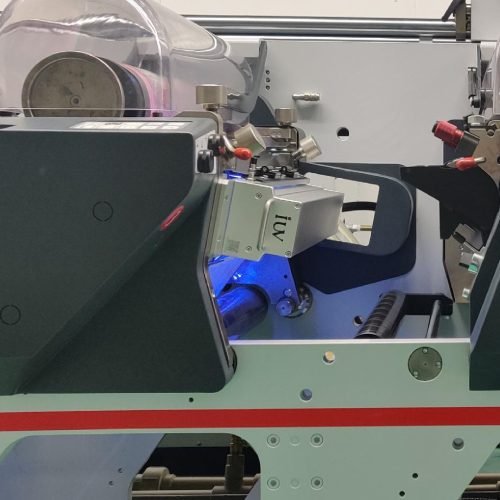
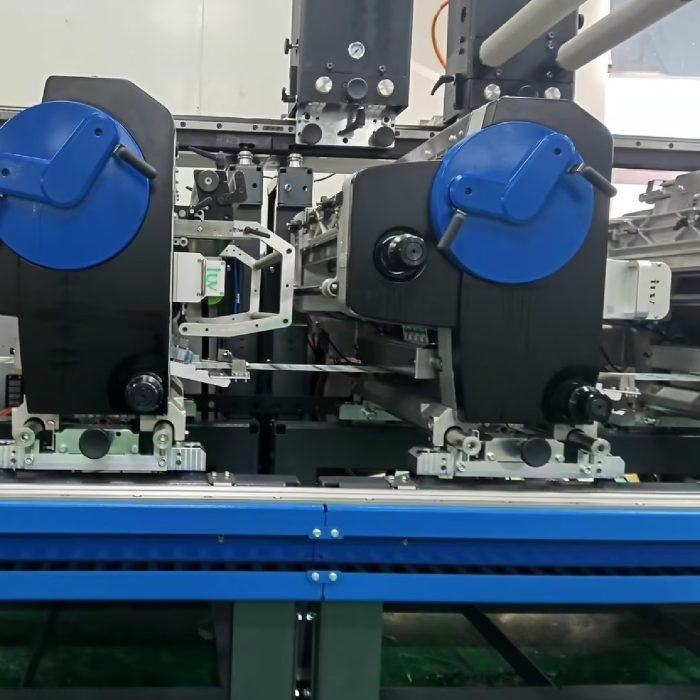
When choosing between digital and flexo label printing, the decision often feels like picking between a sports car and a heavy-duty truck. Both get you where you need to go, but the ride quality and fuel efficiency differ dramatically. Let’s break down how these technologies stack up in real-world label production environments, with a spotlight on how LED UV curing reshapes the game.
The Speed vs. Flexibility Dilemma
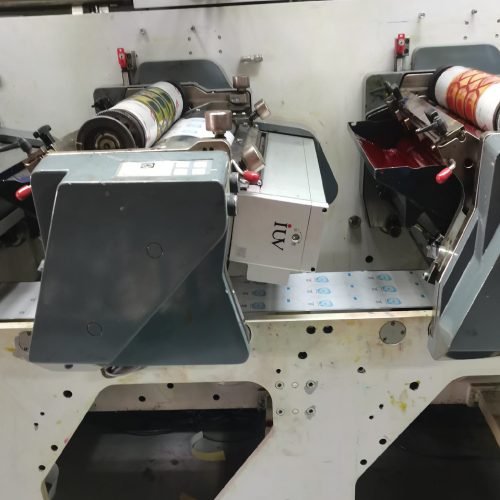
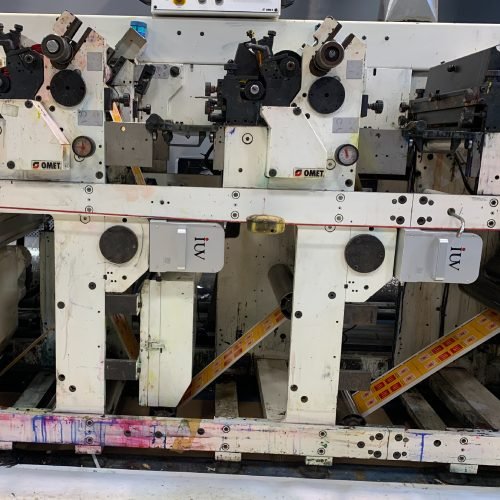
Flexo presses dominate long runs – think 50,000 labels – with their rotary systems clocking speeds up to 750 feet per minute. The caveat? You’re locked into fixed plate costs and minimum order quantities that make small batches financially painful. Digital systems flip this model, offering click-to-print convenience for runs as low as 50 labels. Late-stage design changes? A non-issue with digital’s plate-free workflow. But here’s where LED UV steps in: modern hybrid flexo presses now integrate instant-curing UV stations, allowing faster ink drying than traditional solvent-based systems. This tech bridge lets flexo compete with digital turnaround times for mid-range jobs (5,000-20,000 units).
Ink Chemistry Showdown
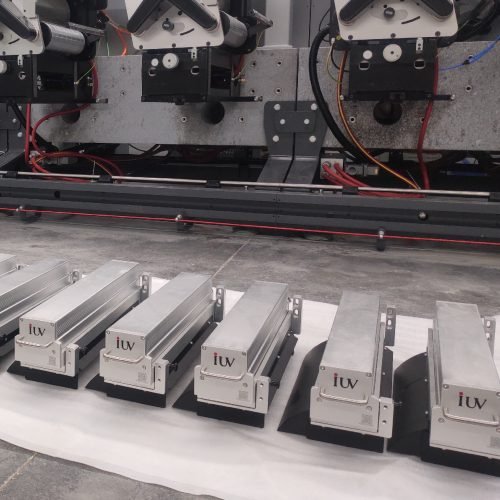
Digital printers rely on toners or UV-curable inks that bond directly to substrates. Flexo’s liquid inks require precise viscosity control – too thick, and you get orange peel texture; too thin, and colors bleed. Enter LED UV curing systems, which polymerize flexo inks in 0.2-2 seconds versus conventional mercury vapor lamps’ 5-8 second cure times. This isn’t just about speed. LED’s narrow wavelength output (365-405 nm) allows safer operation, 70% less energy consumption, and zero ozone production compared to traditional UV systems. Printers using LED UV report 40% fewer substrate scorching incidents on heat-sensitive materials like thin PET films.
The Substrate Factor
Digital presses excel on coated papers and synthetic labels but hit walls with metallic films or textured stocks. Flexo’s physical plate pressure adapts better to uneven surfaces – imagine printing on corrugated cannabis packaging or embossed wine labels. With LED UV, flexo gains edge on tricky materials: the cooler curing process prevents warping on thin PVC tags (common in apparel) and improves adhesion on polyolefin surfaces (think industrial chemical drums). One brewery saw 85% reduction in ink rub-off on chilled beer cans after switching to UV-flexo with LED curing.
Color Consistency Battles
Digital’s CMYK process struggles with Pantone matches – that iconic Coca-Cola red? Tough to nail without spot colors. Flexo’s pantone system delivers brand-specific accuracy but requires meticulous ink mixing. UV curing changes the color game: unlike solvent inks that dry through evaporation (altering pigment density), UV inks retain exact color properties post-cure. A cosmetics client achieved 0.8 ΔE color variance across 10 million luxury lipstick sleeves using UV-flexo – digital workflows hover around 1.5-2.0 ΔE for similar jobs.
Cost Equations Breakdown
Upfront numbers mislead. Digital’s $0.05-0.08 per label seems cheaper than flexo’s $0.03-0.06 until you factor in substrate waste. Flexo’s setup generates 200-500 wasted labels during plate mounting and ink balancing; digital’s warm-up waste stays under 50 labels. But here’s the twist: LED UV flexo reduces ink waste by 30% through precise curing control, narrowing the cost gap. For 100,000 labels, digital might cost $5,000 vs. flexo’s $3,500. But add three design revisions, and digital’s changeover savings ($0 vs. $450 per plate adjustment) tilt the scales.
Environmental Pressures
Digital’s toner cartridges contain 60-70% non-recyclable polymers. Flexo UV inks, post-LED curing, become inert and recyclable – major plus for EU packaging compliance. LED systems slash energy use: a 10-color flexo press with traditional UV consumes 38 kWh vs. 12 kWh with LED. California-based converters report 90% reduction in VOC emissions after adopting LED UV-flexo lines.
The Hybrid Horizon
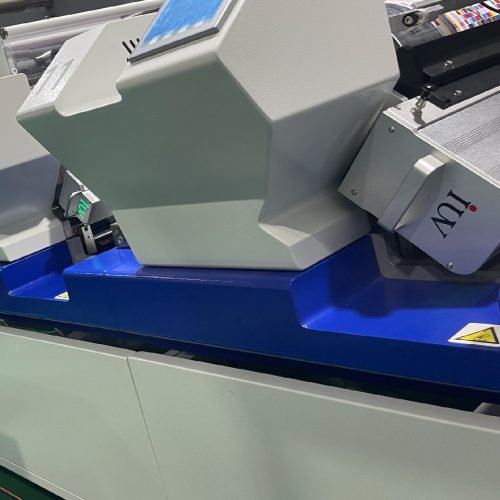
Why choose? Emerging hybrid systems like the MPS EF SYMJET combine flexo stations with inkjet modules. Run metallic accents via flexo, then hit variable QR codes digitally – all cured under single LED UV array. One contract packager reduced production steps for pharma labels from 7 to 3 using such setups, cutting lead times from 14 to 5 days.
Your move depends on workflow DNA. High-mix brands needing micro-runs should lean digital. Commodity producers with stable SKUs stick with flexo. But if you’re eyeing metallic effects on recyclable materials with mid-volume needs, LED UV-flexo might just be your golden ticket. The real win? Partnering with converters who run both technologies – that’s where the magic of hybrid flexibility truly shines.