The world of label printing isn’t one-size-fits-all. Whether you’re crafting limited-edition craft beer labels or shipping millions of cosmetic products, the machinery, ink systems, and curing methods directly impact your bottom line. Let’s break down how small-batch and mass production workflows differ—and where LED UV curing bridges the gap.
Flexo vs. Offset: A Throughput Perspective
Flexographic printing dominates mass production for a reason. Modern flexo presses with automated plate changers and web tension controls can hit speeds exceeding 500 feet per minute. The catch? Those polymer plates and anilox rolls aren’t cheap. For runs under 10,000 labels, the setup costs eat margins fast. That’s where hybrid offset (sometimes called “dry offset”) steps in. Using thinner, cheaper plates and standard CMYK inks, it’s the go-to for boutique wineries or seasonal food packaging. But here’s the twist: LED UV curing flips the script.
Why VOCs Matter in Short Runs
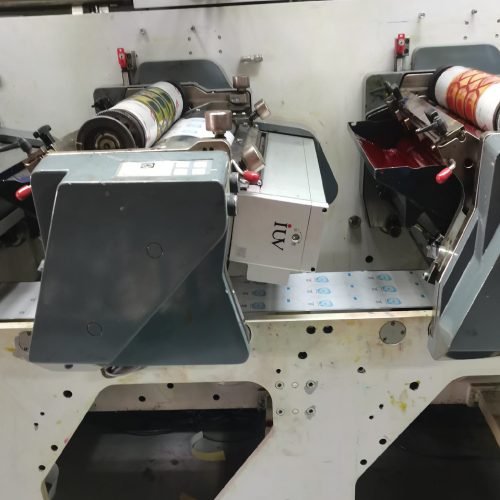
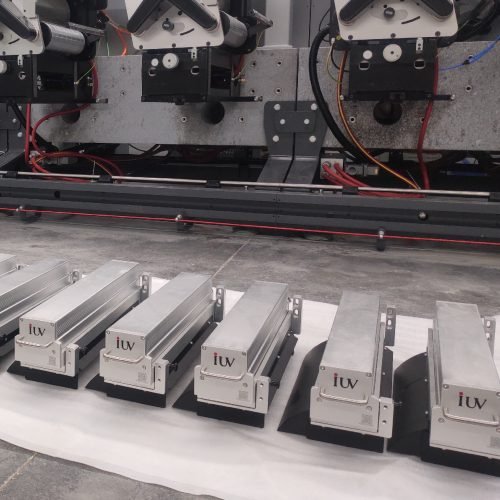
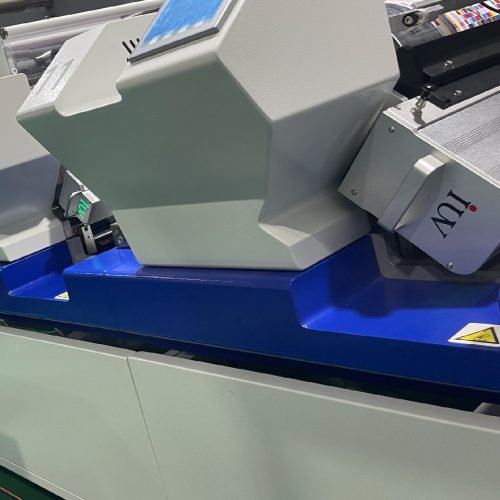
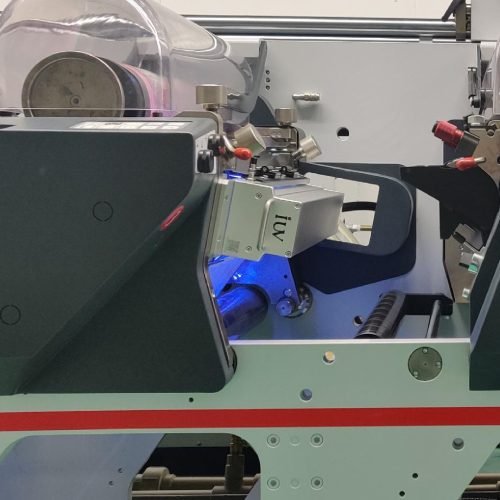
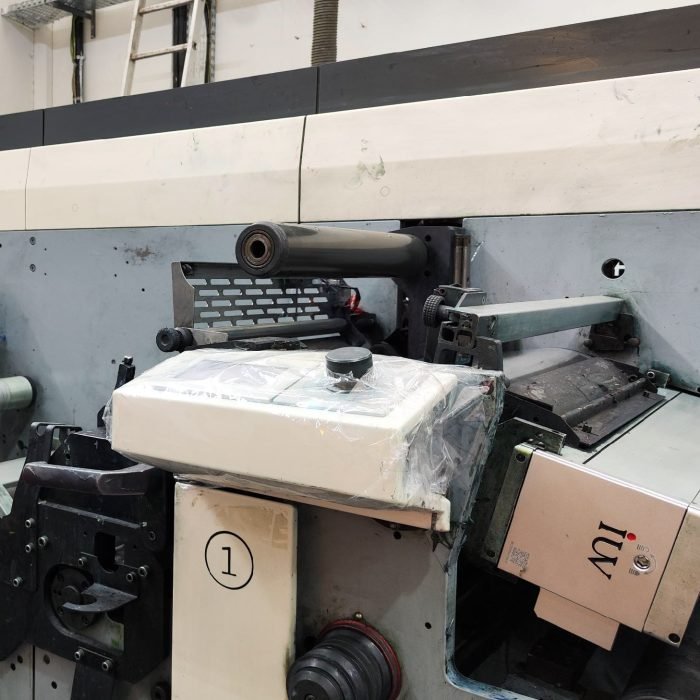
Traditional solvent-based inks stink—literally and figuratively. Small shops running short batches often lack industrial ventilation, making low-odor UV or water-based inks safer. But water-based takes forever to dry without a 20-foot dryer tunnel. Enter LED UV. A 12-inch curing unit tacked onto a modified offset press lets you print metallics, whites, and varnishes without changing ink systems. No ozone, no heat distortion on thin films—just cure-on-demand.
Narrow Web’s Hidden Advantage
That 10-inch web width isn’t just for pressure-sensitive labels. With servo-driven digital hybrids, converters toggle between 50-label test prints and 50,000-unit orders without rethreading. The secret sauce? LED UV lamps with adjustable intensity. Running PET labels? Crank up to 6 W/cm². Delicate wine labels? Drop to 3.5 W/cm². This granular control prevents substrate warping, which plagues older mercury-vapor systems.
Ink Adhesion: The Silent Profit Killer
Ever seen screen-printed logos peel off after ice bath testing? UV curing’s instant polymerization solves that. But not all UV inks are equal. Mass production uses high-reactivity chemistries to keep pace with fast presses. Small batches need broader compatibility. Dual-cure UV inks—partly cured by LED, fully crosslinked via oxygen inhibition—adhere to tricky substrates like textured HDPE without primer.
The Registration Headache
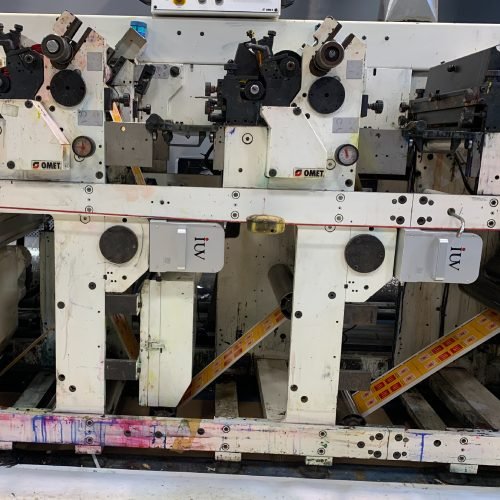
Digital printers love to tout perfect registration, but ask any flexo operator about repeat jobs. A well-maintained CI press with UV-curable inks holds ±0.1mm registration across 8 colors. For seasonal reruns—think holiday cookie packaging—that consistency saves thousands in plate remakes. Meanwhile, short runs thrive with servo-driven semi-rotary systems. Pair that with UV pinning (partial curing between stations), and you eliminate dot gain even on porous stocks.
Cost Per Label: Breaking the Myths
Conventional wisdom says digital rules short runs, analog for long. Reality’s messier. A UV-flexo job with inline die-cutting at 20,000 labels often beats digital’s click charge. But below 5,000 units, digital UV inkjet steals the show. The sweet spot? Hybrid workflows. Print static elements via flexo (metallics, varnishes) and variable data with inkjet. UV curing ensures both layers bond without interstation drying.
Sustainability: Not Just a Buzzword
Solvent recovery systems make sense for factories pumping out miles of labels daily. For smaller players, UV’s 100% solids content slashes waste. No solvents mean no VOC abatement costs. Plus, LED UV lamps last 20,000 hours—5x longer than traditional bulbs. Less downtime swapping lamps, fewer hazmat disposal fees.
Substrate Wars: PET vs. PP vs. Paper
Mass production often defaults to BOPP films—cheap, stable, easy to print. But craft breweries love textured papers that flexo struggles with. UV-curable inks penetrate deeper into fibrous stocks without soak-through. On the flip side, printing clear-on-clear PET labels for cosmetics requires perfect cure through the film. High-intensity LED arrays with reflectors now achieve 95% cure depth at 100 fpm.
The Future: Hybrids Get Smarter
The latest gear blurs the line between batch sizes. Imagine a press that starts with flexo for base colors, switches to digital for versioning, then applies cold foil—all under UV. Job changeovers drop to 15 minutes. For marketers testing 10 SKUs, this agility is gold.
Energy costs will keep driving LED adoption. A typical 10-inch UV system draws 8kW with air-cooling. Swap to LED, and you’re at 3kW—no chillers needed. That’s a 60% drop in ops costs, crucial for shops juggling variable order volumes.
At the end of the day, choosing between small-batch and mass production isn’t about volume alone. It’s about matching ink chemistry, curing tech, and substrate handling to your client’s pain points. The shops winning right now aren’t just faster or cheaper—they’re the ones making 500 labels feel as profitable as 500,000.