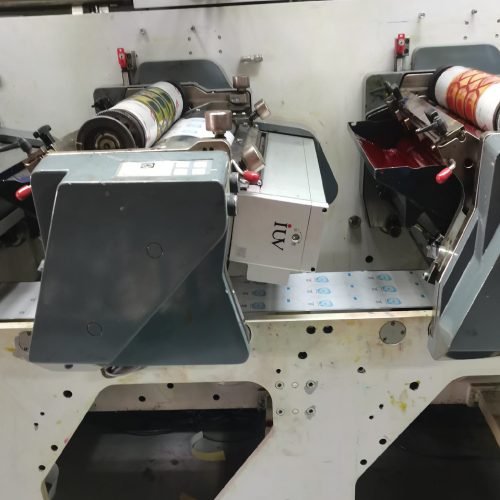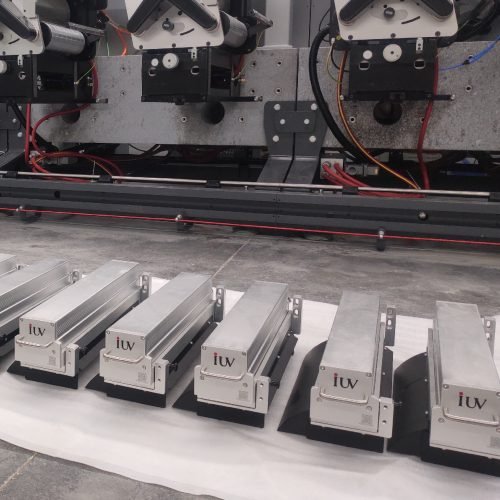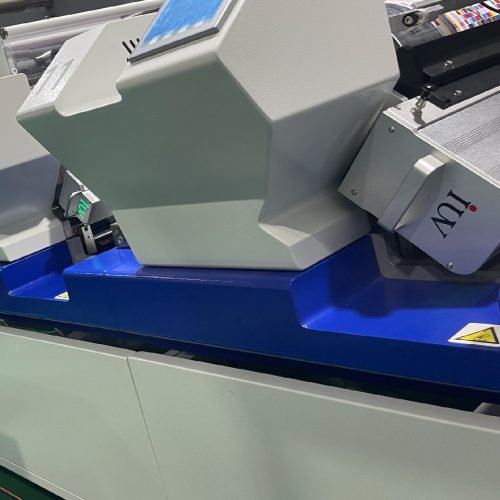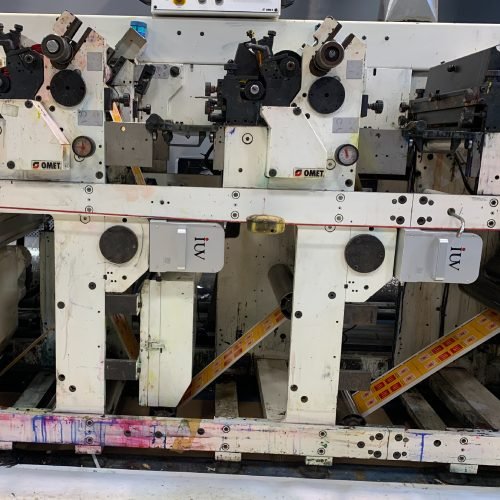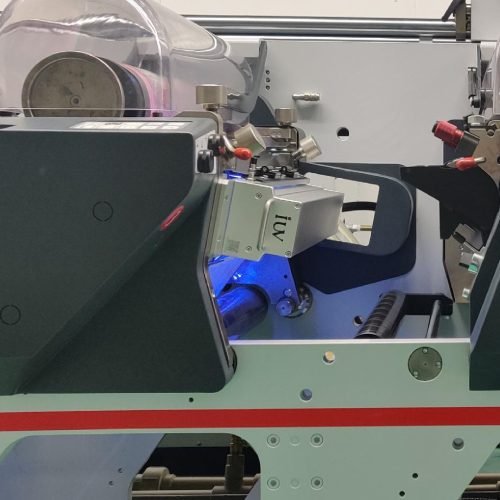
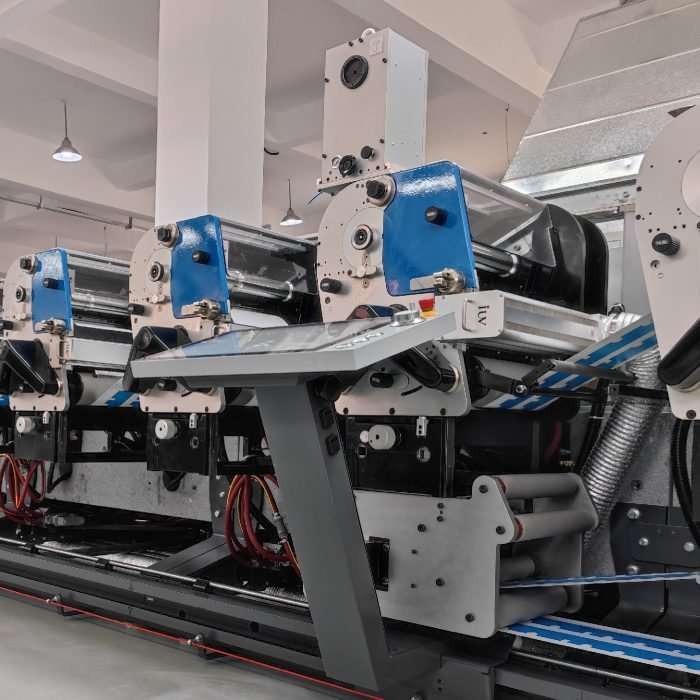
Retrofitting older presses with LED curing systems isn’t just a trend—it’s a practical upgrade that cuts energy costs, slashes downtime, and sharpens print quality. For operations running flexo, offset, or narrow-web presses, the shift to LED-UV can solve persistent pain points like heat-sensitive substrate warping or slow curing speeds. Let’s break down how to approach this conversion without overcomplicating things.
Start by auditing your existing setup. Not all presses retrofit the same way. A 10-year-old narrow-web label press might need different LED array placements compared to a sheetfed offset machine. Measure the physical space around print units—LED modules are compact but require proper heat dissipation. Check power supply compatibility; most modern LEDs run on standard voltage, but older presses might need updated wiring. Don’t forget substrate compatibility testing. While LED-UV works on most materials, some specialty films or metallic papers may require adjusted wavelengths.
Ditch the mercury vapor mindset. Unlike traditional UV systems, LEDs don’t need warm-up time or ozone exhaust systems. That means you can lose the ductwork hogging your floor space. Focus on spectral matching instead—ensure the LED’s peak wavelength (typically 365-395nm) aligns with your photoinitiators. For label printers using low-migration inks, opt for LEDs with tighter wavelength tolerances to prevent uncured residuals.
Integration is where shops stumble. Retrofitting isn’t just bolting on lights. Sync the LED controls with press speed. A good rule: curing energy should scale linearly with press velocity. If you’re running a flexo press at 600 fpm, the system should automatically adjust irradiance to maintain 0.3-0.5 J/cm² exposure. Add spectral sensors for real-time monitoring—smart curing prevents under/over-exposure disasters.
Ventilation still matters. While LEDs generate less heat than arc lamps, high-intensity arrays can still warm substrates. For narrow-web converters handling thin films, even a 10°C temperature swing causes registration nightmares. Solution: position forced-air cooling nozzles between print stations. It’s cheaper than liquid-cooled LEDs and handles 95% of thermal issues.
Training your crew takes a day, not weeks. The main shift? Operators need to think in terms of irradiance (mW/cm²) rather than lamp power. Create a cheat sheet: 300 mW/cm² cures standard inks at 200 fpm; bump to 450 mW for white inks or metallized stocks. Keep a UV integrator handy—it’s the multimeter of curing, verifying total energy delivery.
Cost recovery comes faster than you’d guess. A mid-sized label press converting to LED-UV typically sees ROI in 14-18 months. The math: mercury lamps eat $3k annually in energy and bulb replacements. LEDs cut that by 70%. Add the productivity boost from instant on/off curing, and you’re saving 30 minutes daily on lamp warm-ups. For a shop billing $200/hr, that’s $36k/year in recovered capacity.
Substrate compatibility expands post-retrofit. Suddenly you can cure on heat-sensitive materials like thin-gauge PET or unsupported vinyls—markets that were off-limits with mercury’s infrared bleed. One packaging printer landed a premium wine label contract just by switching to LEDs; the low heat let them print on delicate cork-paper blends.
Maintenance shrinks to almost nothing. No more quartz sleeve cleanings or electrode replacements. LED arrays last 20,000 hours—about 5 years in single-shift operations. When they finally dim, modular designs let you swap individual emitters without shutting down the press. Keep spare modules in stock; they’re smaller than a smartphone.
The hidden advantage? Sustainability storytelling. Brands love suppliers using LED-UV—it’s mercury-free, cuts energy use by half, and qualifies for green certifications. Update your marketing materials to highlight the retrofit. One converter saw a 22% increase in eco-conscious client RFQs after adding “LED-cured” to their capability list.
Still hesitant? Run a pilot. Convert one print station first. Test across substrates and inks—you’ll notice sharper dots from reduced heat distortion. Track energy meters pre/post installation. Most shops become evangelists after seeing the first month’s power bill.
The pressroom of tomorrow isn’t about buying new kit—it’s about smart upgrades. Retrofitting LEDs bridges the gap between legacy equipment and cutting-edge efficiency. Your competitors are either doing it now or planning to. Where do you want to be when the next big job specs LED-cured labels?