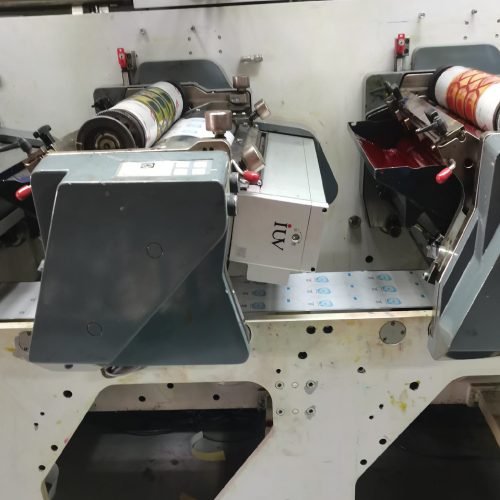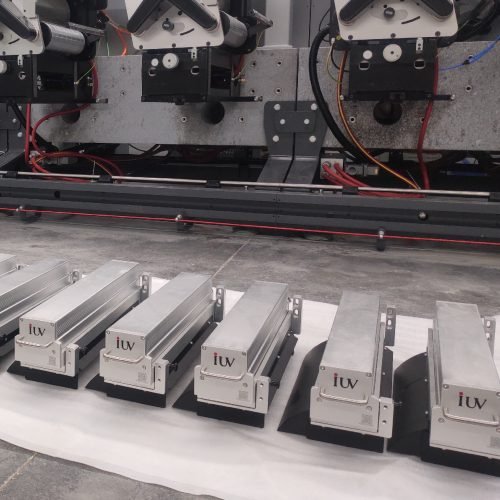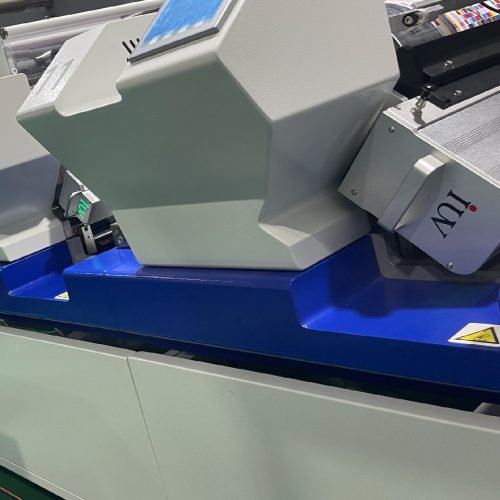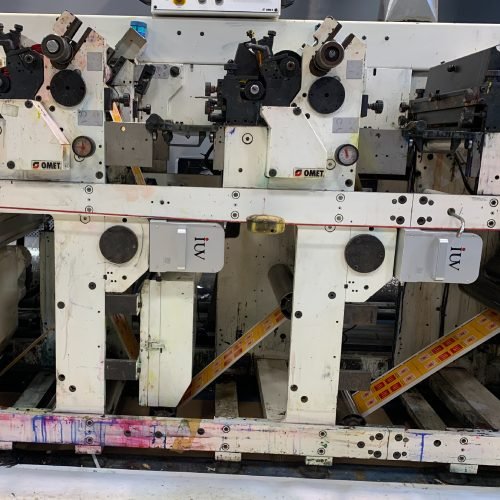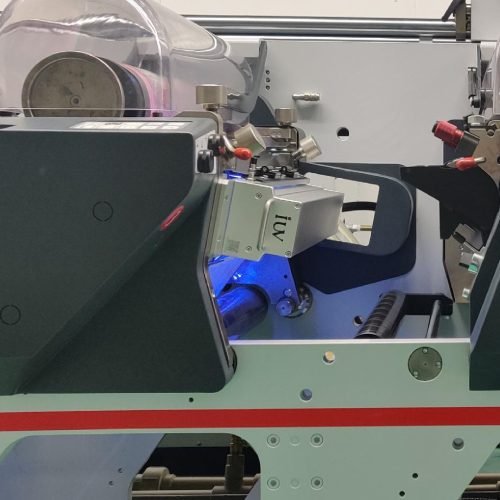
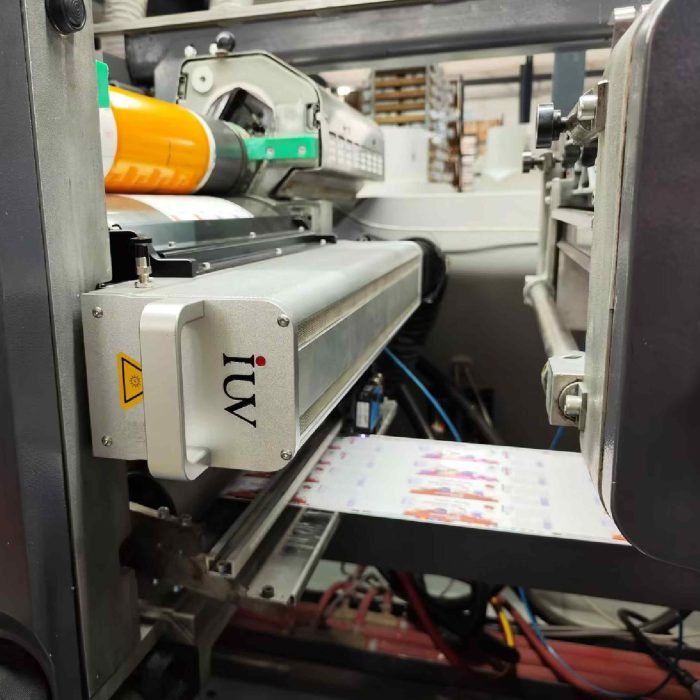
Offset printing meets LED curing systems – a pairing reshaping how commercial and packaging printers approach high-volume jobs. Unlike conventional UV drying methods, LED-UV technology delivers instant curing without excessive heat or ozone emissions. This matters for operations running narrow web presses, sheetfed machines, or hybrid setups combining flexo and offset units.
The mechanics are straightforward. LED arrays emit specific wavelengths (typically 365-405 nm) that activate photoinitiators in UV inks. Immediate polymerization occurs, locking pigments into substrates without solvent evaporation. For label converters handling pressure-sensitive materials, this eliminates coating delamination risks from residual solvents. Cold curing prevents film distortion in thin BOPP labels – a persistent headache with thermal drying tunnels.
Energy consumption metrics reveal another layer of advantage. Traditional mercury vapor lamps operate at 20-30% efficiency, wasting 70% power as heat. LED systems reverse this ratio. A 40W LED unit often outperforms 120W mercury lamps in cure speed while drawing 66% less juice. Over 24/7 production schedules, this slashes kWh consumption and HVAC loads. Print shops in regulated markets (EU energy directives, California Title 24) gain compliance leverage without retrofitting entire facilities.
Substrate versatility expands with LED-UV. Heat-sensitive materials like thin-gauge PE films or metallic foils withstand curing without warping. Cold foil stamping immediately after printing becomes viable since adhesives set instantly under UV exposure. For folding carton producers, this enables inline foiling/embossing without separate offline processes.
Ink chemistry plays collaborator. Modern LED-curable formulations incorporate monomers with lower viscosity than conventional UV inks, improving dot gain control on offset presses. Print operators report 15-20% density consistency improvements on coated stocks compared to water-based inks. The absence of volatile organics (VOCs) meets escalating sustainability mandates – crucial for brands targeting eco-conscious consumers.
Maintenance intervals tell their own story. Mercury lamp systems require reflector cleaning, electrode replacements, and quartz tube changes every 1,000-2,000 hours. LED units need lens wipes and occasional diode replacements at 20,000 hour marks. Downtime reduction proves critical for contract printers juggling tight deadlines across pharmaceutical labels, shrink sleeves, and promotional packaging.
Hybrid configurations are gaining traction. Several European press manufacturers now offer offset units with interchangeable LED and EB (electron beam) curing – the latter for ultra-thick coatings on blister packs. This modularity future-proofs capital investments as material science evolves.
The operational math compels attention. While LED curing units carry 25-40% upfront cost premiums over mercury systems, the ROI narrative strengthens with energy bills. A mid-sized printer running two shifts can recoup the differential in 18-24 months through reduced power draw and HVAC savings. Factor in eliminated lamp disposal costs (mercury is hazardous waste) and productivity gains from instant on/off capability, the case becomes arithmetic rather than speculative.
Material compatibility continues broadening. Recent trials show successful LED curing on bio-based PLA films, conductive inks for printed electronics, and ceramic decals – all previously problematic for thermal methods. As UV-LED wavelengths become more tunable (some systems now offer 385nm and 395nm options), adhesion challenges on polyolefins and untreated PET substrates are dissolving.
For specialty printers, the technology unlocks hybrid techniques. Imagine offset-printed metallic inks cured by LED, then overprinted with flexo white for opaque underbases – all inline. Or combining screen-printed textures with offset litho’s halftones, cured simultaneously. These process integrations were impractical when drying methods operated at different thermal thresholds.
The workforce impact shouldn’t be underestimated. Traditional UV systems demand rigorous safety protocols – skin protection, fume extraction, hot surface warnings. LED setups operate at ambient temperatures with no ozone byproducts. Training time for new press operators drops measurably, while incident reports related to burns or chemical exposure plummet.
On the environmental ledger, the numbers speak. Switching to LED-UV can reduce a print facility’s carbon footprint by 8-12% annually – equivalent to taking 15-20 passenger vehicles off the road. When combined with solvent-free inks and renewable energy sourcing, it positions printers as sustainability partners rather than compliance entities.
The next evolution is already visible. Presses with variable LED intensity controls allow curing adjustments for different ink film thicknesses within a job. Imagine printing a catalog with standard CMYK plus a heavy spot varnish – the LED system automatically ramps up power for the varnish unit while maintaining lower settings for process colors. This precision prevents substrate stress and optimizes energy use in real time.
For converters weighing retrofits versus new purchases, the market offers adaptable solutions. Many existing UV curing units can be upgraded with LED modules, preserving the original housing and power connections. It’s a bridge strategy for shops needing immediate benefits while planning full press replacements down the line.
In the realm of color management, LED’s consistent output aids spectrophotometers. Fluctuating curing intensities (common in aging mercury lamps) can alter color perception during inline measurement. Stable UV wavelengths ensure color control systems receive accurate data, reducing waste from false corrections.
The narrative isn’t without caveats. LED-curable inks still command 10-15% price premiums over conventional UV formulations. However, waste reduction from faster setup times and fewer test sheets often offsets this differential. Printers moving from water-based to UV-LED systems typically see 18-22% material cost savings from reduced ink drying and substrate warping.
Looking across pressrooms – from 20-inch label machines to 64-inch sheetfed behemoths – the pattern holds. Faster job turnover, broader material options, and shrinking environmental liabilities form a triad too compelling to ignore. As substrate innovations and energy regulations accelerate, LED-UV in offset printing transitions from advantageous to inevitable.