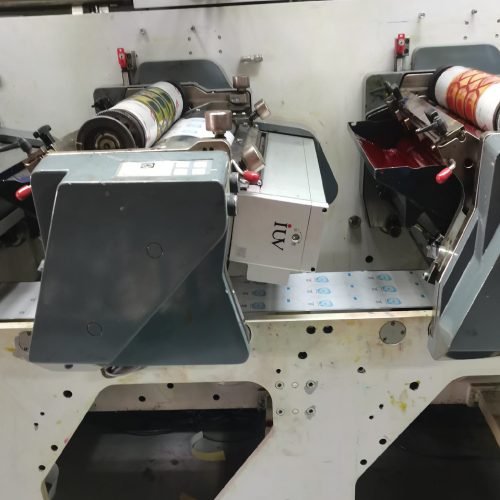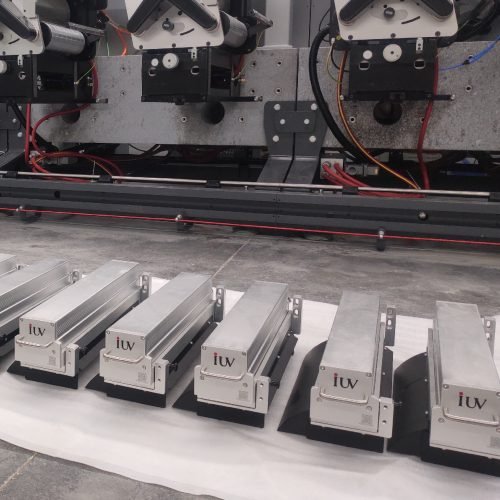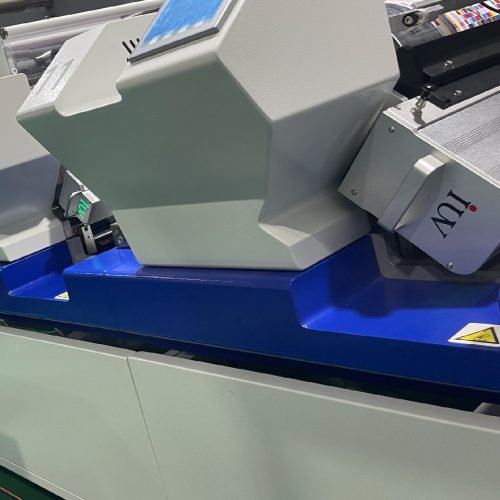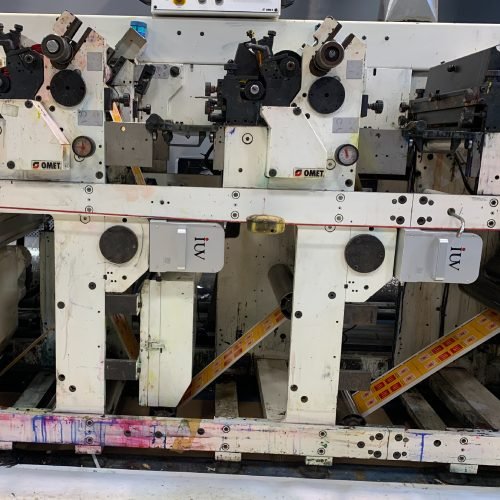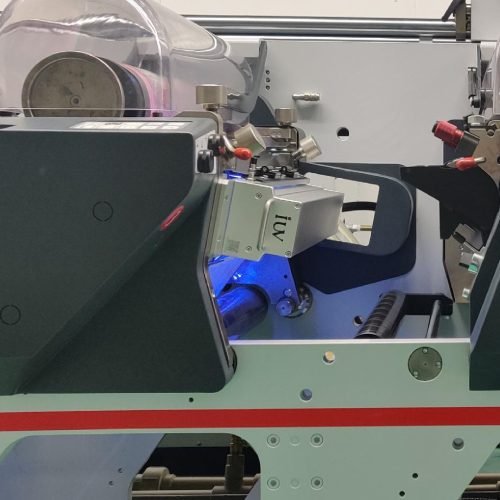
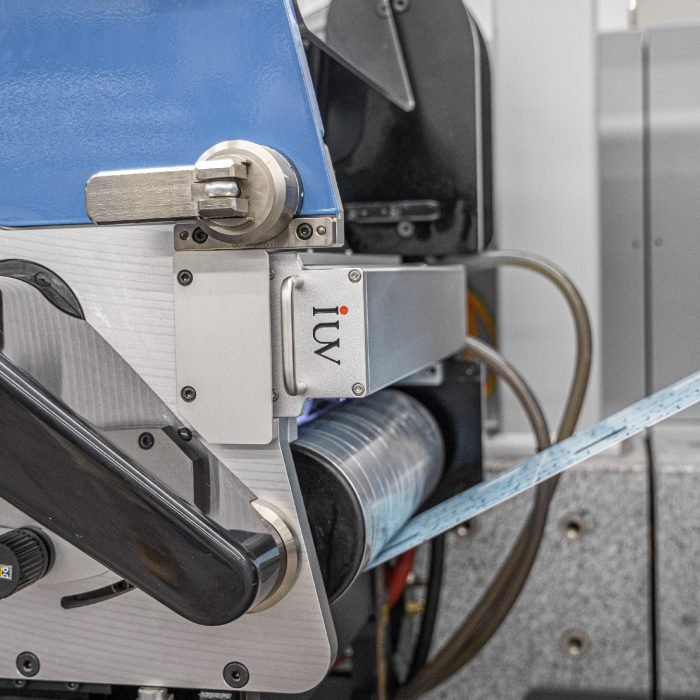
Maintaining an LED curing system isn’t just about avoiding breakdowns—it’s about maximizing performance for consistent print quality across label, flexo, offset, and narrow-web applications. Let’s break down actionable strategies tailored to UV curing in printing environments.
Dust Is the Silent Killer
Print shops generate particulates—paper fibers, ink mist, coating residues. These accumulate on LED lenses and reflectors, scattering UV light. A 15% drop in irradiance can lead to incomplete curing in sensitive applications like shrink-sleeve labels. Use compressed air (oil-free, 15-30 PSI) for daily lens blowing. For monthly deep cleaning, apply isopropyl alcohol (70-90% purity) with lint-free swabs. Avoid acetone—it degrades silicone lens coatings.
Thermal Management Isn’t Optional
LED junctions fail faster when heat-soaked. Check heatsink fins quarterly—clogged fins in flexo presses running white inks (high UV absorption) can spike temps by 20°C. Use thermal cameras to identify hotspots. For narrow-web systems, verify airflow paths aren’t blocked by substrate guides. Replace cooling fans every 18-24 months; bearing wear reduces airflow by up to 40%.
Power Supply Diagnostics
Voltage fluctuations kill drivers. Use a true-RMS multimeter to check ripple current—anything above 300mA in 48V systems indicates capacitor aging. Label printers with frequent job changes: log current draw during ramp-up. Sudden spikes suggest failing MOSFETs. Keep spare drivers for high-use wavelengths (365nm and 395nm in most UV offset setups).
Spectral Matching Matters
That UV ink formulated for 385nm LEDs? Running it at 395nm requires 30% more power. Use a radiometer to confirm peak wavelength alignment. In hybrid systems (LED mercury), schedule spectral checks every 500 operating hours. For multi-color narrow-web presses, map irradiance across web width—±10% variation causes cure differentials in overprint varnishes.
Operational Discipline
Cold starts stress LEDs. Implement a 90-second ramp-up for systems below 15°C. In sheetfed offset, avoid “burst mode” curing—pulsing above 100% power cuts diode life by half. Track on/off cycles: 50 startups/day vs. continuous operation impacts longevity differently. For LED-ink compatibility, audit suppliers quarterly—photoinitiator packages change.
Mechanical Wear Points
Conveyor bearings in label systems: Lubricate with NSF H1 grease monthly. Check LED array mounts—vibration from flexo plate cylinders loosens screws. Inspect water-cooled systems (common in high-power sheetfed UV) for pump cavitation noise. Replace O-rings in chillers annually to prevent glycol leaks onto reflectors.
Environmental Factors
Humidity above 60% RH promotes corrosion on driver boards. Use nitrogen purge systems in coastal regions. For cold storage of UV coatings near curing stations, maintain 2m separation—condensation risks during material warm-up.
Software Updates
Modern LED controllers have adaptive algorithms. Update firmware biannually—new duty-cycle optimizers can reduce thermal stress by 18%. Export performance logs monthly: forward voltage trends predict diode degradation.
Waste Nothing
Collect spent LEDs for precious metal recovery—gold wire bonding is standard. Partner with e-waste firms certified for gallium nitride handling.
Consistency beats heroics. A press operator logging daily irradiance readings catches declines before print defects appear. A maintenance tech analyzing thermal images during PMs spots failing fans early. That’s how shops achieve 50,000 hour LED lifespans while maintaining ±2% cure consistency across jobs. The ROI isn’t just in parts saved—it’s in press uptime and customer trust.
Pro tip: Laminate a spectral output chart near the curing station. When troubleshooting, compare current radiometer readings to baseline. Drifts don’t lie.