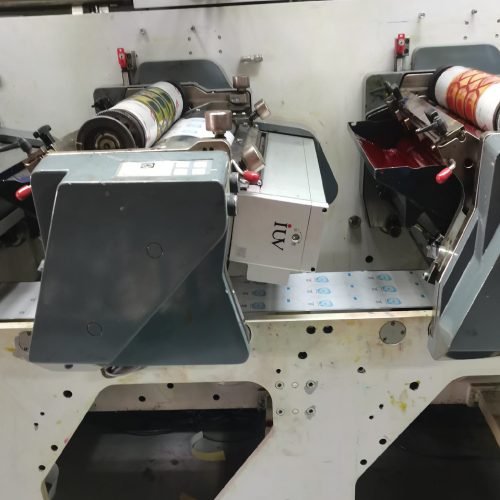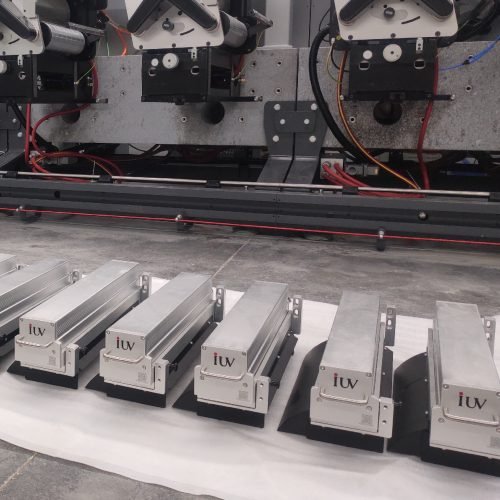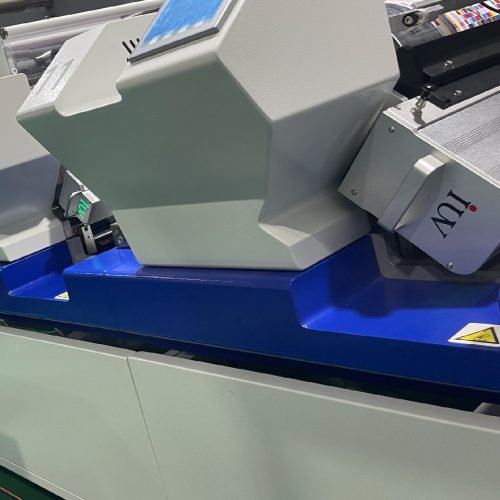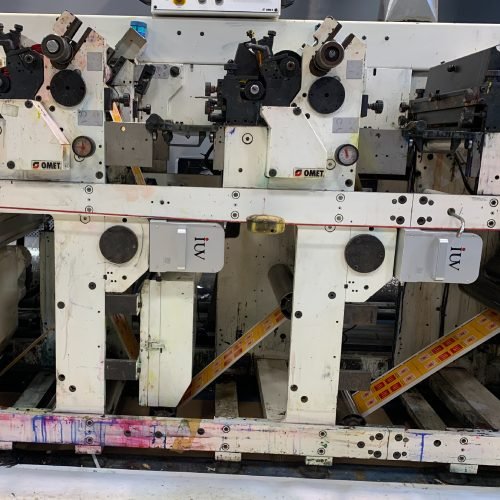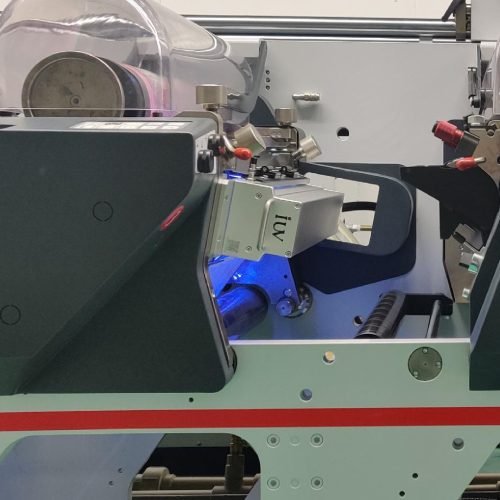
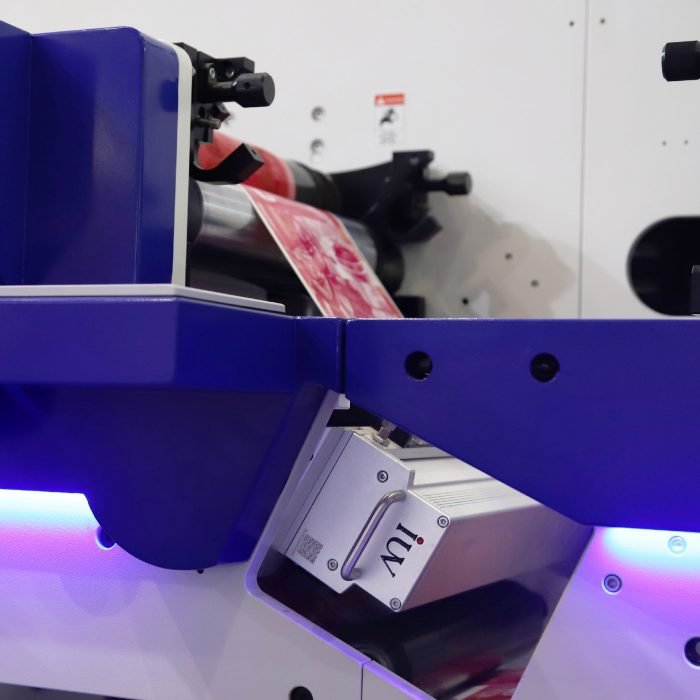
The shift toward sustainable practices in printing isn’t just a trend—it’s a necessity. As industries face tighter environmental regulations and consumer demand for greener products, LED curing systems have emerged as a game-changer. Unlike traditional mercury-vapor lamps, LED UV technology slashes energy use, eliminates hazardous waste, and streamlines production across label, flexo, offset, and narrow-web printing. Let’s unpack how this innovation is reshaping the industry.
Energy Efficiency Without Compromise
Traditional UV curing relies on mercury lamps that guzzle power and require warm-up cycles. LED systems activate instantly, cutting idle time and reducing energy consumption by up to 70%. For flexo printers running high-speed jobs, this translates to lower operational costs and a smaller carbon footprint. Labels requiring quick turnaround times benefit from LEDs’ ability to cure inks at 600 feet per minute without overheating delicate substrates.
Toxic Output? Not Here
Mercury-based lamps release ozone and require toxic quartz sleeves for operation. LED UV units generate zero ozone emissions and contain no hazardous materials. In offset printing, where fine details matter, this cleaner process prevents chemical interactions that could degrade print quality. Narrow-web applications—think food packaging or medical labels—gain an extra layer of safety since LED-cured inks meet stringent FDA and EU compliance standards.
Waste Reduction Across the Board
Instant on/off capability means no wasted energy during job changes or breaks. Flexo printers using LED systems report 30% less ink waste due to precise curing that prevents dot gain. For label converters, this accuracy allows thinner ink films without sacrificing opacity—critical for metallic or white inks. Sheetfed offset shops benefit from reduced paper waste, as LEDs cure inks without warping substrates, even on heat-sensitive materials like thin films or synthetic papers.
Longevity Meets Performance
While mercury lamps degrade after 1,000 hours, LED modules maintain consistent output for 20,000 hours. This reliability is gold for narrow-web printers running 24/7 batches. UV-A and UV-C wavelengths can be tuned to specific chemistries, giving flexo printers unprecedented control over curing depth. In label production, this means scratch-resistant finishes on wine bottles or freezer-safe adhesives that withstand temperature swings.
The Substrate Revolution
LEDs’ cool operation unlocks new material possibilities. Offset printers can now work with PET, BOPP, and even biodegradable films that would melt under conventional UV heat. Flexo shops leverage this to print on unsupported vinyls for industrial tags or ultrathin liners for medical devices. The technology’s compatibility with water-based UV inks—a growing niche in sustainable packaging—eliminates VOC emissions entirely.
Real-World Impact
A European label converter switching to LED curing cut its annual energy bill by €48,000 while reducing CO₂ emissions equivalent to planting 1,200 trees. A North American flexo printer eliminated 18 tons of hazardous waste yearly by ditching mercury lamps. These aren’t outliers—they’re benchmarks for an industry in transition.
Maintenance Simplified
No bulb replacements. No reflector cleaning. LED systems slash downtime, a critical factor for narrow-web shops handling short runs. Built-in sensors monitor wavelength intensity, alerting technicians before performance dips. For offset printers juggling complex color profiles, this consistency ensures perfect registration across every sheet.
The Cost Myth Debunked
While LED units carry higher upfront costs, the ROI timeline keeps shrinking. One label printer recouped its investment in 14 months through energy savings alone. Factor in reduced waste, compliance benefits, and the ability to charge premium rates for eco-conscious clients, and the math becomes undeniable.
From blister packs to shrink sleeves, LED curing proves sustainability and efficiency aren’t mutually exclusive. As ink chemists develop formulations tailored to specific wavelengths, and equipment manufacturers integrate smarter cooling systems, this technology’s potential keeps expanding. The question isn’t whether to adopt LED UV—it’s how fast your operation can adapt to lead the green printing revolution.