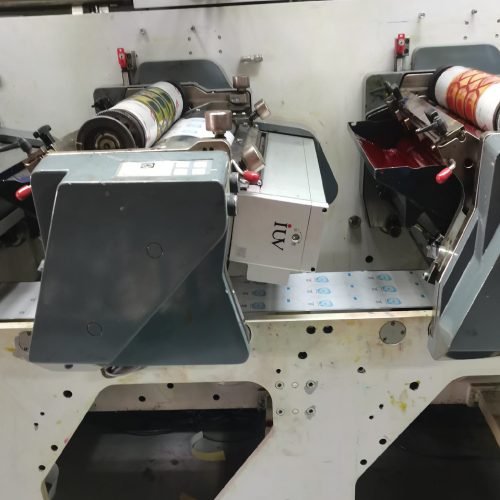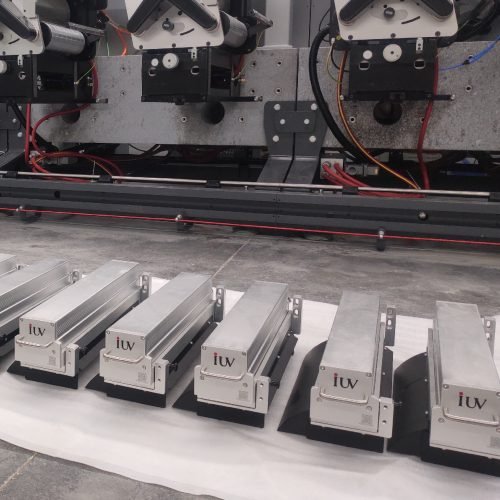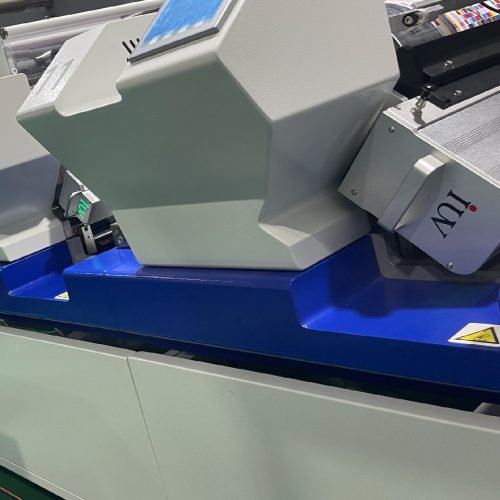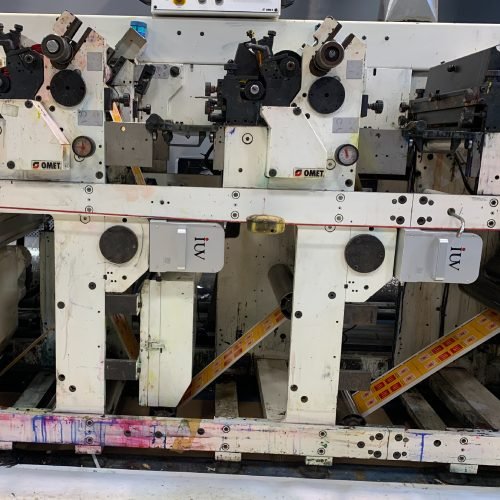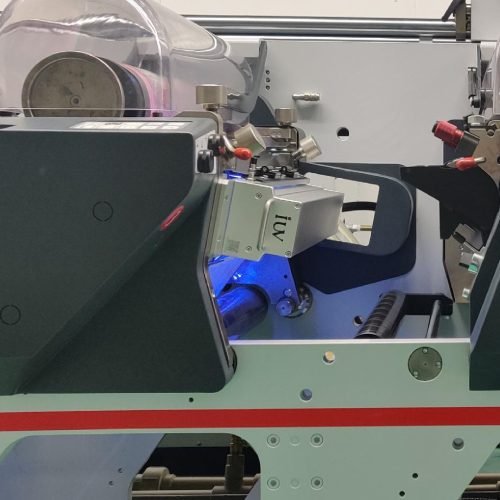
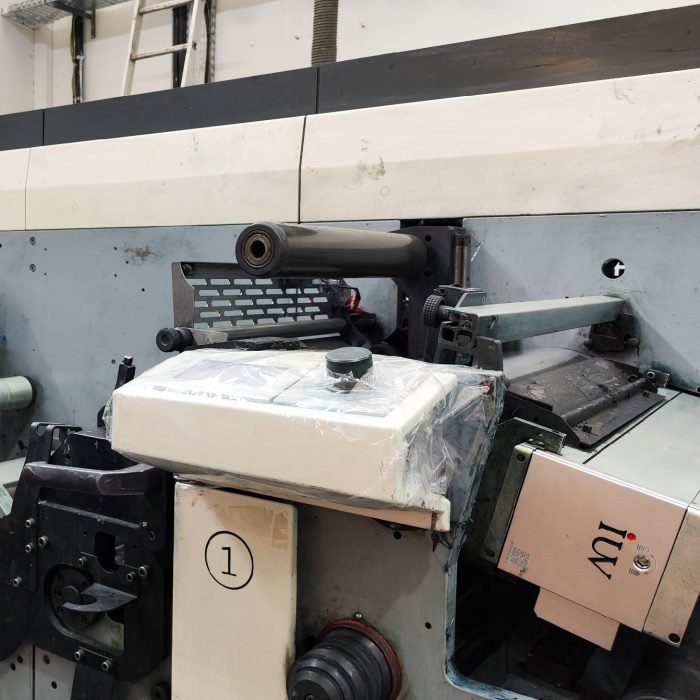
The shift toward UV LED curing systems in packaging printing isn’t just a trend—it’s a strategic overhaul. Printers juggling tight deadlines, evolving sustainability mandates, and complex substrate demands are finding traditional mercury-vapor lamps increasingly inadequate. Here’s how UV LED technology is rewriting the rules for label, flexo, offset, and narrow-web applications.
Speed Meets Precision in Label Printing
Label printers thrive on detail. Whether it’s a wine bottle’s metallic finish or a cosmetic label’s tactile coating, UV LED curing delivers instant drying without compromising fine lines or small text. Unlike conventional systems that struggle with heat-sensitive materials, LED arrays emit negligible infrared radiation. This means polyester films, heat-sensitive adhesives, and thin papers stay flat, eliminating warping or shrinkage. No more waiting for materials to cool before die-cutting or finishing.
Flexo’s Quiet Revolution
Flexographic printers face a paradox: faster press speeds often lead to higher defect rates. Traditional UV lamps require slower line speeds to ensure full curing, especially with opaque whites or thick ink layers. UV LED systems output consistent intensity from startup, allowing presses to ramp up immediately. One converter reported a 22% throughput increase on flexible packaging jobs after switching, citing reduced ink misting and sharper dot reproduction. The absence of warm-up cycles also means fewer wasted substrates during job changes.
Offset’s Energy Pivot
Sheetfed offset operators are leveraging UV LED to tackle two pain points: energy bills and substrate limitations. A typical 40-inch press with mercury lamps consumes 60-90kW hourly. LED equivalents slash this by 50-70%, with some hybrid systems idling at 10% power between sheets. Cold curing also unlocks printing on thermally sensitive stocks like thin foils, PVC-free plastics, and pre-laminated boards. One carton manufacturer eliminated blistering on chocolate box coatings by adopting LED, citing a 3-month ROI through energy savings alone.
Narrow-Web’s Flexibility Boost
In tags, sleeves, and shrink labels, narrow-web printers juggle short runs and rapid job turnover. Mercury lamps’ degradation over time forces frequent intensity checks to avoid under-curing. UV LED’s stable output across 20,000 hours eradicates this variability. A tag printer running 12-hour shifts reduced ink waste by 18% post-switch, as curing consistency minimized trial runs. The compact size of LED modules also enables retrofitting older presses without major mechanical overhauls.
Chemistry’s Silent Shift
Behind the hardware lies a quieter transformation: UV LED-compatible inks. Early adopters faced formulation hurdles, but today’s acrylate oligomers and photoinitiators are engineered for narrow-wavelength LED output (365-405nm). These inks achieve full cure with 30% less photoinitiator content compared to mercury-lamp formulations, reducing odor and VOCs. A major ink supplier’s tests show LED-cured inks exhibit 20% higher abrasion resistance—critical for e-commerce packaging surviving automated sorters.
The Sustainability Equation
While energy savings grab headlines, UV LED’s environmental edge runs deeper. Mercury lamps require hazardous waste disposal and consume 3-5 replacement bulbs annually. LED systems eliminate mercury entirely and last 10x longer. When a European converter compared carbon footprints, LED curing cut their print process emissions by 41%, factoring in reduced cooling needs and waste.
Cost Myths Debunked
The upfront cost of UV LED still gives some printers pause. Yet total cost analyses reveal surprises. A label converter’s 3-year audit showed mercury systems cost $18,000 annually in bulbs, energy, and cooling. Their LED retrofit hit $6,500/year with no bulb replacements. Add reduced downtime from instant on/off capabilities, and the math tilts decisively.
As substrates diversify and energy regulations tighten, UV LED curing is becoming less optional and more foundational. Printers who dismissed it as a “future technology” now face competitors producing faster, cleaner, and on materials they can’t touch. The question isn’t whether to switch—it’s how to phase it in without disrupting current workflows. Hybrid curing systems, modular LED units, and upgraded ink delivery networks are bridging the transition, proving adaptability is as vital as the technology itself.