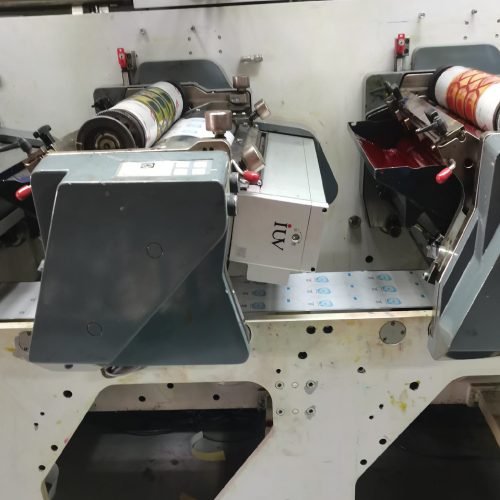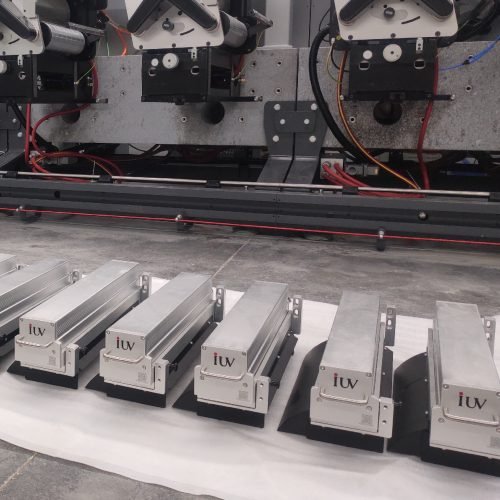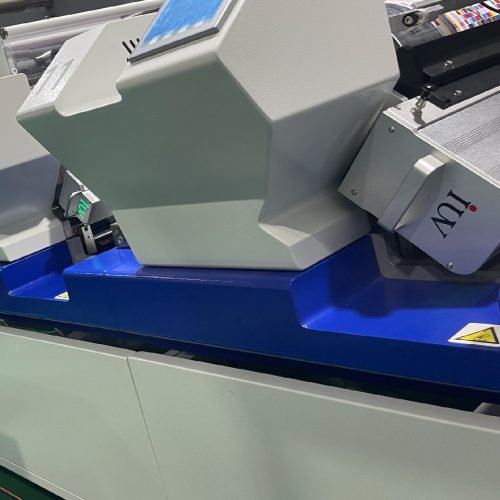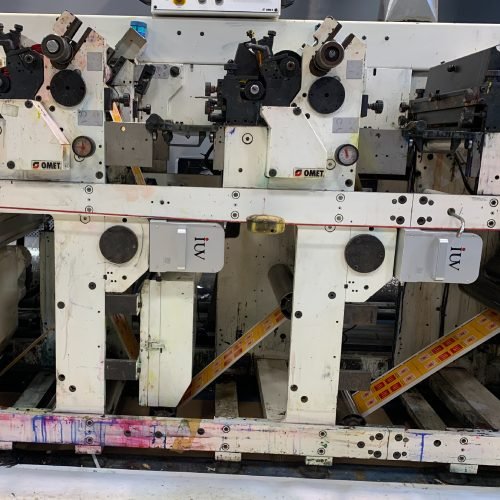
The printing industry constantly battles heat-related challenges, especially in sensitive applications like label production and narrow web printing. Traditional curing methods often force compromises between production speed and material integrity. UV LED curing systems emerge as a game-changer, particularly for heat-sensitive substrates in flexographic, offset, and specialty printing environments.
Excessive heat from conventional drying methods warps thin label stocks, compromises adhesive performance, and limits design possibilities. In flexo printing, thermal expansion of photopolymer plates causes registration issues that UV LED systems eliminate through instant curing at lower temperatures. Offset printers benefit from reduced paper cockling and improved color consistency when using cold-cure inks.
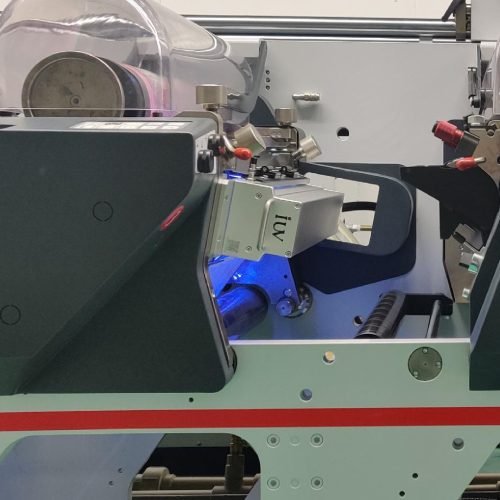
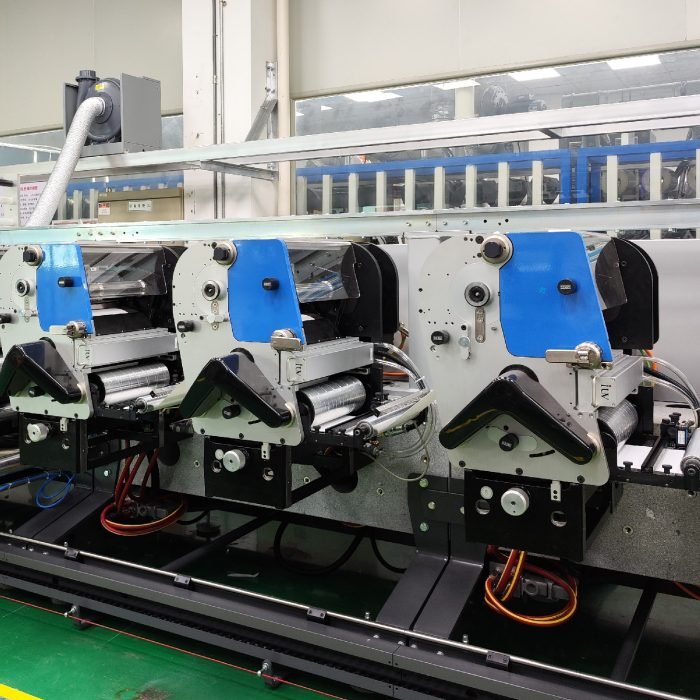
Narrow web converters face unique thermal management challenges due to limited space and fast production speeds. UV LED arrays provide directional curing without heating surrounding components, maintaining dimensional stability in delicate packaging materials. The technology operates at specific wavelengths (365-405nm), triggering precise photopolymerization without generating excess infrared radiation.
Three critical advantages define UV LED curing in thermal-sensitive scenarios:
- Instant on/off capability removes preheating delays, saving 15-20% energy compared to mercury lamps
- 50-70% less heat radiation preserves substrate integrity in thin-film labeling and shrink sleeve applications
- Consistent spectral output maintains cure quality across long runs without output degradation
Label printers using UV LED report 30% faster job turnover when switching between heat-sensitive materials like PE films and paper stocks. The absence of ozone generation removes ventilation requirements, simplifying pressroom layouts. Flexo operations achieve sharper dot reproduction as plates remain stable without thermal cycling.
Offset applications demonstrate improved ink trapping with LED-cured coatings, enabling complex graphics on temperature-sensitive bookbinding materials. Sheetfed printers note reduced warping in heavyweight stocks, minimizing post-press finishing issues. Narrow web converters leverage the technology for inline cold foiling and embossing without compromising adhesive bonds.
Material compatibility expands with UV LED systems. Sensitive substrates like BOPP films, thermal transfer labels, and pressure-sensitive adhesives maintain performance characteristics through low-temperature curing. Food packaging converters achieve compliance with migration limits more easily due to complete ink polymerization at lower thermal loads.
Energy consumption patterns shift dramatically with LED adoption. A typical 20-inch curing unit draws 8-12 kW compared to 25-40 kW for conventional systems. The directional nature of LED output increases efficiency – 35% of emitted energy initiates curing reactions versus 15% in broad-spectrum systems.
Print operators require new protocols for UV LED maintenance. Regular lens cleaning (weekly) and reflector inspections (monthly) maintain optimal irradiance levels. Thermal management remains crucial despite lower operating temperatures – properly designed heat sinks extend LED life beyond 20,000 hours.
Substrate-specific curing profiles replace universal settings. Polyester labels might require 300 mJ/cm² at 395nm, while paperboard packaging could need 450 mJ/cm² at 385nm. Successful implementations involve collaboration between ink chemists, LED engineers, and press operators to balance cure speed with material constraints.
Retrofitting existing presses demands careful analysis of power requirements and space constraints. Modern UV LED arrays fit into traditional curing housings with modified electrical connections. Some converters report ROI within 18 months through energy savings and reduced substrate waste.
The technology continues evolving – newer LED models achieve irradiance levels exceeding 20 W/cm², enabling faster line speeds for heat-sensitive applications. Dual-wavelength systems (365 395nm) now cure thick opaque whites and clear coatings simultaneously. Advanced cooling systems using phase-change materials push operational limits in high-temperature pressrooms.
Print buyers increasingly specify UV LED-cured products for sustainability claims. The combination of mercury-free technology and reduced energy consumption aligns with corporate ESG goals. Marketing teams leverage these attributes for eco-conscious branding without compromising print quality.
Implementation challenges persist in some areas. Pigment-rich black inks require optimized photoinitiator packages for complete curing. Certain specialty coatings need modified resin formulations to achieve desired surface properties under LED exposure. Ongoing material development continues to close these gaps.
As regulatory pressure increases on mercury-based technologies, UV LED systems position printers for compliance and future growth. The ability to handle emerging substrates like biodegradable films and smart packaging materials creates new market opportunities. Print service providers adopting this technology report increased margins through premium services and reduced operational costs.
The transition to UV LED curing represents more than equipment upgrades – it redefines thermal management strategies across printing processes. From label converters to packaging specialists, operations gain flexibility in substrate selection while improving environmental footprints. This technology doesn’t just reduce heat impact; it reshapes fundamental assumptions about print production limitations.