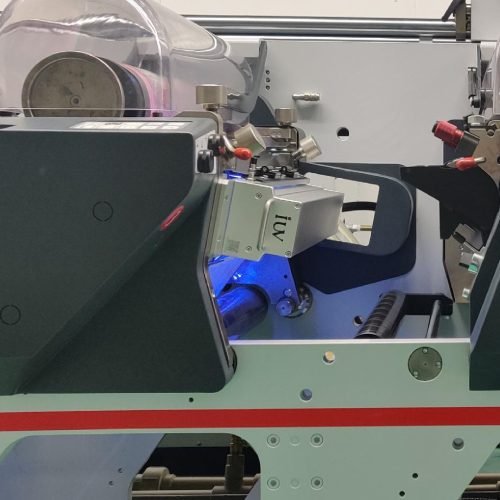
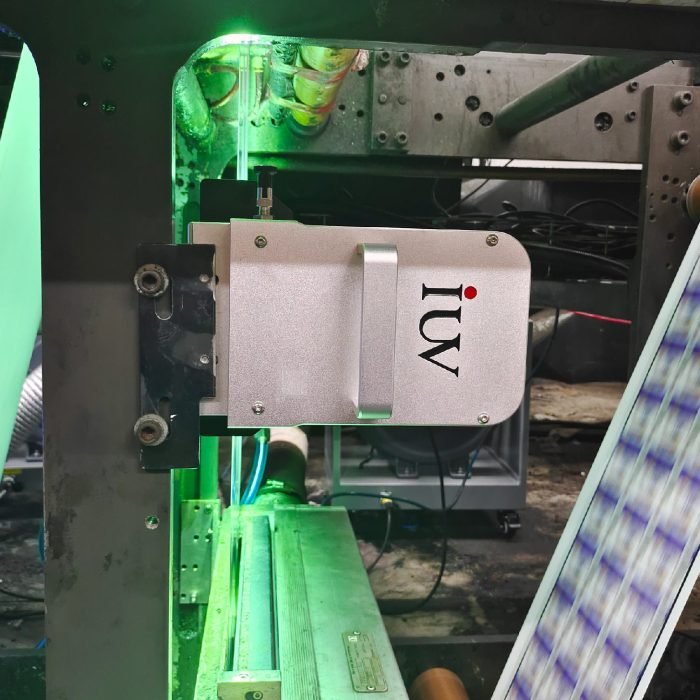
The integration of UV LED curing systems into security and specialty label printing has redefined efficiency and precision in an industry where durability, speed, and adaptability are non-negotiable. Unlike traditional mercury-vapor UV lamps, UV LED technology delivers instant on-off capabilities, reduced heat output, and energy savings exceeding 70%. For printers specializing in tamper-evident labels, holographic overprints, or chemical-resistant tags, this shift isn’t just technical—it’s transformational.
Security labels demand exacting standards. Anti-counterfeiting features like microtext, guilloche patterns, or optically variable inks require curing systems that lock these elements into place without compromising substrate integrity. UV LED’s narrow-spectrum output (typically 365-405 nm) allows precise targeting of photoinitiators in specialty inks and coatings. This eliminates overspreading or under-curing risks common with broadband UV lamps, particularly when working with heat-sensitive materials such as thin polyester films or destructible vinyl.
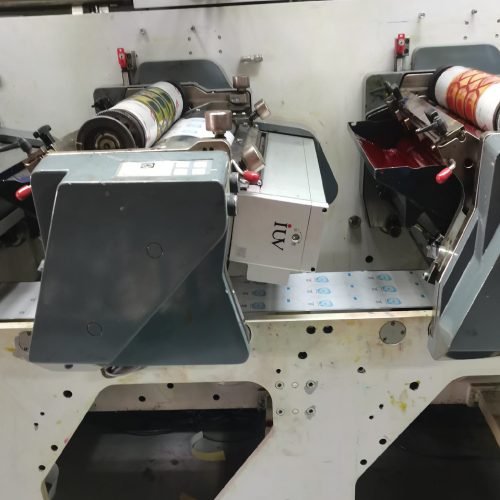
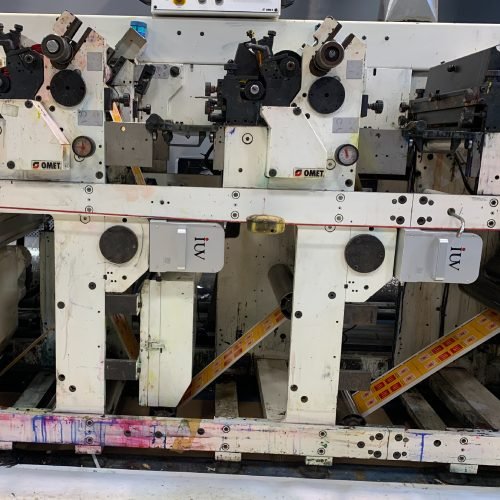
In flexographic printing for labels, UV LED compatibility with water-based and solvent-free inks reduces drying tunnels’ dependency. Narrow web presses benefit from the compact size of LED arrays, enabling tighter registration control for multi-layer security features. A 10-color flexo press running metallic inks and scratch-off coatings, for instance, can maintain line speeds of 200 fpm with LED curing stations positioned between print units. The absence of ozone emissions also simplifies ventilation needs—a plus for facilities upgrading older equipment to meet sustainability targets.
Offset printers adopting hybrid workflows for high-security applications—think banknote-inspired designs or RFID-enabled labels—leverage UV LED’s ability to cure thick ink films in a single pass. Overprint varnishes with tactile effects or matte/gloss contrasts set instantly, preventing set-off issues during sheet stacking. For metallic offset inks, which are prone to oxidation, the inert environment created by nitrogen inertization pairs seamlessly with LED curing to preserve color fidelity.
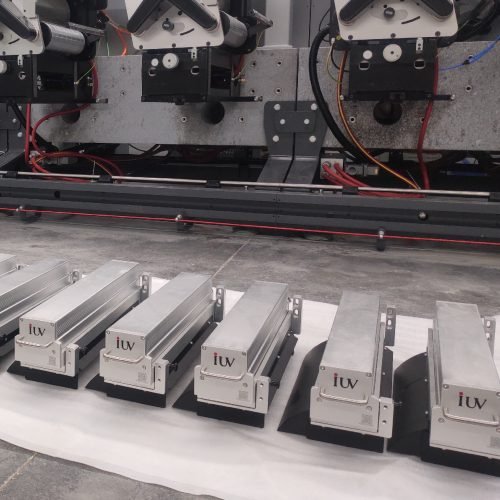
Narrow web printing’s shift toward thinner, more flexible substrates aligns perfectly with UV LED’s cold-cure advantage. Polypropylene labels for chemical drums or freezer-grade adhesives no longer warp under excessive heat. LED systems also excel in curing opaque whites and varnishes on clear BOPP films, a common requirement for premium branding and anti-tamper labels. With modular LED units, converters can retrofit existing presses without overhauling entire drying systems—a cost-effective move for shops handling short runs of specialty tags.
Energy efficiency metrics tell part of the story: A 30-inch UV LED module consumes roughly 6 kW compared to 25 kW for conventional UV. But the operational gains run deeper. Instant curing eliminates the need for warm-up cycles, reducing machine downtime between jobs. In facilities running 24/5 production, this adds days of annual uptime. Maintenance intervals stretch longer too—LED systems lack electrodes or gas-filled bulbs that degrade with use.
Material science advancements further amplify UV LED’s role. Photoinitiators tuned to 395 nm wavelengths now enable curing of black inks and deep-colored coatings, historically challenging due to light absorption. For security printers using carbon-black layers in anti-static labels or conductive traces in smart tags, this breakthrough ensures complete polymerization without shadow areas.
Regulatory pressures are accelerating adoption. The Minamata Convention’s mercury phase-out deadlines have pushed converters to seek alternatives. UV LED’s compliance with RoHS and REACH standards makes it a future-proof investment, especially in markets like the EU where ecolabel certifications influence procurement decisions.
Yet challenges persist. Upfront costs for high-power LED systems remain steep, though ROI models factoring energy savings and consumables reduction (no lamp replacements, lower ink waste) typically show breakeven within 18-24 months. Education gaps also exist—some ink chemists still default to formulations optimized for mercury vapor. Collaboration between LED manufacturers and ink suppliers is critical to streamline compatibility testing.
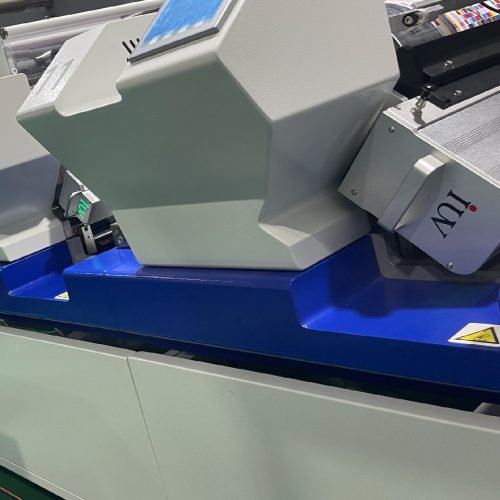
In specialty label sectors, where a single batch might involve thermochromic inks, embossed holograms, and dual-layer adhesives, UV LED’s process control is unmatched. Real-time intensity adjustments via touchscreen interfaces allow operators to fine-tune curing for each layer without stopping the press. For security printers, this precision is the difference between a label that withstands acetone scrubbing and one that delaminates.
The trajectory points toward broader integration. As LED wavelengths diversify and thermal management improves, applications will expand into direct-to-shape labeling and embedded electronics. For now, converters prioritizing fraud prevention, material versatility, and lean operations find UV LED curing isn’t just an upgrade—it’s the new baseline for competitive label production.