The Heat is On: Why Thermal Management Matters in LED UV Curing
When we talk about LED UV curing, we’re essentially talking about using high-intensity ultraviolet light to instantly cure inks, coatings, and adhesives. This process is a game-changer for printing, especially in areas like label printing, flexible packaging, and narrow web applications. However, even though LED UV technology is known for being more efficient and generating less heat than traditional mercury vapor lamps, managing the heat produced is still paramount.
The LED emitters themselves generate heat as a byproduct of their operation. If this heat isn’t dissipated effectively, it can lead to a cascade of problems. Think of it like your computer processor – if it overheats, performance suffers, and damage can occur. The same principle applies here.
Heat’s Impact on LED UV Systems
Overheating in an LED UV curing system can manifest in several ways, all of which can negatively affect your printing operations.
- Reduced LED Lifespan: LEDs have a finite lifespan, often rated in tens of thousands of hours. Excessive heat accelerates the degradation of the semiconductor material within the LEDs, causing them to dim prematurely or fail entirely. This means more frequent replacements and increased costs.
- Inconsistent Curing: Proper curing is essential for durability, adhesion, and achieving the desired visual effects. If the LED temperature fluctuates due to poor thermal management, the UV output intensity can vary. This leads to under-curing or uneven curing across the substrate. For demanding applications like high-quality labels or food-grade packaging, this inconsistency is unacceptable.
- Substrate Deformation: While LED UV curing is known for its low heat transfer to the substrate compared to older technologies, concentrated heat from poorly managed lamps can still cause issues. Thin films or heat-sensitive materials might warp, shrink, or even melt, leading to printing defects and material waste.
- Component Stress: Beyond the LEDs themselves, other components within the curing unit, such as power supplies and control electronics, can also be affected by elevated temperatures. This can lead to system malfunctions and further shorten the lifespan of the equipment.
Key Principles of Thermal Management
Effective thermal management in LED UV curing systems relies on a few core principles. The goal is to draw heat away from the LEDs and dissipate it into the surrounding environment safely and efficiently.
Heat Sinks: The Silent Warriors
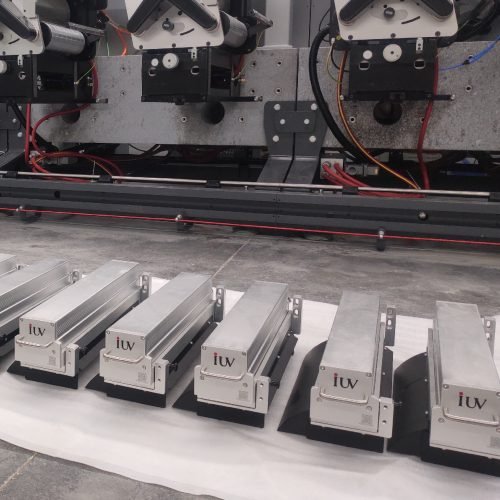
Heat sinks are perhaps the most fundamental component in thermal management. They are passive devices designed to absorb heat from a heat-generating component (in this case, the LED modules) and dissipate it into a surrounding fluid, usually air.
- Material Matters: Heat sinks are typically made of materials with high thermal conductivity, such as aluminum or copper. Aluminum is common due to its good performance and lower cost.
- Surface Area is King: The effectiveness of a heat sink is directly related to its surface area. More surface area means more contact with the air, allowing for greater heat dissipation. This is why heat sinks often have fins or other extended surfaces.
- Direct Contact: It’s crucial that the heat sink has excellent thermal contact with the LED module. Thermal paste or thermal pads are often used between the LED and the heat sink to fill any microscopic gaps and improve heat transfer.
Airflow: The Unsung Hero
While heat sinks do the heavy lifting of absorbing heat, airflow is what carries that heat away. Natural convection can play a role, but active cooling, typically with fans, is almost always necessary for robust LED UV curing systems.
- Fan Selection: The type and size of fans used are critical. They need to provide sufficient airflow to cool the heat sinks effectively without generating excessive noise or consuming too much power.
- Airflow Path: Designing the curing unit so that air can flow efficiently over the heat sinks and then be expelled from the system is vital. Blocked airflow paths can create hot spots and reduce the overall cooling capacity.
- Dust and Debris: In a print shop environment, dust and ink mist are common. These can accumulate on heat sinks and fan blades, impeding airflow and reducing cooling efficiency. Regular cleaning and maintenance are essential to keep the airflow paths clear.
Water Cooling: For High-Demand Applications
For very high-power LED UV systems, or in situations where space is limited and powerful air cooling is difficult to implement, water cooling can be an excellent solution.
- How it Works: Water is circulated through channels or a jacket around the LED modules. The water absorbs the heat and then carries it away to a radiator where it is cooled by an external fan, or to a chiller for more precise temperature control.
- Benefits: Water has a much higher heat capacity than air, making it a more efficient medium for heat transfer. This allows for more compact designs and can achieve lower operating temperatures for the LEDs.
- Considerations: Water cooling systems are more complex, requiring pumps, tubing, reservoirs, and radiators. They also introduce the potential for leaks, which must be carefully managed.
Thermal Management in Different Printing Processes
The specific thermal management needs can vary depending on the printing technology.
Narrow Web Printing and Label Production
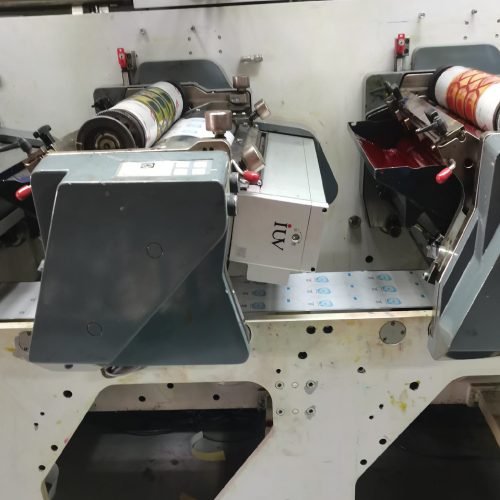
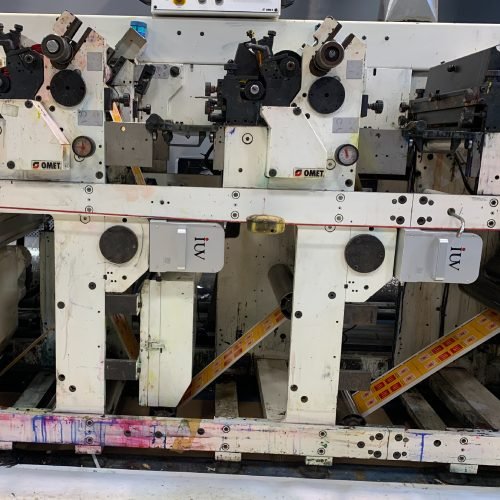
In narrow web presses, space is often at a premium. This means that LED UV curing systems need to be compact and integrated efficiently. Thermal management solutions must be robust yet unobtrusive. Efficient heat sinks and well-placed fans are common. Maintaining consistent curing across narrow web labels is crucial for brand consistency and product integrity.
Flexographic Printing
Flexography, particularly in packaging, often involves a wide range of substrates and demanding run speeds. The curing system must keep up without compromising the print quality. Thermal management ensures that the UV output remains stable even during long print runs, preventing issues like ink smearing or poor adhesion on flexible films.
Offset Lithography (Sheet-fed and Web)
While offset printing has traditionally used mercury lamps, the adoption of LED UV curing is growing. In sheet-fed offset, large-format curing units are employed. Effective thermal management is key to ensuring that the entire width of the sheet is cured uniformly. For web offset, similar to narrow web, space and efficiency are important considerations.
The Benefits of Excellent Thermal Management
Investing in a robust thermal management strategy for your LED UV curing system yields significant rewards:
- Extended Equipment Life: By keeping LEDs and other components within their optimal temperature range, you dramatically increase their operational lifespan, reducing capital expenditure on replacements.
- Consistent Print Quality: Stable UV output means predictable and repeatable curing results every time. This translates to fewer print defects, less waste, and satisfied customers.
- Improved Energy Efficiency: While LEDs are inherently efficient, overheating can force them to operate at reduced power to prevent damage, or require fans to work harder. Proper cooling allows LEDs to operate at their peak efficiency.
- Broader Substrate Compatibility: With reliable thermal control, you can confidently print on a wider variety of substrates, including those that are more sensitive to heat.
- Increased Throughput: Consistent and effective curing allows for faster press speeds without sacrificing quality, boosting your overall production capacity.
In conclusion, understanding and implementing proper thermal management for your LED UV curing systems is not just a technical detail; it’s a strategic imperative. It directly impacts the performance, longevity, and profitability of your printing operations. By paying attention to heat sinks, airflow, and considering water cooling where appropriate, you can ensure your LED UV curing systems perform at their best, delivering exceptional print quality and operational efficiency.