Troubleshooting Common Issues in LED UV Curing Systems
LED UV curing systems offer incredible benefits for the printing industry. They provide faster drying times, better ink adhesion, and reduced energy consumption compared to traditional methods. However, like any advanced technology, they can sometimes encounter issues. Understanding and quickly resolving these problems is key to maintaining efficient and high-quality production.
Understanding LED UV Curing Fundamentals
Before diving into troubleshooting, a basic grasp of how LED UV curing works is helpful. LED UV lamps emit ultraviolet light at specific wavelengths. When this light strikes UV-curable inks, coatings, or adhesives, it initiates a photochemical reaction. This reaction causes the liquid to instantly transform into a solid, cured state. This process relies on the correct intensity and wavelength of the UV light, as well as the formulation of the ink or coating.
Common Print Quality Defects and Their Curing Causes
Many print quality issues can be directly linked to problems with the UV curing process. Recognizing these patterns can significantly speed up diagnosis.
Ink Undercuring or Poor Adhesion
This is perhaps the most frequent problem. If the ink doesn’t cure properly, it can lead to smudging, scratching, or poor resistance to chemicals and abrasion.
- Insufficient UV Intensity: The LED lamps might not be delivering enough UV energy to the substrate. This can be due to aging lamps, power supply issues, or incorrect positioning.
- Incorrect Wavelength: UV-curable inks are formulated for specific UV wavelengths. If the LED lamps emit light outside the optimal range for the ink, curing will be incomplete.
- Substrate Issues: Some substrates, especially those with high levels of UV inhibitors or certain coatings, can block or reflect UV light, hindering proper curing.
- Ink Layer Thickness: Applying too thick a layer of ink can prevent UV light from penetrating to the bottom layers, resulting in a soft or uncured surface.
- Ink Formulation Problems: The ink itself might be at fault. Older inks, improper storage, or contamination can affect their ability to cure effectively.
Surface Defects: Tackiness and Stickiness
A tacky or sticky surface after printing is a clear sign of incomplete curing.
- Incomplete Polymerization: The photochemical reaction did not fully complete, leaving uncured components on the surface.
- Oxygen Inhibition: In some UV curing processes, oxygen in the air can interfere with the final stages of polymerization, particularly on the surface. This can be exacerbated by insufficient UV intensity or inadequate airflow.
- Migration of Uncured Components: Sometimes, uncured oligomers or photoinitiators can migrate to the surface, making it feel sticky.
Color Shift and Fading
While not always a direct curing issue, color problems can arise if the curing process affects the pigments.
- Thermal Degradation: Overly aggressive curing, especially with older or less efficient UV systems, can sometimes cause heat-sensitive pigments to degrade, leading to color shifts. LED systems generally produce less heat, mitigating this risk.
- Incompatible Ink and Substrate: If the ink or coating is not formulated to withstand the curing process on a specific substrate, chemical reactions can alter the color.
Troubleshooting Specific LED UV Curing System Components
Let’s break down potential issues by looking at the critical parts of the system.
LED Lamp Module Problems
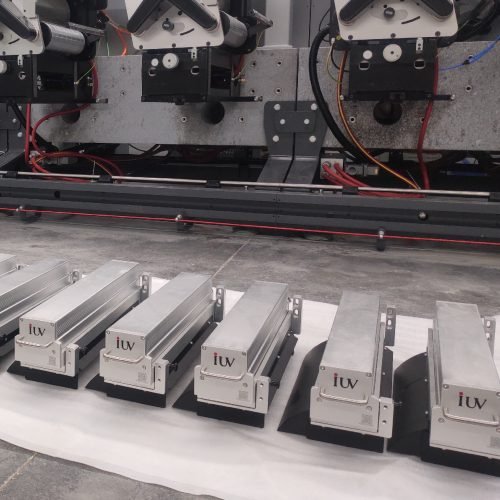
LED UV curing systems use solid-state devices, which are generally more robust than traditional mercury lamps. However, they still require maintenance.
- Flickering or Uneven Output: This could indicate a problem with the individual LED chips, the driver electronics, or the cooling system.
- Reduced UV Intensity Over Time: LEDs have a finite lifespan. Their output gradually decreases. If you notice a drop in curing performance, it may be time to replace the lamp module.
- Overheating: Insufficient cooling is a major enemy of LEDs. Ensure the ventilation system is clean and functional. Check coolant levels and pump operation for liquid-cooled systems.
Power Supply and Driver Issues
The power supply delivers the necessary electricity to the LED lamps.
- System Not Powering On: Check main power connections, circuit breakers, and internal fuses.
- Intermittent Power Failure: This might be a loose connection or a failing power supply unit.
- Incorrect Voltage or Current Output: This can lead to lamps not performing optimally or even being damaged. Diagnostic tools are often needed here.
Cooling System Malfunctions
LEDs generate heat, and effective cooling is essential for their longevity and consistent performance.
- Overheating Alarms: This is a direct indicator of a cooling problem. Check fan operation, air filters, and coolant flow for water-cooled units.
- Blocked Airflow: Dust and debris can accumulate on filters and heat sinks, restricting airflow. Regular cleaning is vital.
- Coolant Leaks or Low Levels: For water-cooled systems, any leak or insufficient coolant will quickly lead to overheating.
Maintenance and Preventative Measures
The best way to troubleshoot is to avoid issues in the first place through diligent maintenance.
- Regular Cleaning: Keep lamp heads, reflectors, and cooling fins free of dust, ink, and debris.
- Lamp Performance Checks: Periodically measure UV intensity and spectral output if possible. This helps detect gradual degradation before it impacts production.
- Software Updates: Ensure the curing system’s control software is up-to-date.
- Record Keeping: Log any issues, maintenance performed, and parts replaced. This historical data is invaluable for diagnosing recurring problems.
- Operator Training: Well-trained operators can identify subtle changes in system performance and report them promptly.
Specific Considerations for Different Print Processes
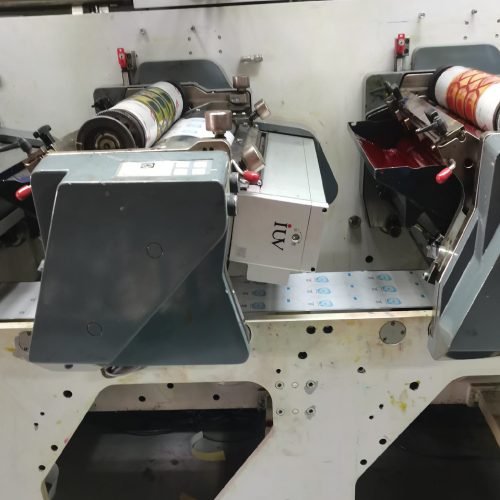
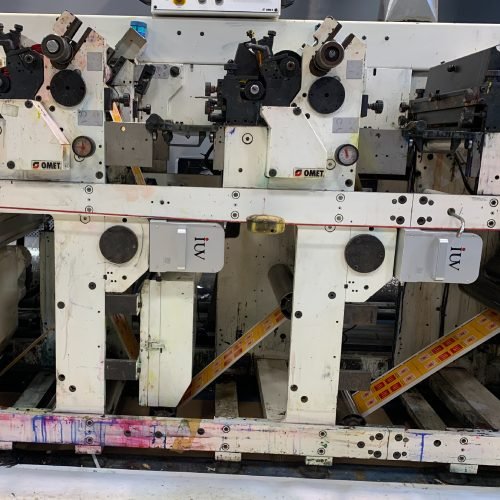
Narrow Web and Label Printing: In this high-speed environment, consistent curing is critical. Issues with web tension or speed fluctuations can affect the dwell time under the UV lamps, leading to curing problems. Ensure the UV system is synchronized with the press speed.
Flexographic Printing: Flexo inks often have high pigment loads. This means sufficient UV penetration is crucial. If the ink layer is too thick or the UV output is insufficient, you’ll see surface tack or poor rub resistance.
Offset Printing (Sheet-fed and Web): Offset inks can be more viscous. Ensuring complete curing, especially in multi-color presses where ink layers build up, requires carefully calibrated UV units. Surface coatings and varnishes also rely heavily on UV for their properties.
When to Call the Experts
While many issues can be resolved with basic troubleshooting and maintenance, some problems may require specialized knowledge. If you suspect a major component failure, electrical issues, or a complex interplay of factors, don’t hesitate to contact your equipment supplier or a qualified service technician. They have the diagnostic tools and expertise to get your system back online quickly and efficiently. By understanding these common issues and implementing good practices, you can maximize the performance and reliability of your LED UV curing systems.