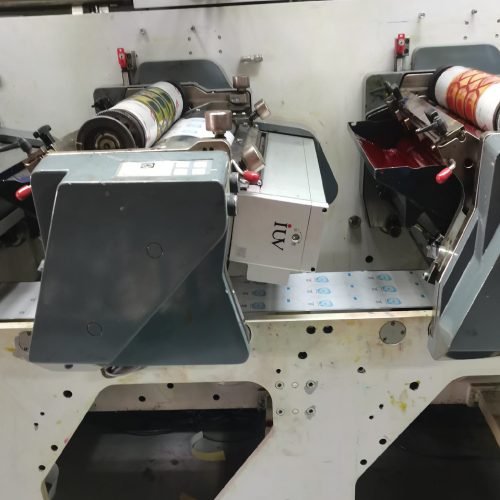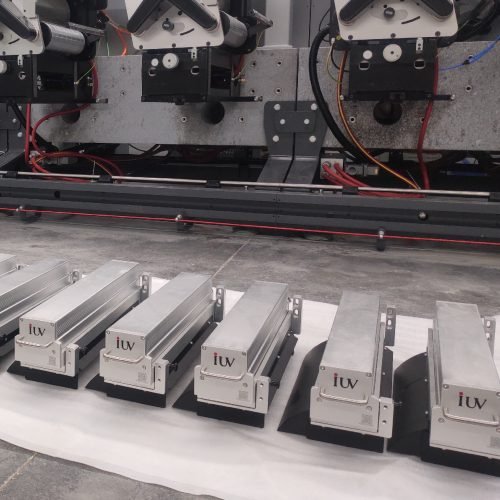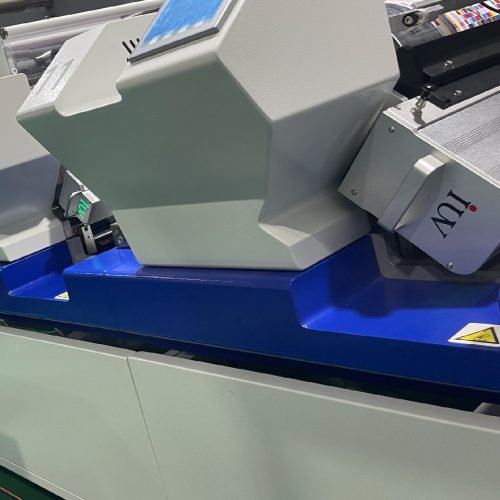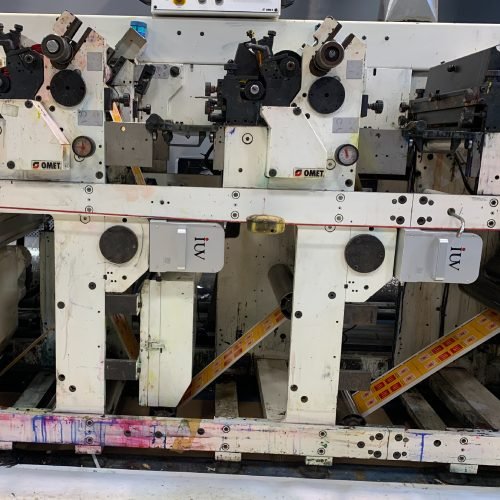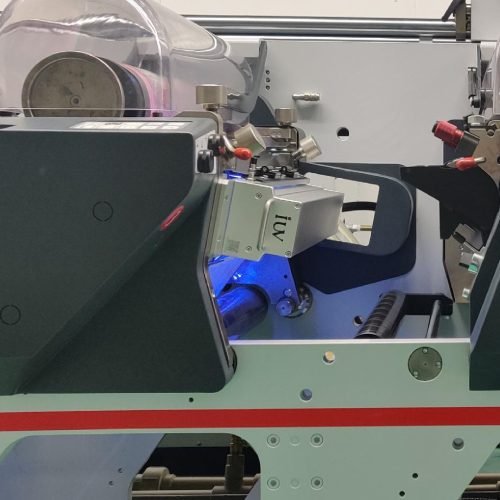
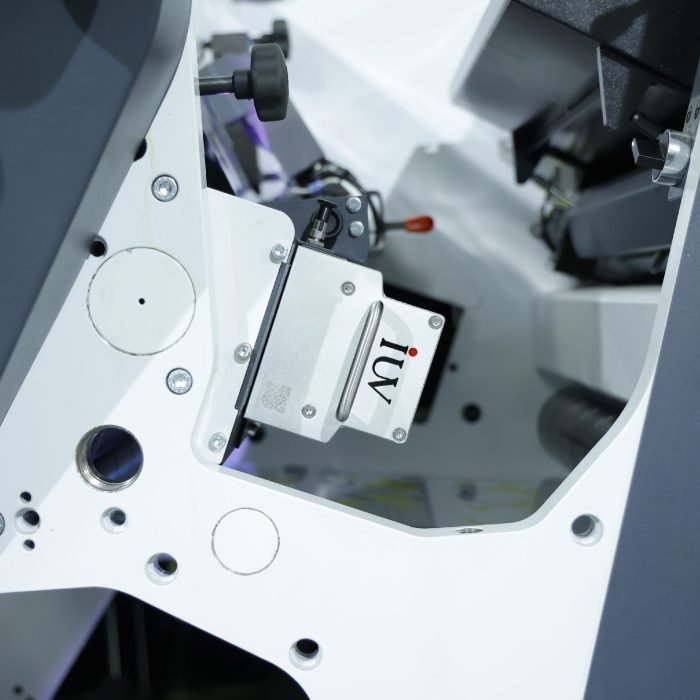
In the dynamic world of label printing, flexographic and offset printing houses are constantly seeking ways to boost efficiency and product quality. A key technology enabling these advancements is UV curing. Specifically, high-power LED UV curing systems have become increasingly popular for their energy efficiency, longer lifespan, and superior control over the curing process. However, pushing these systems to their peak performance introduces a significant challenge: heat. Managing this heat effectively isn’t just about preventing equipment failure; it’s about unlocking the full potential of your UV curing technology.
The Heat Challenge in High-Power LED UV Curing
High-power LED arrays, while incredibly effective for rapid and thorough UV curing, generate substantial thermal energy. This heat, if not managed, can lead to a cascade of problems. For narrow web printing applications, where space is often at a premium and precise ink laydown is critical, the impact of inadequate cooling can be particularly detrimental. Overheating can cause a reduction in LED lifespan, leading to premature failure and costly replacements. More immediately, it can affect the wavelength output of the LEDs, compromising the efficiency and completeness of the UV cure. This means inks and coatings might not achieve their full hardness or adhesion, leading to print defects, scuffing, and potential delamination issues downstream.
Why Standard Cooling Fails for High-Power Systems
Traditional air cooling, while suitable for lower-power UV lamps, often proves insufficient for the demands of modern high-power LED systems. The sheer volume of heat generated requires a more robust and efficient method of thermal dissipation. Relying solely on ambient airflow can lead to inconsistent curing temperatures across the web, especially in demanding production environments with variable room temperatures. Furthermore, dust and debris can clog air vents, further hindering cooling performance and potentially introducing contaminants to the print surface.
The Rise of Advanced Cooling Solutions
This is where advanced cooling solutions come into play. These systems are engineered to provide consistent, targeted, and highly efficient thermal management for high-power LED UV curing units. They move beyond simple passive or forced air cooling to employ more sophisticated methods.
Liquid Cooling: The Gold Standard
For the most demanding applications, particularly in high-speed flexographic and offset printing, liquid cooling has emerged as the gold standard. This method utilizes a coolant, typically a mixture of deionized water and glycol, to absorb heat directly from the LED modules. The heated coolant is then pumped through a closed-loop system to a heat exchanger, where it is cooled before being recirculated.
Benefits of Liquid Cooling in Narrow Web Printing:
- Superior Thermal Transfer: Liquids are far more effective at absorbing and transferring heat than air. This allows for rapid and consistent removal of thermal energy from the LED arrays.
- Precise Temperature Control: Liquid cooling systems can maintain LED temperatures within very tight tolerances, ensuring stable wavelength output and optimal curing performance. This is crucial for achieving consistent ink and coating properties, especially when working with sensitive substrates or specialized finishes in label printing.
- Compact Integration: Despite its efficiency, liquid cooling systems can be designed to be remarkably compact, making them ideal for integration into narrow web presses where space is a premium.
- Reduced Noise and Dust: Unlike high-speed fans used in air cooling, liquid cooling systems operate much more quietly and are not susceptible to dust accumulation within the cooling channels. This contributes to a cleaner printing environment.
- Extended LED Lifespan: By maintaining optimal operating temperatures, liquid cooling significantly extends the operational life of expensive high-power LED arrays, reducing maintenance costs and downtime.
Integrated Cooling Channels
Modern high-power LED UV curing units often feature integrated cooling channels built directly into the LED modules or heat sinks. These channels are designed to maximize surface area contact with the coolant, facilitating efficient heat absorption. The precise engineering of these channels is critical to ensuring uniform coolant flow and preventing hot spots.
Advanced Heat Exchangers
The efficiency of a liquid cooling system hinges on its heat exchanger. These devices, often utilizing finned tubes or microchannels, are designed to maximize the surface area for heat transfer between the coolant and the surrounding air. Advanced designs focus on optimizing airflow through the exchanger for maximum cooling capacity within a compact footprint.
Impact on Different Printing Processes
The benefits of advanced cooling extend across various printing sectors:
- Flexographic Printing: In label and flexible packaging, flexo presses operate at high speeds. Consistent curing is paramount for achieving vibrant colors, sharp graphics, and durable finishes. Advanced cooling ensures that the UV inks and coatings are fully cured, even under intense production demands. This prevents issues like poor adhesion to tricky substrates or color shifts due to incomplete cure.
- Offset Printing (Sheet-fed and Web): While offset printing might not always operate at the same extreme speeds as narrow web flexo, achieving a perfect, immediate cure is vital for post-press operations like stacking and finishing. High-power LED UV in offset printing, especially for short-run or on-demand applications, benefits greatly from precise temperature control offered by advanced cooling. This ensures that inks are tack-free immediately, preventing smudging and allowing for faster turnaround times.
- Narrow Web Printing: As mentioned, this sector is particularly sensitive to space and performance constraints. Advanced cooling solutions allow printers to utilize the highest power LED UV lamps without compromising press footprint or introducing excessive heat that could warp substrates or affect sensitive components.
Selecting the Right Cooling Solution
When evaluating cooling solutions for your high-power LED UV curing systems, consider the following:
- Your Application’s Demands: What are your typical press speeds? What types of inks and coatings are you using? Are you printing on sensitive substrates?
- Heat Load Requirements: The power output of your LED UV system will dictate the required cooling capacity. Manufacturers can help calculate this.
- Integration Space: How much space is available on your press for cooling components? Liquid cooling systems, while potentially including a chiller, often offer more flexibility in placement than bulky air-cooling units.
- Maintenance and Reliability: Consider the long-term maintenance requirements of different cooling systems. Liquid systems generally require periodic coolant checks and filter replacements.
- Environmental Considerations: Think about noise levels and potential environmental impact. Liquid cooling is typically quieter and less prone to dust issues.
The Future is Cool (and Cured)
As the printing industry continues to embrace the advantages of LED UV curing, the importance of robust thermal management will only grow. Advanced cooling solutions are not merely accessories; they are integral components that ensure the reliability, efficiency, and superior performance of high-power LED UV systems. By investing in the right cooling technology, you are investing in the quality of your prints, the longevity of your equipment, and the overall success of your printing operations. Don’t let heat be the bottleneck in your pursuit of high-quality, high-speed UV curing.