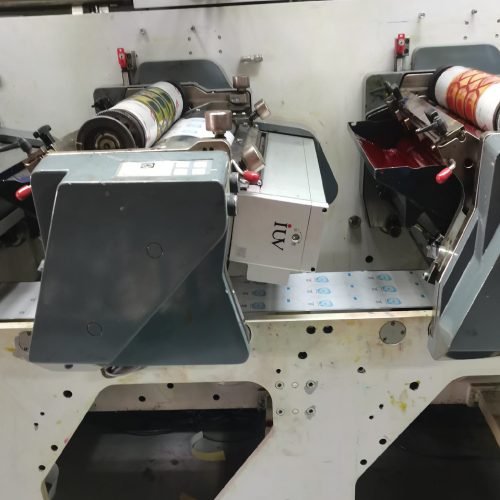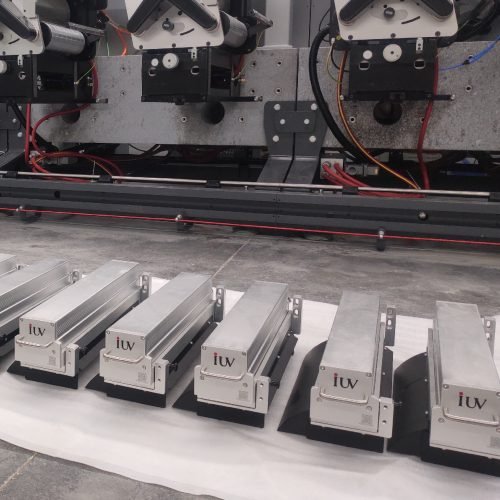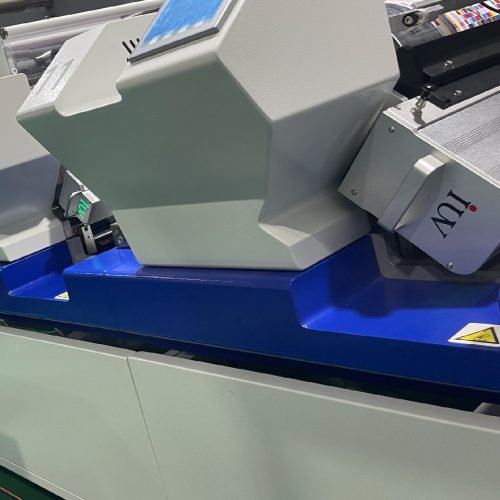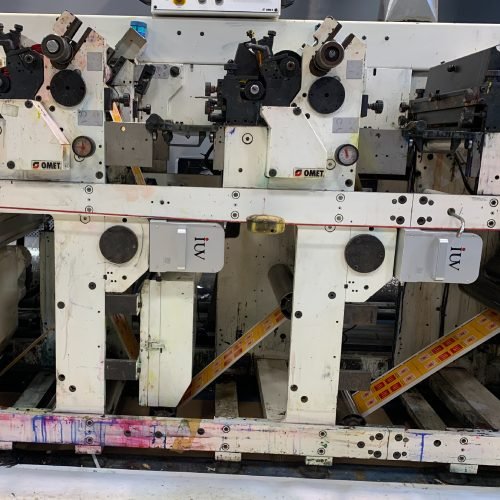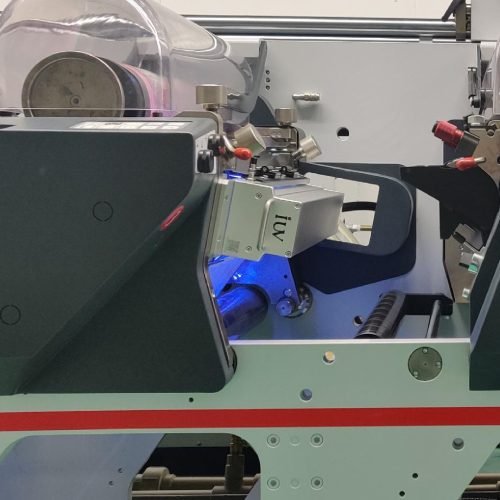
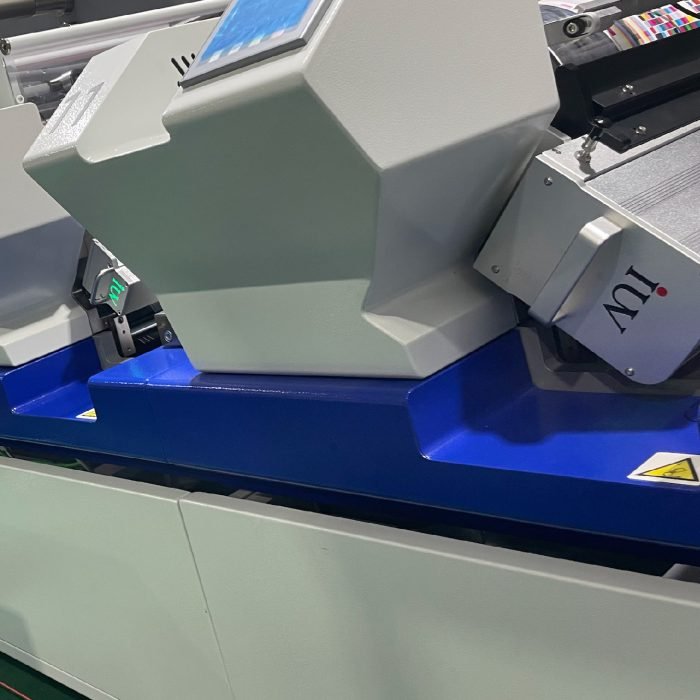
The printing industry is constantly evolving, driven by the demand for faster turnaround times, greater personalization, and more efficient production processes. Variable-data printing (VDP) and digital hybrid printing are at the forefront of this evolution, offering unparalleled flexibility. To truly unlock the potential of these advanced printing methods, the integration of sophisticated curing technologies, specifically LED UV curing systems, has become paramount. This technology offers significant advantages for labels, flexible packaging, and various other narrow-web applications.
The Rise of Variable-Data and Digital Hybrid Printing
Variable-data printing allows for the personalization of each printed piece within a single print run. This means every label, brochure, or package can feature unique text, images, or codes, transforming static print into dynamic, targeted communication. Digital hybrid printing takes this a step further by combining digital printing capabilities with traditional analog processes like flexography or offset printing on the same press. This hybrid approach leverages the strengths of both worlds: the speed and efficiency of analog for established elements, and the flexibility of digital for VDP and short runs.
This shift demands printing solutions that can handle the unique challenges presented by digital inks and coatings, especially when integrating with established analog workflows. The need for instant drying and curing is critical to prevent smudging, ensure adhesion, and maintain print quality throughout the production process, particularly when overprinting or processing multiple stations.
Understanding UV Curing Technology
Traditionally, UV curing has relied on mercury vapor lamps. These lamps emit UV light across a broad spectrum, requiring significant energy and producing heat and ozone. While effective, they have limitations. Mercury lamps have a finite lifespan, require frequent replacement, and their energy consumption can be substantial, impacting operational costs and environmental footprint. Furthermore, their broad spectrum output means much of the energy is not used efficiently for curing, leading to wasted power and excessive heat generation.
The LED UV Curing Advantage
Light Emitting Diode (LED) UV curing systems represent a significant advancement. Unlike mercury lamps, LEDs emit UV light within a very narrow, specific wavelength band, precisely matched to the photoinitiators in UV-curable inks and coatings. This targeted emission results in highly efficient and rapid curing.
Several key advantages make LED UV curing indispensable for modern VDP and digital hybrid printing:
- Instantaneous Curing: LED systems provide immediate and consistent curing as soon as the substrate passes under the lamp. This is vital for VDP where unique data is printed sequentially and must be immediately dry to avoid transfer issues or contamination in subsequent processes.
- Energy Efficiency: LEDs consume considerably less energy than traditional mercury lamps. Their targeted spectrum means more energy is directed into the curing process, reducing overall power consumption and operational costs.
- Longer Lifespan: LED modules have a much longer operational life, often exceeding 20,000 hours, compared to mercury lamps. This reduces downtime for replacements and lowers maintenance expenses.
- Lower Heat Output: LEDs generate significantly less heat than mercury lamps. This is crucial when printing on heat-sensitive substrates, common in label and flexible packaging applications, preventing substrate distortion or damage.
- On-Demand Operation: LEDs can be switched on and off instantly without degradation. This means they only consume power when printing, further enhancing energy savings, especially in hybrid workflows where digital and analog sections may not always be active simultaneously.
- Compact Design: LED arrays are more compact and can be integrated into tighter spaces on printing presses, which is particularly beneficial for narrow-web presses and hybrid configurations where press real estate is at a premium.
- Environmental Benefits: The reduced energy consumption, absence of mercury, and lower ozone production contribute to a more environmentally friendly printing process.
Applications in Narrow-Web Printing
Narrow-web printing, often used for labels and flexible packaging, directly benefits from LED UV curing. The speed and precision required for these applications align perfectly with the capabilities of LED systems.
- Label Printing: Whether producing standard labels or complex multi-layer, high-security labels with VDP, LED UV curing ensures that inks and coatings are instantly dry and adhere properly. This is critical for applications requiring tactile effects, special finishes, or immediate handling for finishing processes like die-cutting or slitting. For short runs and personalized labels common in VDP, the on-demand nature of LEDs is a significant cost and efficiency saver.
- Flexible Packaging: As digital and hybrid printing enter the flexible packaging market, LED UV curing becomes essential. Many packaging materials are sensitive to heat, making LED’s low-temperature curing a distinct advantage. The rapid cure allows for immediate handling and further processing, such as lamination or bag making, without compromising the integrity of the package.
Integration with Flexographic and Offset Printing
In digital hybrid printing, LED UV curing systems are often integrated alongside flexographic and offset stations.
- Flexographic Printing: Flexo printing is known for its speed and efficiency in applying base colors or solid areas. When combined with digital printing for VDP, an LED UV system placed after the digital station ensures the variable data is immediately cured. If an analog station precedes the digital one, appropriate UV curing (which could be traditional arc or LED depending on the setup and speed) ensures that ink is dry before overprinting.
- Offset Printing: Similar to flexography, offset printing can be used for consistent graphics or branding elements. Integrating LED UV curing after digital printing ensures the unique variable data is handled correctly. If the offset station is used before digital, a powerful UV system, often traditional arc lamps for maximum speed, is used to cure the offset inks before the digital process begins.
Optimizing Inks and Coatings for LED UV
The success of LED UV curing relies on the proper formulation of inks and coatings. These are designed with photoinitiators that efficiently absorb the specific wavelengths emitted by LED lamps (typically 365 nm, 395 nm, 405 nm, or combinations thereof). When selecting inks and coatings for VDP and hybrid printing, it’s important to partner with ink manufacturers who specialize in LED-curable formulations. These inks offer excellent adhesion, rub resistance, and chemical resistance, essential for demanding applications.
Challenges and Considerations
While the benefits are substantial, there are considerations when implementing LED UV curing systems:
- Wavelength Specificity: Ensure the LED wavelength precisely matches the photoinitiators in your inks and coatings for optimal cure speed and depth.
- Irradiance: The intensity of the UV light (irradiance) needs to be sufficient for the required web speed and ink/coating thickness. Press manufacturers and UV system suppliers can help determine the right power output.
- Substrate Penetration: While LEDs cure efficiently, achieving sufficient cure depth into thicker ink films or opaque coatings might require careful selection of ink chemistry and LED power.
- Initial Investment: The upfront cost of LED UV curing systems can be higher than traditional mercury lamps. However, this is typically offset by lower operating costs, reduced maintenance, and increased productivity over the system’s lifespan.
The Future of Printing is Hybrid and Digitally Enhanced
The integration of LED UV curing systems into variable-data and digital hybrid printing presses is not just a trend; it’s becoming a standard. The ability to produce personalized, high-quality print with speed, efficiency, and reduced environmental impact makes this combination a powerful solution for converters and printers looking to stay competitive. As digital printing technology continues to advance, and the demand for dynamic, customized printed products grows, LED UV curing will remain a critical enabler, driving innovation and productivity across the narrow-web and wider printing markets. Its role in ensuring instant drying, superior adhesion, and energy efficiency makes it the ideal partner for the future of advanced printing.