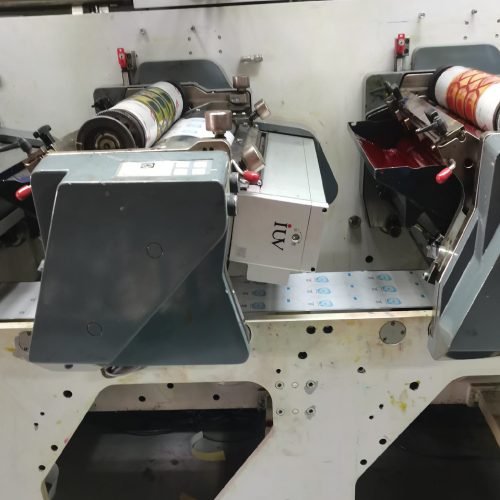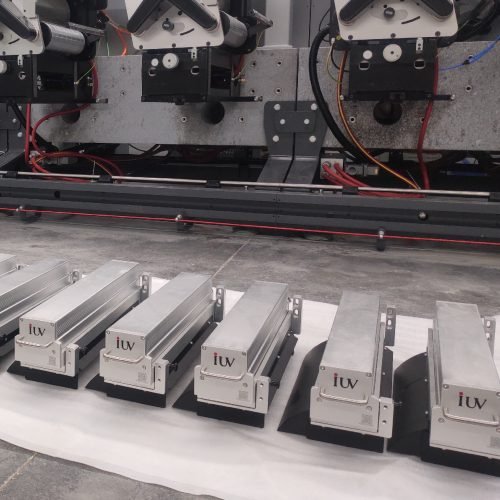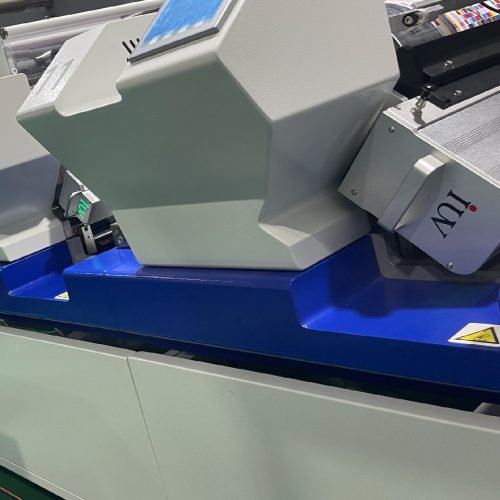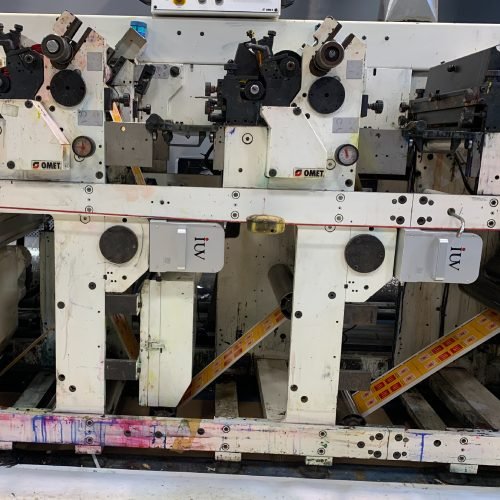
In the dynamic world of label printing, achieving efficient and high-quality curing is paramount. LED UV curing technology has revolutionized this process, offering faster speeds, lower energy consumption, and a reduced environmental footprint compared to traditional mercury lamp systems. However, a key decision point arises when selecting the right LED UV system: air-cooled or water-cooled? Both have distinct advantages and disadvantages, and the optimal choice hinges on your specific operational needs, press configuration, and the demands of your label applications.
The fundamental difference lies in how each system manages the heat generated by the LED emitters. While LEDs are more energy-efficient, they still produce heat, and effective thermal management is critical for their longevity, consistent performance, and optimal curing results.
Understanding Air-Cooled LED UV Systems
Air-cooled LED UV curing systems rely on the circulation of ambient air to dissipate heat from the LED arrays. This typically involves integrated fans within the curing unit itself. The fans draw in cooler air and push it across the LED modules, carrying the heat away.
Advantages of Air-Cooled Systems:
- Simplicity and Lower Initial Cost: Air-cooled systems are generally simpler in design, often leading to a lower upfront purchase price. The absence of complex plumbing and chillers reduces initial investment.
- Ease of Installation and Maintenance: Installation is typically straightforward, often requiring just power and connection to the press controls. Maintenance is also less involved, primarily focusing on cleaning fan filters and ensuring clear airflow paths.
- Compact Footprint: Many air-cooled units are more compact, which can be advantageous for narrow-web presses or where space is at a premium. They can often be integrated directly into the print unit or between stations without extensive modifications.
- Ideal for Lighter Loads and Cooler Environments: These systems perform well in applications with moderate heat loads and in environments where ambient temperatures are not excessively high. They are a solid choice for many standard label printing jobs.
Disadvantages of Air-Cooled Systems:
- Limited Heat Dissipation Capacity: The primary limitation of air-cooled systems is their capacity to handle significant heat. As LED power increases or printing speeds escalate, the fans may struggle to maintain optimal operating temperatures.
- Environmental Dependence: Their effectiveness is directly influenced by the ambient air temperature. In warmer printing facilities, the cooling efficiency can be reduced, potentially leading to thermal throttling of the LEDs or compromised curing.
- Noise: The fans required for effective cooling can contribute to the overall noise level on the printing press.
- Potential for Contamination: Fans can draw in dust and debris from the printing environment, which can accumulate on LED modules and heat sinks, potentially hindering cooling efficiency and requiring more frequent cleaning.
Exploring Water-Cooled LED UV Systems
Water-cooled LED UV curing systems utilize a circulating fluid, typically a water-glycol mixture, to actively remove heat from the LED modules. This fluid is pumped through channels integrated into the LED head and then passed through an external chiller unit where the heat is dissipated.
Advantages of Water-Cooled Systems:
- Superior Heat Dissipation: Water has a much higher heat capacity than air, making water-cooled systems exceptionally effective at removing substantial amounts of heat. This is crucial for high-power LED arrays and demanding printing conditions.
- Consistent Performance: By maintaining precise temperature control, water-cooled systems ensure that LED emitters operate at their optimal wavelength and intensity, regardless of ambient conditions or print speed. This leads to highly consistent curing results, batch after batch.
- Enables Higher Power and Speed: The robust cooling capability allows for the use of higher-density LED arrays and enables printing presses to operate at maximum speeds without concerns about overheating. This is critical for high-volume label production.
- Reduced Noise: With the cooling mechanism externalized to the chiller, the immediate printing area is often quieter, as the loud fans are not directly integrated into the curing head.
- Longevity and Reliability: By keeping LEDs within their ideal temperature range, water-cooling significantly extends the lifespan and improves the overall reliability of the LED modules.
Disadvantages of Water-Cooled Systems:
- Higher Initial Investment: Water-cooled systems typically come with a higher upfront cost due to the inclusion of chillers, pumps, hoses, and more complex manifold designs.
- More Complex Installation and Maintenance: Installation requires plumbing for the coolant lines, connection to the chiller, and potentially more intricate integration with the press. Maintenance involves periodic checks of fluid levels, coolant quality, pump operation, and chiller performance.
- Larger Footprint: The addition of a chiller unit means a larger overall footprint for the curing solution, which may be a consideration in space-constrained environments.
- Risk of Leaks: Although rare with modern, robust systems, any fluid-based system carries a theoretical risk of leaks, which could potentially damage sensitive press components or printed materials. Proper installation and regular maintenance mitigate this risk.
Key Considerations for Label Printing Applications
When deciding between air-cooled and water-cooled LED UV systems for your label printing operation, consider these critical factors:
- Press Type and Speed: Narrow-web flexographic and offset presses often operate at high speeds. If your press is capable of very high throughput, a water-cooled system might be necessary to handle the sustained heat load and ensure consistent cure. For lower-speed presses or intermittent runs, air-cooled might suffice.
- Substrate Type: Certain substrates, particularly heat-sensitive films, can be affected by the heat radiated from the curing unit. While LED UV systems generate less heat than mercury lamps, the choice of cooling system can influence the overall thermal impact on the web.
- Ink/Coating Type: High-performance inks and coatings that require intense UV energy for full polymerization will generate more heat. If you’re using such materials, a water-cooled system offers better control.
- Printing Environment: The ambient temperature and cleanliness of your printing facility play a role. If your pressroom is consistently warm or dusty, the limitations of air-cooled systems become more pronounced.
- Power Requirements: Higher-power LED UV systems, often needed for faster curing or thicker ink layers, generate more heat. Water-cooling is generally the preferred solution for these higher-output systems.
- Budget and ROI: Balance the initial investment against the long-term benefits. While air-cooled systems are cheaper upfront, water-cooled systems can offer greater productivity, consistency, and longevity, leading to a potentially better return on investment over time, especially in high-volume environments.
- Application Demands: Consider the end-use of the labels. If they require exceptional durability, scratch resistance, and chemical resistance, ensuring a complete cure is vital. Water-cooled systems provide the best assurance of consistent, thorough curing.
The Role in Flexographic and Offset Label Printing
In flexographic printing, especially on narrow-web presses, rapid curing between print stations is essential to prevent ink transfer and allow for immediate processing. Air-cooled systems can be effective for standard inks and moderate speeds. However, as printers push for higher speeds and utilize higher-viscosity inks, or apply multiple coatings, the thermal management of water-cooled systems becomes increasingly attractive for maintaining consistent cure and print quality.
For offset label printing, particularly with thicker ink layers or varnishes, achieving a complete cure without overheating the substrate is critical. Water-cooled LED UV systems offer the precise temperature control and cooling capacity needed to ensure these demanding applications are met reliably. The ability to maintain consistent UV output is also key for achieving sharp dot reproduction and vibrant colors.
Conclusion: Making the Informed Choice
The decision between air-cooled and water-cooled LED UV curing systems for label printing is not a one-size-fits-all scenario. It’s a strategic choice that impacts productivity, quality, and long-term operational costs.
Air-cooled systems offer a cost-effective and straightforward solution for many standard label printing needs, especially on presses that are not pushed to their absolute speed limits or where environmental conditions are favorable. They are ideal for printers seeking simplicity and lower initial investment.
Water-cooled systems, while requiring a greater initial investment and a more complex setup, provide unparalleled thermal control, consistency, and the capacity to handle the most demanding high-speed, high-power applications. For label printers aiming for maximum throughput, superior cure integrity, and the longest possible LED lifespan, water-cooled LED UV technology represents the premium, future-proof solution.
By carefully assessing your specific printing processes, production goals, and the demands of your label applications, you can confidently select the LED UV curing system that will best enhance your label printing capabilities.