The Heat is On: Traditional UV vs. LED UV Curing
For decades, UV curing has been a staple in printing. It uses ultraviolet light to instantly dry inks, coatings, and adhesives. This process allows for faster production speeds and enhanced durability. However, traditional mercury-based UV lamps have a significant drawback: they generate a substantial amount of heat. This heat can affect sensitive substrates like thin films and plastics. It can also lead to increased energy consumption and a less comfortable working environment. Furthermore, these lamps produce ozone as a byproduct. Ozone is a respiratory irritant and requires specialized ventilation systems to remove.
LED UV curing systems offer a compelling alternative. They utilize light-emitting diodes (LEDs) to produce UV light. Unlike mercury lamps, LEDs are highly targeted in their wavelength output. This means they emit UV light precisely where it’s needed for curing, rather than a broad spectrum. This precision has several key benefits, most notably the reduction in ozone emission and heat output.
Minimizing Ozone Emission with LED UV
Ozone (O3) is a molecule formed when oxygen molecules (O2) are exposed to UV radiation. Traditional mercury vapor lamps emit a wide spectrum of UV light, including wavelengths that readily break down oxygen molecules, leading to ozone generation. This off-gassing can be a concern in printing environments. High ozone levels can damage printing equipment over time and pose health risks to workers. Effective ventilation is therefore crucial when using conventional UV systems.
LED UV systems operate differently. The LEDs emit UV light at specific, narrow wavelengths, typically in the UVA range (315-400 nm). These specific wavelengths are highly effective at initiating the curing process in UV-curable inks and coatings. Critically, the wavelengths emitted by LEDs are less efficient at splitting oxygen molecules compared to the broader spectrum from mercury lamps. Consequently, the production of ozone is dramatically reduced, often to negligible levels. Many printing facilities transitioning to LED UV systems find they can reduce or even eliminate the need for extensive ozone extraction systems. This not only lowers installation and maintenance costs but also improves air quality within the printing facility.
The Cool Revolution: Reduced Heat Output in LED UV
The significant heat generated by traditional UV lamps is a major consideration in many printing applications. This heat can cause problems such as:
- Substrate Deformation: Delicate or thin materials can warp, shrink, or melt under intense heat, leading to printing defects and material waste. This is particularly true for heat-sensitive plastics and films used in label and packaging printing.
- Press Limitations: The heat can affect the temperature of printing rollers, inks, and other press components. This can necessitate slower press speeds to allow for cooling or require additional cooling systems for the press itself.
- Energy Waste: A considerable amount of energy is consumed by mercury lamps simply to generate heat, which is often an unwanted byproduct.
- Operator Comfort: High temperatures in the pressroom can create an uncomfortable working environment, potentially impacting operator productivity and well-being.
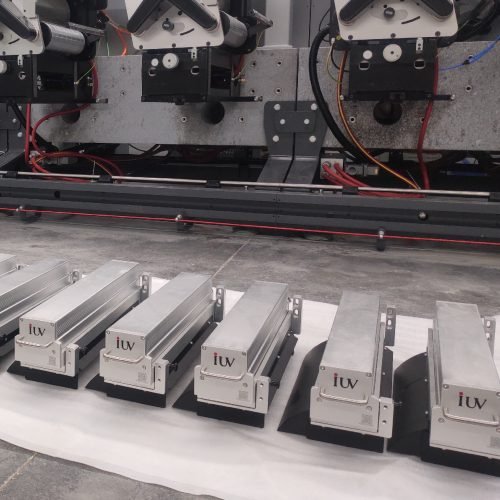
LED UV systems offer a much cooler curing process. The LEDs themselves are designed to be highly energy-efficient. They convert a much larger percentage of electrical energy directly into UV light, with very little wasted as heat. The heat that is produced is also typically dissipated directly from the LED module, often through integrated heatsinks. This means that the light reaching the substrate is predominantly UV light for curing, with minimal thermal energy transfer.
For narrow web printing, label printing, and flexible packaging applications where heat-sensitive substrates are common, this reduction in heat output is transformative. It allows printers to:
- Print on a Wider Range of Materials: Delicate films, foils, and thin plastics can be printed without concern for heat-induced distortion.
- Increase Press Speeds: With less heat generated, presses can often run at higher speeds, boosting productivity.
- Reduce Ancillary Cooling: The need for external substrate cooling systems is often minimized or eliminated.
- Improve Energy Efficiency: Lower energy consumption translates directly into reduced operating costs.
Impact on Printing Processes: Flexography, Offset, and Narrow Web
The advantages of reduced ozone and heat output directly benefit key printing sectors:
Flexographic Printing
Flexography, widely used for labels, flexible packaging, and corrugated board, often involves printing on a variety of substrates. In narrow web flexo for labels, the use of thin films and sensitive papers is standard. Traditional UV lamps could limit the speed and substrate choices. LED UV curing allows flexo printers to:
- Expand Material Capabilities: Print on thinner films, heat-sensitive foils, and even some biodegradable materials that would be damaged by conventional UV heat.
- Achieve Faster Speeds: Run presses at their maximum potential without overheating the substrate or the ink.
- Enhance Print Quality: Consistent curing without substrate distortion leads to sharper dots and more vibrant colors.
- Reduce VOCs: While UV inks are generally low in VOCs, the reduced need for ozone extraction contributes to a healthier air environment.
Offset Printing
While offset printing has traditionally relied on heatset or conventional drying methods for many applications, UV offset has gained traction for its instant drying capabilities. In sheetfed offset, especially when dealing with coated papers and sensitive inks, the heat from traditional UV can still be a factor. For narrow web offset, the benefits are even more pronounced. LED UV enables offset printers to:
- Cure on Non-Absorbent Stocks: Offset printing on plastics and foils is made feasible and efficient.
- Eliminate Ink Set-Off: Instant curing means no smudging or ink transfer to the back of the sheet.
- Achieve High-Gloss Finishes: UV coatings can be applied and cured instantly for a premium look.
- Reduce Press Downtime: Faster job changes and less cleaning associated with ink drying issues.
Narrow Web Printing
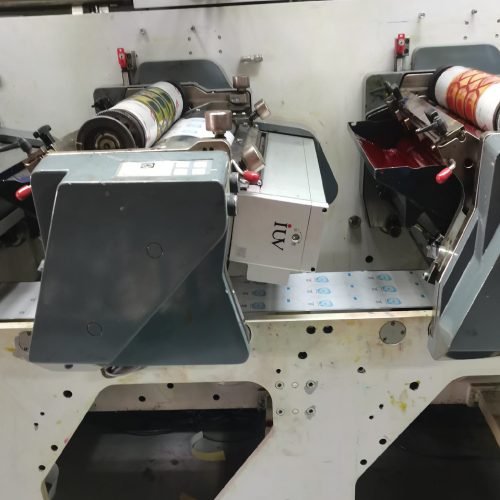
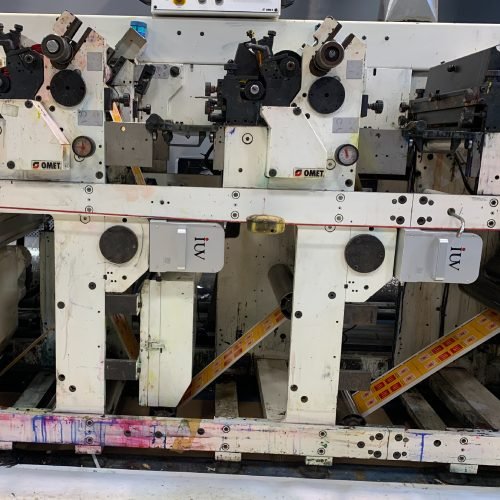
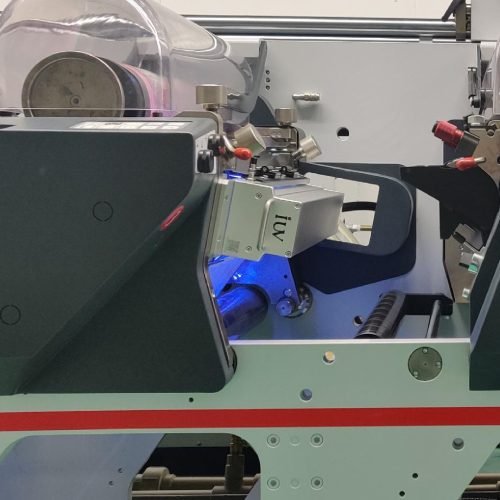
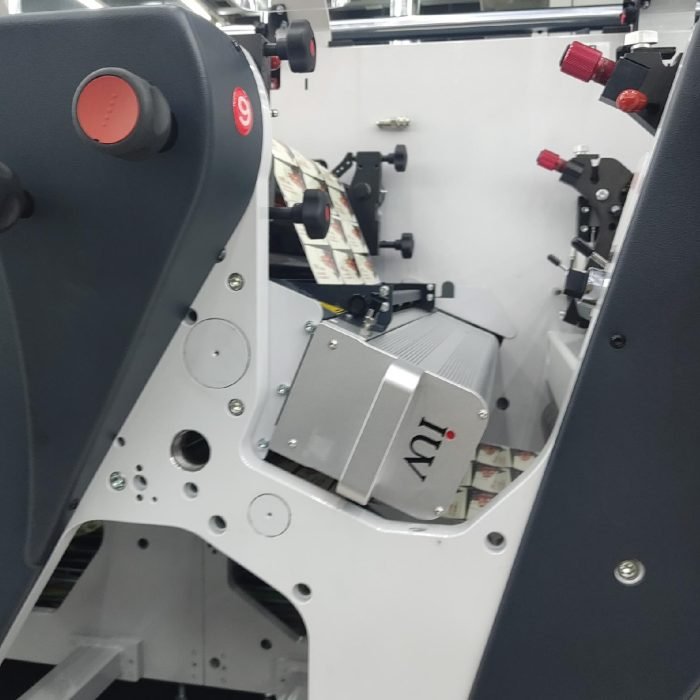
The narrow web sector, encompassing label and packaging printing, is a prime beneficiary of LED UV technology. These presses often operate at high speeds and frequently encounter heat-sensitive substrates. The precise, cool curing of LED UV systems addresses these challenges directly:
- Versatility: The ability to print on a vast array of materials, from thin films to textured papers, is a significant advantage.
- Productivity: Higher press speeds and reduced setup times contribute to greater output.
- Sustainability: Lower energy consumption and reduced ozone emissions align with growing environmental demands from brand owners.
- Inline Finishing: The instant cure allows for immediate inline finishing processes like die-cutting, slitting, and lamination without concerns about heat-related issues.
The Future is Cool and Clean
LED UV curing technology represents a significant leap forward in the printing industry. Its ability to minimize ozone emissions and heat output directly addresses critical operational and environmental concerns. For label printers, flexographers, and offset printers, particularly those in the narrow web sector, the adoption of LED UV systems offers tangible benefits in terms of material versatility, increased productivity, improved print quality, and a more sustainable operation. As the technology continues to evolve, its impact on the efficiency and environmental footprint of the printing industry will only grow.