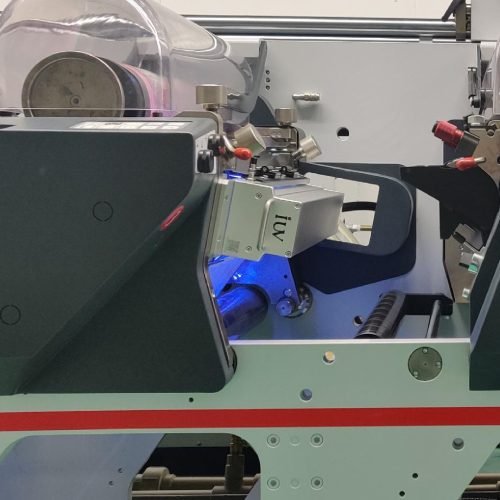
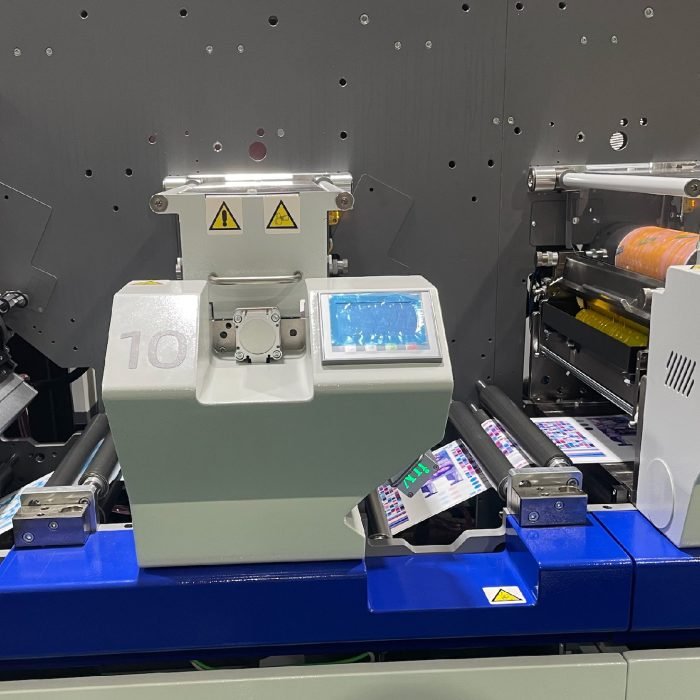
LED UV lamps, while highly efficient compared to traditional mercury lamps, still generate significant heat during operation. This heat arises from several sources. Firstly, the electrical current passing through the LED chips produces resistive heating. Secondly, the conversion of electrical energy into light is not 100% efficient; some energy is inevitably lost as heat.
This generated heat can have detrimental effects on both the LED components themselves and the printed materials. Excessive heat can shorten the lifespan of the LEDs, leading to premature failure and increased maintenance costs. For the substrate, uncontrolled heat can cause warping, shrinking, or affect ink adhesion and cure depth.
The Necessity of Effective Cooling
To counter these challenges, robust cooling systems are integrated into modern LED UV curing units. These systems are designed to maintain the LED junction temperature within optimal operating parameters. By keeping the LEDs cool, their efficiency remains high, and their operational life is extended considerably.
Effective cooling also plays a vital role in ensuring the quality of the print. A consistently cool lamp head means a uniform UV output across the entire curing width. This uniformity is paramount for achieving complete and even curing of inks and coatings, especially in high-speed printing processes.
Cooling Technologies Explained
Several cooling technologies are employed in LED UV curing systems, each with its own advantages. The choice of technology often depends on the specific application, the power output of the LEDs, and the environmental conditions.
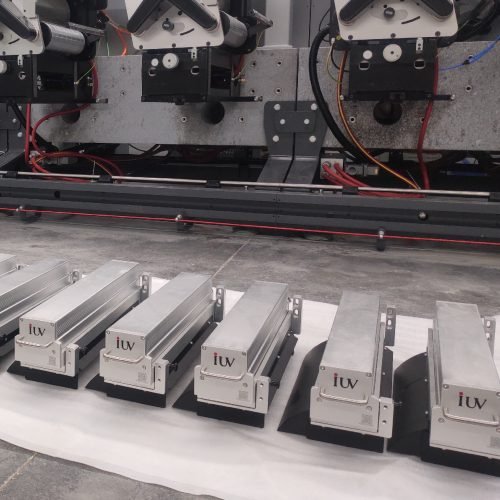
Air Cooling: This is the simplest and often most cost-effective method. It involves using fans to circulate ambient air over heat sinks attached to the LED modules. Heat sinks are designed with a large surface area to facilitate heat dissipation. While suitable for lower-power or intermittent curing applications, air cooling may struggle to keep up with the heat load in high-intensity, continuous printing operations.
Water Cooling (Liquid Cooling): For high-performance systems, water cooling is the industry standard. This method uses a closed-loop system where a circulating fluid, typically a mixture of water and a non-corrosive additive, absorbs heat from the LED modules. The heated fluid is then pumped to a heat exchanger or chiller, where it is cooled before being recirculated.
Water cooling offers superior heat transfer capabilities compared to air cooling. It allows for more precise temperature control, which is crucial for maintaining stable UV output. This is essential for applications demanding the highest levels of consistency and cure quality.
Application in Specific Printing Sectors
The impact of cooling technology is felt across various printing sectors, each with its unique demands.
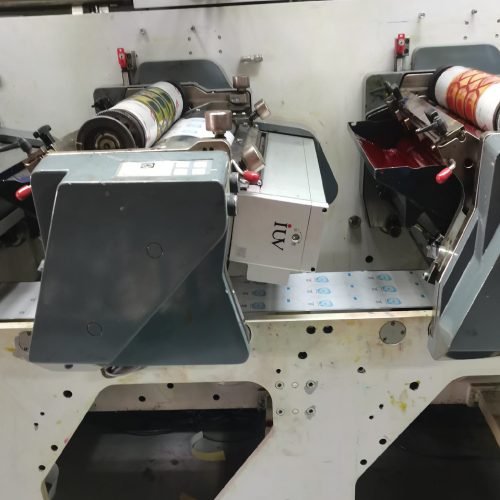
Label Printing: The narrow web label printing industry relies heavily on high-speed production and intricate details. In this sector, LED UV curing is widely adopted for its energy efficiency and instant on/off capabilities. Effective cooling ensures that the high-intensity UV output needed for curing thick ink layers or specialty coatings remains consistent at high web speeds. Without adequate cooling, even minor fluctuations in lamp temperature could lead to under-cured areas or inconsistencies in gloss and adhesion, which are unacceptable for premium labels.
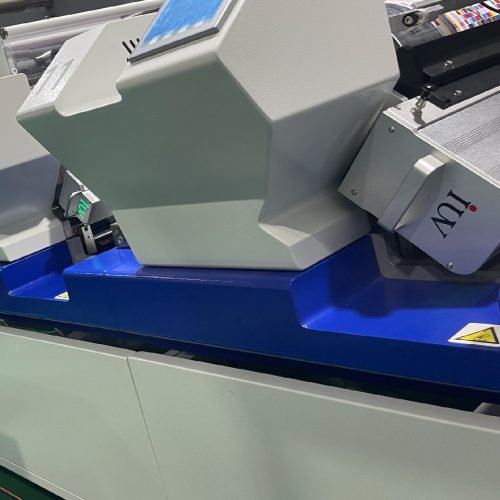
Flexographic Printing: Flexography, especially in packaging applications, often involves printing on a wide range of substrates, including heat-sensitive films. High-performance LED UV curing requires precise temperature management not only of the lamps but also to prevent excessive heat transfer to the substrate. Advanced water-cooling systems are instrumental here, ensuring the LEDs operate at their peak while minimizing thermal impact on the substrate. This allows for faster curing speeds and sharper print definition, crucial for vibrant packaging graphics.
Offset Printing: While offset printing has traditionally used mercury lamps, the transition to LED UV is growing, particularly in commercial and packaging applications. In offset, achieving a full cure on dense ink coverage or specialty varnishes is vital. High-power LED UV systems with robust cooling are necessary to deliver the required UV irradiance consistently across the sheet. Effective cooling prevents “hot spots” on the lamps, which could lead to uneven curing and potential damage to the printing plates or blankets over time.
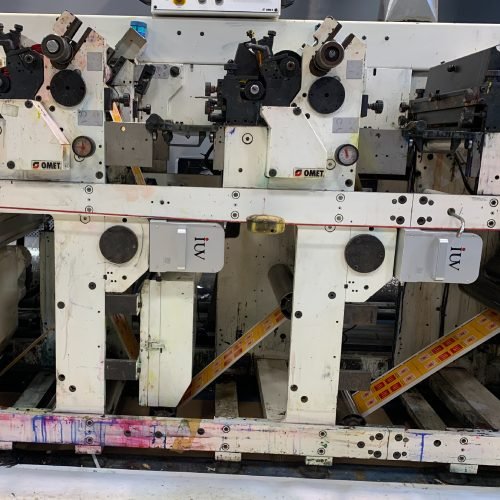
Narrow Web Printing: This category often overlaps with label printing but also includes applications like printing on shrink sleeves, flexible packaging, and specialty tapes. In all these narrow web applications, space is often at a premium, and web speeds are very high. LED UV systems with integrated, compact, and highly efficient cooling solutions are a necessity. The ability to maintain stable lamp temperatures under continuous operation is key to achieving the required cure for a variety of inks and coatings without compromising production speed or print quality.
Benefits of Advanced Cooling Systems
Investing in high-performance LED UV curing systems with advanced cooling technology yields significant advantages.
Enhanced Lamp Lifespan: By maintaining optimal operating temperatures, the stress on LED components is minimized, drastically extending their usable life. This translates to lower replacement costs and reduced downtime.
Consistent UV Output: Stable temperatures ensure a predictable and uniform UV light output across the entire curing width. This consistency is fundamental for achieving reproducible print quality, batch after batch.
Improved Print Quality: Effective cooling contributes to better ink adhesion, optimal gloss levels, and complete curing, even with challenging ink formulations and high printing speeds. It prevents issues like ink smearing or incomplete surface hardening.
Reduced Thermal Impact on Substrates: Advanced cooling systems, particularly those with efficient heat dissipation away from the print zone, help protect heat-sensitive substrates from warping or damage.
Energy Efficiency: While cooling systems themselves consume energy, they enable LED UV lamps to operate at peak efficiency. This overall system efficiency is a hallmark of LED UV technology.
Compact System Design: Modern cooling technologies, especially advanced water-cooling setups, can be highly integrated, allowing for more compact UV curing unit designs that fit seamlessly into existing press configurations.
The Role of Chillers and Heat Exchangers
In water-cooled systems, chillers and heat exchangers are key components. Chillers actively cool the recirculating fluid to a precise temperature, ensuring maximum heat removal. Heat exchangers facilitate the transfer of heat from the circulating fluid to another medium, often ambient air or a facility’s cooling water loop. The selection and capacity of these components are vital for the overall effectiveness of the cooling system. They must be sized appropriately to handle the maximum heat load generated by the LED array, even during peak operational demands.
Maintenance and Monitoring
Regular maintenance of the cooling system is as important as its initial specification. This includes checking fluid levels, ensuring no blockages in the lines, cleaning filters, and verifying the performance of fans or pumps. Many advanced systems also incorporate monitoring capabilities, providing real-time data on fluid temperature and flow rates. This allows operators to proactively identify any potential issues before they impact print quality or lead to equipment failure.
Conclusion
The role of cooling technology in high-performance LED UV curing systems cannot be overstated. It is the silent guardian of consistent print quality, operational efficiency, and equipment longevity. For label, flexographic, offset, and narrow web printers looking to maximize their production capabilities and deliver superior printed products, a deep understanding and appreciation for robust cooling solutions are indispensable. These systems are not merely an accessory but a fundamental component driving the success of modern UV curing applications.