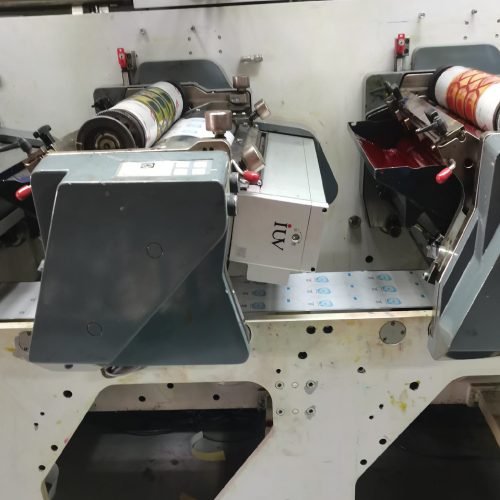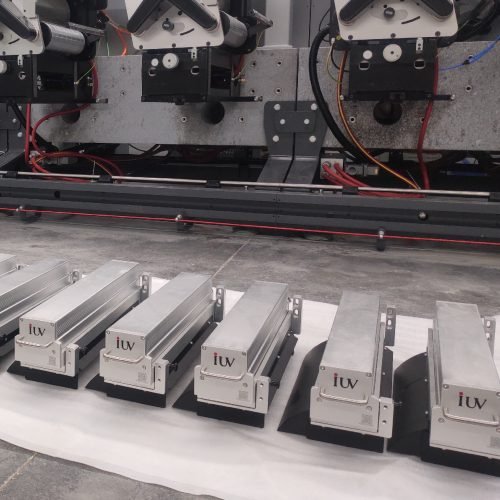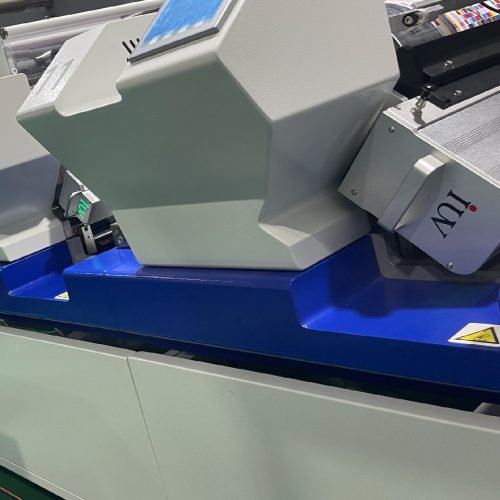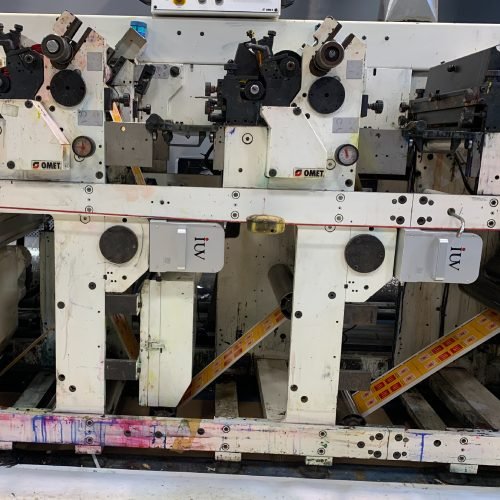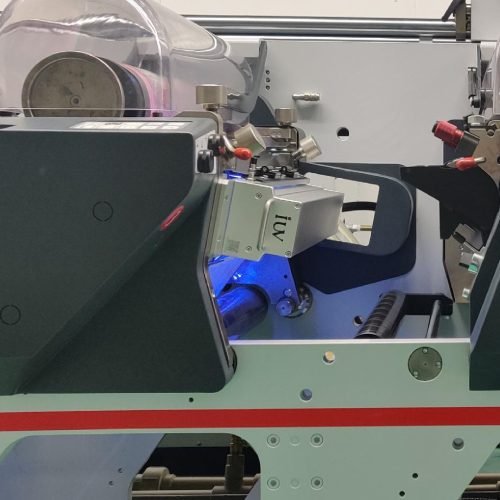
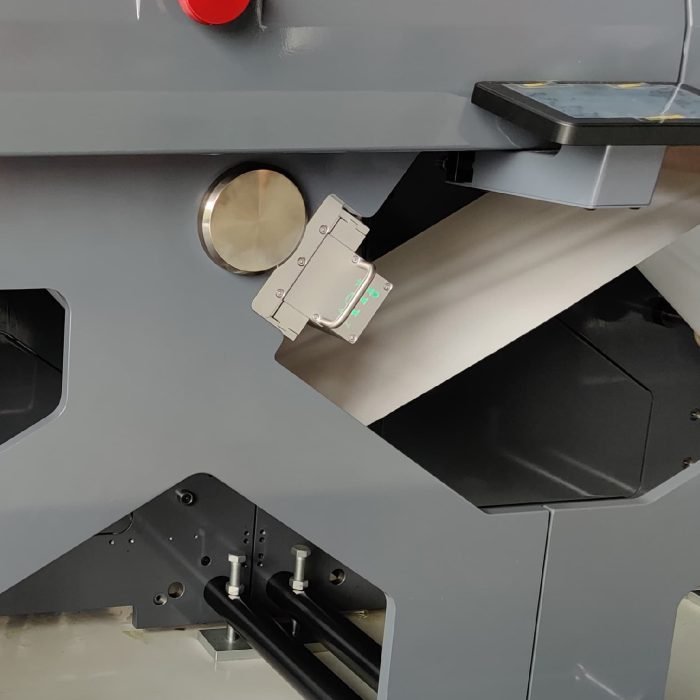
The printing industry is in constant evolution. Offset printing, a cornerstone of high-volume production, continues to adapt to new demands for speed, quality, and environmental responsibility. A significant leap forward in this adaptation comes with the integration of LED UV curing systems. These advanced technologies are revolutionizing offset printing, particularly in narrow web applications, by offering unprecedented energy efficiency and superior performance.
Understanding the Evolution of UV Curing in Offset Printing
For decades, traditional mercury vapor lamps were the standard for UV curing in offset printing. While effective, they came with notable drawbacks. These lamps consumed substantial amounts of energy, generated significant heat, and had a limited lifespan, requiring frequent replacement. The heat output also posed challenges, particularly for heat-sensitive substrates, and limited press speeds.
The introduction of UV LED technology marks a paradigm shift. Unlike mercury lamps that emit UV light across a broad spectrum, LEDs emit UV light at specific wavelengths. This targeted emission leads to more efficient energy transfer to the ink or coating, resulting in faster and more complete curing.
Key Advantages of LED UV Curing for Offset Presses
Switching to LED UV curing systems for offset printing, especially in label, flexible packaging, and narrow web applications, unlocks a cascade of benefits.
Unparalleled Energy Efficiency
This is perhaps the most compelling advantage. LED UV systems consume significantly less energy compared to traditional mercury lamps. This reduction in energy consumption directly translates to lower operating costs for printing businesses. The energy savings are not marginal; they can represent a substantial portion of a press’s operational expenditure. Furthermore, LEDs are more environmentally friendly, aligning with the growing demand for sustainable printing practices.
Reduced Heat Emission and Substrate Flexibility
Traditional UV lamps generate considerable heat. This heat can warp or damage sensitive substrates like thin films or certain papers, limiting the range of materials that can be printed. LED UV systems, on the other hand, emit very little infrared radiation, meaning they produce minimal heat. This allows printers to work with a much wider array of substrates, including heat-sensitive plastics and delicate papers, without compromising print quality or material integrity. This flexibility opens up new market opportunities.
Instant On/Off Capabilities and Longer Lifespan
LEDs offer instant on/off functionality. This is a stark contrast to mercury lamps, which require warm-up and cool-down periods. For printing operations with frequent job changes or intermittent printing, this instant capability saves time and further enhances energy efficiency. Additionally, LED lamps boast a significantly longer operational lifespan – often exceeding 20,000 hours – compared to the typical 1,000-2,000 hours of mercury lamps. This drastically reduces maintenance downtime and the cost associated with bulb replacements.
Enhanced Curing Speed and Quality
The specific wavelengths emitted by LEDs are precisely tuned to the absorption spectrum of UV-curable inks and coatings. This leads to a more efficient photochemical reaction, resulting in faster and more thorough curing. Faster curing speeds allow for higher press speeds, increasing overall productivity. The consistent and uniform light output from LEDs also contributes to superior print quality, with sharper details and more vibrant colors.
Improved Working Environment and Safety
The reduction in heat and ozone produced by LED UV systems creates a safer and more comfortable working environment for press operators. Ozone generation, a byproduct of mercury lamps, requires extensive ventilation systems. LEDs largely eliminate this concern, simplifying installation and improving air quality within the print facility.
LED UV Systems in Specific Offset Printing Segments
The benefits of LED UV curing are particularly pronounced in specialized areas of offset printing.
Narrow Web Offset Printing
Narrow web presses, commonly used for label and flexible packaging production, operate at high speeds and often handle a diverse range of jobs. The efficiency, speed, and substrate flexibility offered by LED UV systems are perfectly suited for this demanding environment. The ability to cure instantly between print stations allows for inline finishing processes and complex multi-layer constructions without compromising throughput. The reduced heat is also crucial when printing on thin films commonly used in flexible packaging.
Label Printing
The label printing sector has been an early adopter of LED UV technology. Whether for pressure-sensitive labels, shrink sleeves, or in-mold labels, LED UV curing enables faster production cycles, wider substrate compatibility (including plastics and foils), and excellent print durability. The instant curing prevents ink transfer issues during subsequent processing steps, a common problem with slower-curing technologies.
Flexible Packaging Printing
For flexible packaging, achieving robust cured inks that can withstand the rigors of product filling, transportation, and consumer handling is paramount. LED UV curing ensures that inks and coatings are fully cross-linked, providing excellent adhesion, rub resistance, and chemical resistance on a variety of films. The low-heat aspect is critical for fragile film substrates.
Sheet-fed Offset for Specialty Applications
While sheet-fed offset printing is often associated with longer runs, LED UV curing is finding its niche in specialty applications. This includes printing on plastics, metalized papers, and other non-porous substrates where traditional curing methods struggle. The enhanced print quality and fast turnaround times are also valuable for high-end commercial print jobs.
Integrating LED UV Systems: Considerations for Offset Printers
While the advantages are clear, a successful transition to LED UV curing involves careful planning.
Wavelength Selection and Ink/Coating Compatibility
LED UV lamps emit light at specific wavelengths, typically in the 200-400 nm range (UVA, UVB, UVC). It is crucial to select lamps with wavelengths that precisely match the photoinitiators present in the UV-curable inks and coatings being used. Most modern UV-curable inks are formulated for specific LED wavelengths, often around 395 nm or 365 nm. Printers must ensure their ink and coating suppliers provide products compatible with their chosen LED system.
Press Retrofitting vs. New Press Investment
Many existing offset presses can be retrofitted with LED UV curing systems. This involves installing the LED lamp units, power supplies, and control systems. The feasibility and cost-effectiveness of retrofitting depend on the press design and available space. Alternatively, purchasing a new press that comes with integrated LED UV curing offers a seamless solution, often with optimized airflow and placement for maximum efficiency.
Power Density and Curing Coverage
The power density (measured in W/cm²) of the LED system is a critical factor. Higher power density generally leads to faster curing. However, it’s not just about raw power; uniform coverage across the entire print width is essential for consistent curing. Factors like lamp placement, cooling, and the optical design of the LED heads play a significant role in ensuring even light distribution.
Maintenance and Operational Support
LED UV systems are generally low-maintenance due to their long lifespan. However, like any sophisticated equipment, they require proper operational understanding and occasional checks. Manufacturers typically provide training and support for installation, operation, and troubleshooting. Understanding the specific maintenance needs of the chosen LED system is important for maximizing its performance and longevity.
The Economic and Environmental Imperative
The adoption of LED UV curing systems is no longer just about technological advancement; it’s an economic and environmental imperative. The significant reduction in energy costs directly impacts the bottom line. The ability to print on a wider range of substrates opens new revenue streams and allows printers to cater to evolving market demands.
From an environmental perspective, the lower energy consumption contributes to a smaller carbon footprint. The elimination of mercury, a hazardous substance, makes LED UV systems a more responsible choice for both manufacturers and end-users.
Conclusion: A Brighter Future for Offset Printing
The integration of LED UV curing systems into offset printing processes represents a major technological leap. For narrow web, label, and flexible packaging printers, the benefits of enhanced efficiency, reduced operating costs, superior print quality, and expanded substrate capabilities are transformative. As the industry continues to prioritize sustainability and performance, LED UV technology is poised to become the de facto standard, illuminating a brighter and more efficient future for offset printing.