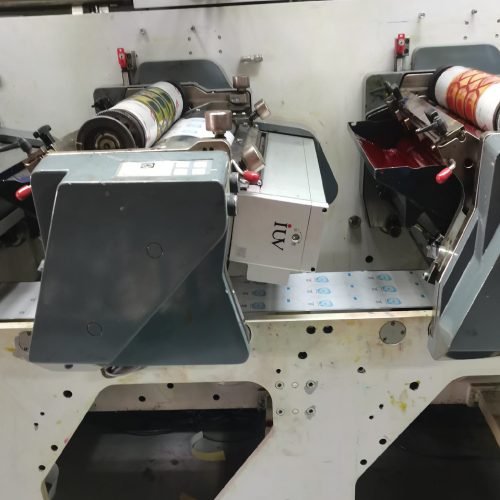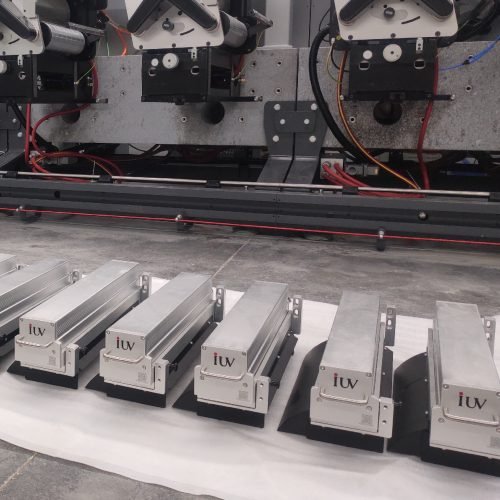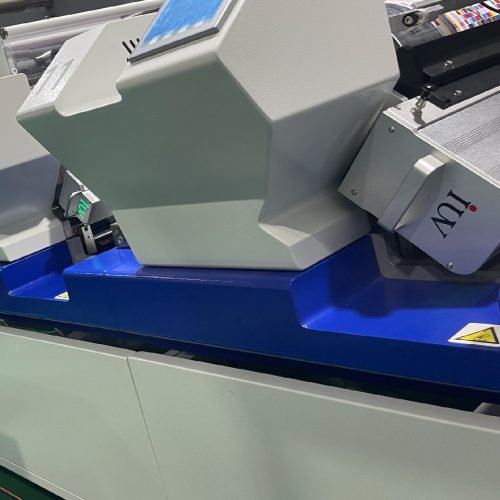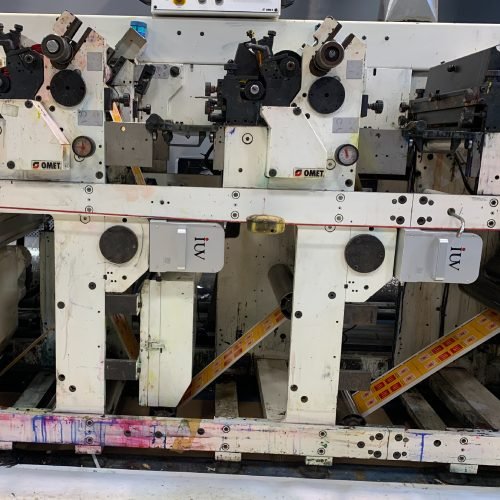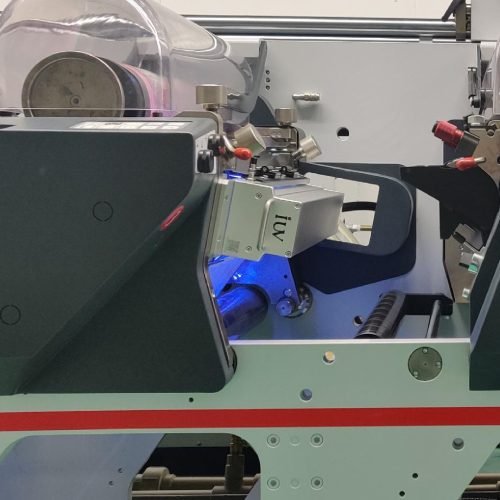
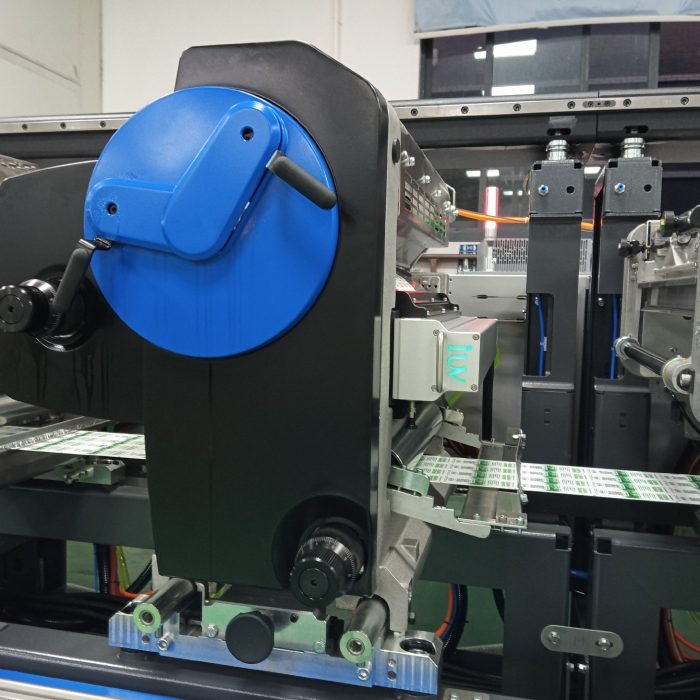
Achieving brilliant, opaque white ink is a persistent challenge in the printing world. This is especially true in narrow web, flexographic, and offset printing applications where vibrant colors and crisp details are paramount. Traditional UV curing methods often struggle to fully cure white inks, leading to compromises in opacity, durability, and overall print quality. However, modern LED UV curing technology offers a powerful solution, revolutionizing how printers achieve superior white ink performance.
The Opacity Dilemma in White Inks
White ink’s primary role is often to act as a base layer, providing a clean canvas for subsequent colors or standing out as a design element itself. The challenge lies in its formulation. To achieve opacity, white inks rely heavily on titanium dioxide (TiO2), a pigment that effectively blocks light. However, TiO2 is also a strong UV absorber, meaning it can hinder the thorough curing of the ink layer. If the UV energy doesn’t penetrate deeply enough, the ink remains under-cured, resulting in:
- Reduced Opacity: The white appears less solid, allowing the substrate color to show through.
- Lower Rub Resistance: Under-cured inks are more susceptible to scratching and scuffing.
- Poor Adhesion: The ink may not bond effectively with the substrate.
- Ink Transfer Issues: In flexographic printing, this can lead to inconsistent ink laydown.
Traditional mercury vapor lamps emit a broad spectrum of UV light, some of which can be useful for curing. However, their intensity can be inconsistent, and they generate significant heat, which can warp thin substrates common in narrow web printing. This heat can also prematurely cure the surface of the white ink, creating a barrier that prevents UV light from reaching the ink deeper within the layer.
The Science Behind LED UV Curing
LED UV curing technology utilizes light-emitting diodes (LEDs) to produce UV light at specific, narrow wavelengths. This targeted approach offers several advantages over traditional methods, particularly for challenging inks like white.
- Precise Wavelengths: LEDs can be manufactured to emit UV light at precise wavelengths that are most efficient for initiating the photoinitiators within the ink. This means more of the emitted energy is actively used for curing.
- High Intensity: Modern LED systems deliver a consistent, high-intensity UV output. This concentrated energy can effectively cure even thicker ink layers.
- Instant On/Off: LEDs reach full power instantaneously. This is beneficial for start-stop printing processes and reduces wasted energy.
- Low Heat Emission: Compared to mercury lamps, LEDs generate very little heat. This is critical for printing on heat-sensitive substrates, common in label and flexible packaging. It also prevents the surface curing problem that inhibits deeper penetration.
- Longer Lifespan and Lower Maintenance: LEDs have a much longer operational lifespan than mercury lamps, reducing downtime and replacement costs.
Optimizing White Ink Curing with LEDs
The precise control offered by LED UV curing is a game-changer for white ink opacity. Here’s how it works in practice for various printing methods:
Narrow Web and Label Printing
In the narrow web sector, label printers frequently encounter demanding applications requiring opaque white for clear film labels, specialty labels, and as a base for vibrant colors on transparent or colored substrates.
- Ink Formulation: Printers can work with ink suppliers who formulate white inks specifically designed for LED curing. These inks contain photoinitiators optimized for the specific wavelengths emitted by LED lamps.
- Wavelength Selection: LED systems can be chosen with wavelengths that best penetrate the TiO2 pigment. Common LED wavelengths for UV curing are in the UVC and UVA bands (e.g., 365 nm, 385 nm, 395 nm, 405 nm). The optimal choice depends on the ink’s photoinitiator package.
- Irradiance and Dose: The high irradiance (UV power per unit area) from LEDs ensures that the entire ink layer receives sufficient energy for complete polymerization. The total UV dose (irradiance multiplied by exposure time) can be finely tuned.
- Cooling: The low heat output of LEDs allows for higher energy delivery without the risk of substrate distortion or excessive surface curing. This ensures the UV energy can reach the bottom of the ink film.
Flexographic Printing
Flexography, widely used in packaging and label printing, benefits immensely from LED UV curing’s ability to achieve opaque white.
- Transfer Efficiency: LED curing ensures that the white ink is fully cured as it transfers from the anilox roll to the plate and then to the substrate. This prevents ink squashing or smearing, ensuring a clean, sharp image.
- Reduced Anilox Fill: With efficient curing, the ink remains “in the cells” of the anilox roller more effectively, leading to better ink transfer and more consistent ink film thickness. This directly contributes to a more opaque white.
- Process Control: The ability to precisely control UV output allows flexo printers to match curing to their press speed, ensuring consistent results roll after roll.
- Sustainability: LED curing systems consume less energy than traditional UV lamps, aligning with growing environmental consciousness in the packaging industry.
Offset Printing (Sheetfed and Web)
While traditionally using different curing technologies, offset printing is increasingly adopting UV, including LED UV, for enhanced capabilities.
- Multiple White Layers: For extremely high opacity requirements, offset printers can now print multiple thin layers of white ink, with LED UV curing between each layer. The efficient curing of each layer prevents ink migration and ensures the final opacity is exceptional.
- Substrate Versatility: Offset printers can expand their offerings to include a wider range of substrates, including plastics and films, where the low heat and precise curing of LED UV are advantageous.
- Overprint White: Applying an opaque white as a flood coat or spot varnish over previously printed areas is a common technique. LED UV curing ensures this white is sharp, opaque, and durable without affecting the underlying inks.
Overcoming White Ink Opacity Challenges
When implementing LED UV curing for white inks, consider these key factors:
- Ink System Compatibility: Always partner with ink manufacturers who offer LED-curable white inks and can provide specific guidance on their performance with different LED systems.
- Curing Unit Integration: Ensure the LED curing units are properly integrated into the printing press. This includes correct positioning, power supply, and exhaust systems.
- UV Measurement: Use a radiometer to regularly measure the UV output of your LED system. This ensures you are delivering the correct dose and helps in troubleshooting any performance issues.
- Substrate and Ink Interaction: Different substrates will reflect or absorb UV light differently. Test your chosen ink and substrate combination thoroughly.
- Press Speed and Energy: The relationship between press speed and UV energy output is critical. A slight adjustment can make a significant difference in curing and opacity.
The Future of Opaque White Printing
Modern LED UV curing technology is fundamentally changing the landscape of opaque white printing. Its precision, efficiency, and low-heat characteristics make it the ideal solution for narrow web, flexographic, and offset printers seeking to elevate their print quality. By embracing this advanced technology and working with compatible ink systems, printers can confidently achieve the brilliant, opaque white results their customers demand, opening doors to new creative possibilities and market opportunities. The persistent challenge of achieving a truly solid white is now a solvable problem, thanks to the power of targeted LED UV energy.