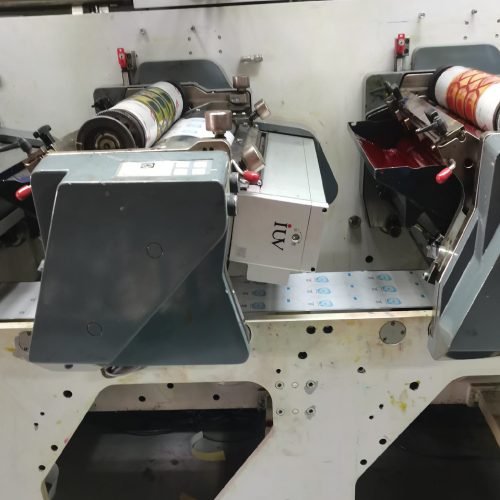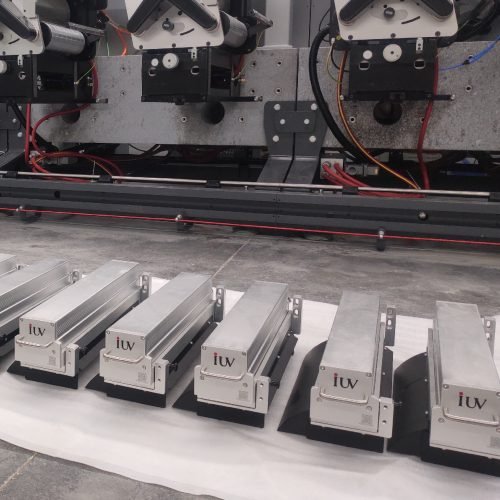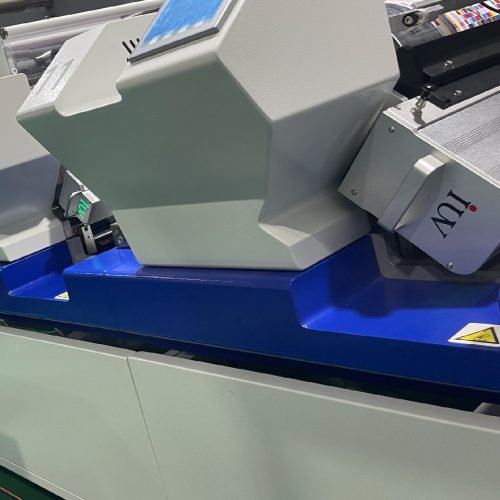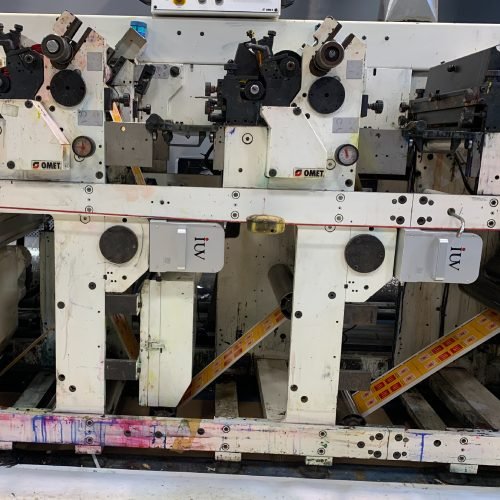
The printing industry is constantly seeking ways to improve efficiency, reduce waste, and elevate product quality. In the realm of UV-curable inks, this quest for improvement often leads to exploring advancements in curing technology. Specifically, the adoption of high-intensity LED curing systems is emerging as a significant factor in extending the shelf life and enhancing the overall stability of UV inks. This shift is particularly impactful for narrow web, flexographic, and offset printing applications.
Understanding UV Ink Dynamics
UV-curable inks are formulated with photoinitiators and monomers that undergo a rapid polymerization process when exposed to ultraviolet light. This process transforms the liquid ink into a solid, durable film almost instantaneously. While this rapid curing is a major advantage in printing, the inherent reactivity of these formulations can also present challenges.
Under typical storage conditions, UV inks can be susceptible to premature curing or degradation. This can be influenced by factors such as ambient light exposure, temperature fluctuations, and the presence of contaminants. Once UV ink begins to cure prematurely in its container, it can become unusable, leading to material waste and increased operational costs. Furthermore, inconsistent curing during the printing process itself can result in poor ink adhesion, reduced gloss, and compromised chemical resistance, all of which impact the final product’s quality and longevity.
The Limitations of Traditional Mercury Vapor Lamps
For many years, mercury vapor lamps have been the standard in UV curing. While effective, these lamps have certain drawbacks. They emit a broad spectrum of UV light, including wavelengths that may not be optimally utilized for curing specific ink formulations. More importantly, mercury lamps generate significant heat, which can contribute to premature ink degradation even before it reaches the printing press. The intensity of mercury lamps can also fluctuate over time, requiring frequent monitoring and replacement to maintain consistent curing performance. Managing the disposal of mercury-containing lamps also presents environmental considerations.
Introducing High-Intensity LED Curing Technology
High-intensity LED (Light Emitting Diode) curing systems represent a technological leap forward. Unlike mercury lamps, LEDs emit a narrow band of UV light at specific wavelengths, precisely matched to the absorption spectrum of photoinitiators in modern UV inks. This targeted emission means that the energy is applied more efficiently, driving the curing reaction with greater precision.
The key advantage of high-intensity LED curing lies in its ability to deliver a powerful and consistent UV output. These systems are designed to produce very high irradiance levels, meaning a greater amount of UV energy per unit area. This intense, focused energy promotes rapid and thorough polymerization, ensuring a complete cure of the ink film.
Impact on UV Ink Shelf Life
One of the most compelling benefits of high-intensity LED curing is its positive impact on UV ink shelf life. Because LED lamps emit minimal heat, they significantly reduce the risk of premature curing within the ink container. The absence of UV-emitting wavelengths that are not critical for curing also means less unintentional energy exposure to the ink during storage.
This leads to inks that remain in a stable, liquid state for longer periods. Printers can store UV inks with greater confidence, knowing that they are less likely to cure spontaneously before being used. This translates directly into reduced waste of expensive ink materials. The ability to maintain the ink’s original viscosity and reactivity profile means that the consistency of print runs is also improved, as there is less variation in ink performance from batch to batch.
Enhancing UV Ink Stability During Printing
Beyond storage, high-intensity LED curing also plays a crucial role in maintaining ink stability during the printing process itself. The precise and powerful energy output from LED systems ensures a complete and uniform cure across the printed substrate. This thorough cure is essential for achieving the desired ink properties:
- Improved Adhesion: A complete cure results in a robust bond between the ink and the substrate, preventing delamination and ensuring durability.
- Enhanced Durability and Resistance: Properly cured UV inks exhibit superior scratch resistance, abrasion resistance, and chemical resistance, vital for labels and packaging that endure demanding environments.
- Consistent Gloss and Appearance: High-intensity LED curing promotes a uniform ink film, leading to consistent gloss levels and a high-quality aesthetic finish across the entire print run.
- Reduced Settling and Pigment Dispersion: The rapid and efficient polymerization achieved with LED curing can help to lock pigments in place, reducing the tendency for pigments to settle over time and maintaining consistent color density.
Applications in Narrow Web, Flexo, and Offset Printing
The benefits of high-intensity LED curing are particularly relevant to the demands of narrow web, flexographic, and offset printing sectors.
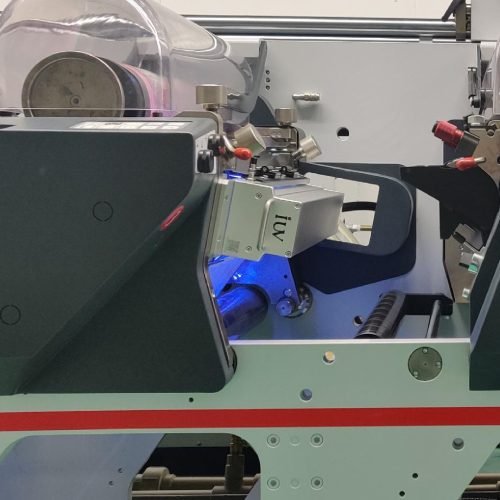
In narrow web printing, where space is often limited and efficiency is paramount, the compact nature of LED curing units is advantageous. The ability to achieve high cure speeds allows for faster press speeds, increasing throughput without compromising quality. The reduced heat output also means less stress on sensitive substrates, which is common in this sector.
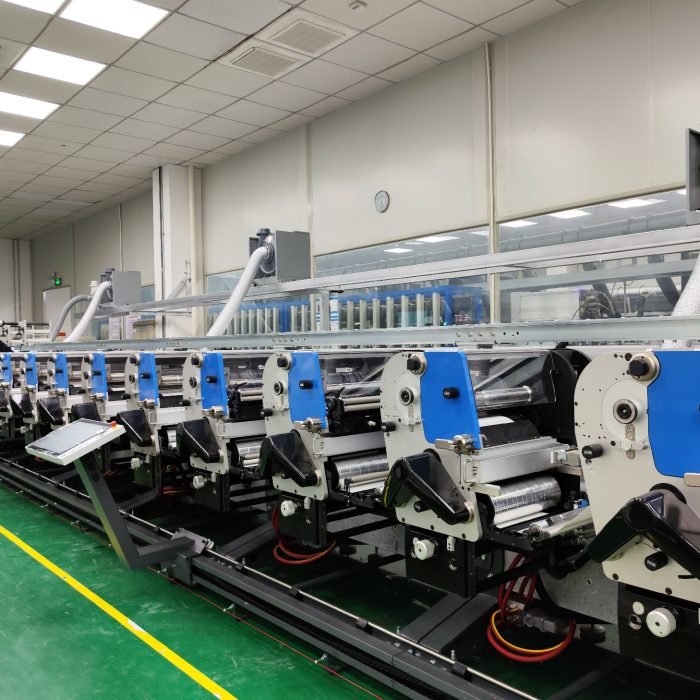
For flexographic printing, especially in label and packaging applications, achieving consistent ink transfer and cure is critical. High-intensity LEDs ensure that even thick ink laydowns cure effectively, providing the necessary durability and visual appeal. The immediate cure also prevents ink from transferring to subsequent rolls or printing stations, a common issue with less efficient curing methods.
In offset printing, particularly for sheetfed or web offset, the precise control offered by LED curing is valuable. It allows for sharp dot definition and excellent ink trapping, contributing to high-resolution graphics. The ability to print on a wider range of substrates, including heat-sensitive materials, is also enhanced due to the low heat emission of LEDs.
The Economic and Environmental Advantages
The adoption of high-intensity LED curing systems brings significant economic and environmental benefits. By extending ink shelf life, waste is dramatically reduced, leading to substantial cost savings. The longer lifespan of LED lamps compared to mercury vapor lamps also means less frequent replacement and associated maintenance costs. Furthermore, LED systems consume less energy, contributing to lower operational expenses and a smaller carbon footprint. The elimination of mercury from the curing process aligns with increasing environmental regulations and corporate sustainability goals.
Choosing the Right LED Curing Solution
When considering a transition to high-intensity LED curing, several factors are important. The specific wavelength output of the LED system should be carefully matched to the photoinitiators present in the UV inks being used. The irradiance level, or UV intensity, needs to be sufficient to achieve the desired cure speed and depth for the particular application. Manufacturers offer a range of LED curing solutions, often allowing for customization based on press speed, ink formulation, and substrate type. Consultation with ink suppliers and curing equipment manufacturers is recommended to identify the optimal solution for specific printing environments.
Conclusion
High-intensity LED curing technology is revolutionizing the way UV inks perform. For narrow web, flexographic, and offset printers, the advantages are clear: extended ink shelf life, reduced waste, enhanced ink stability during printing, and improved overall print quality. By providing a more efficient, precise, and environmentally friendly curing solution, high-intensity LED systems are empowering printing businesses to achieve new levels of productivity and product excellence. The move towards this advanced technology is not just an upgrade; it’s a strategic investment in the future of high-performance printing.