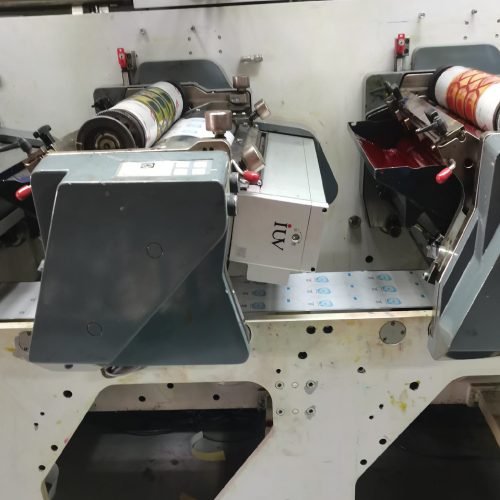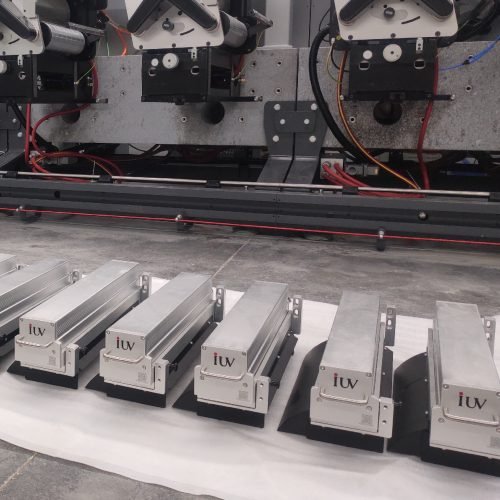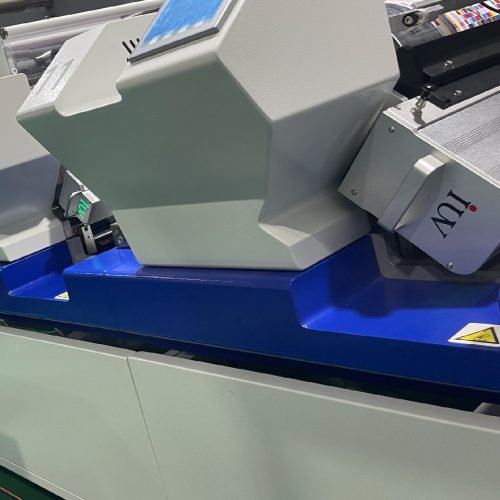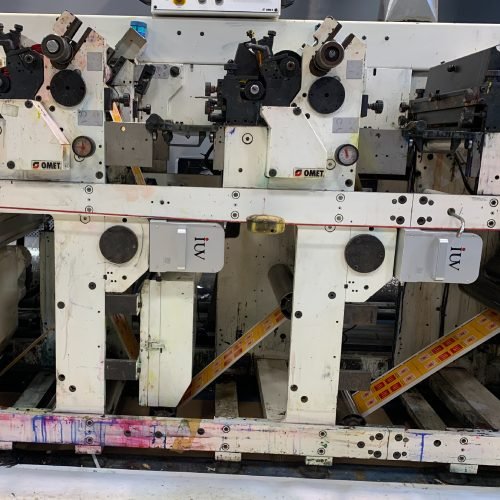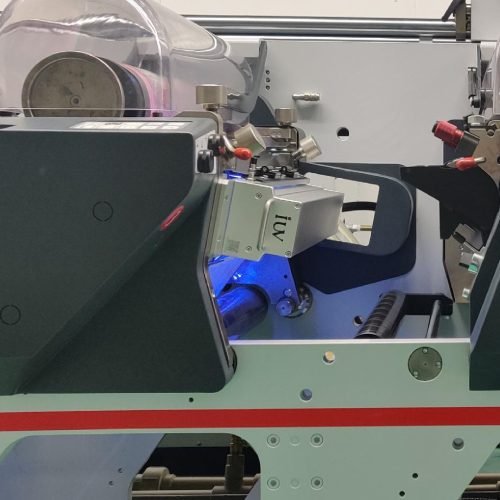
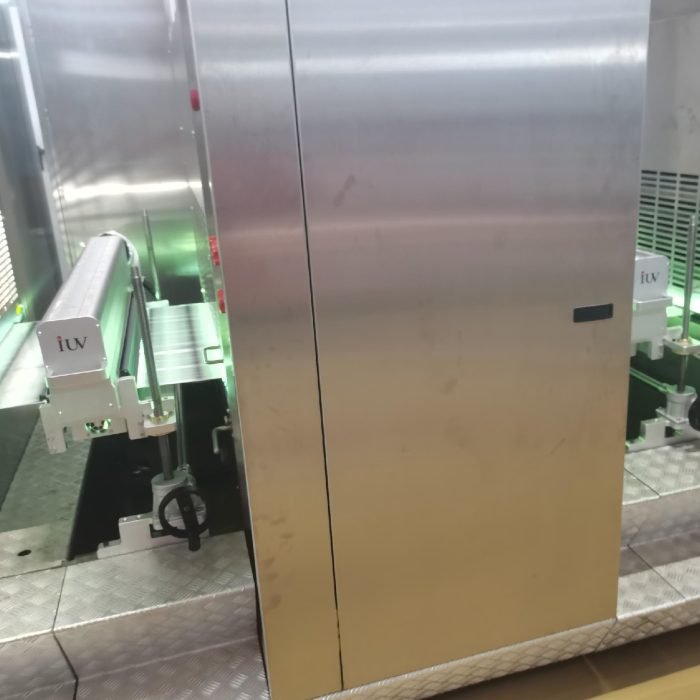
In the competitive landscape of label printing, achieving crisp, readable fine text and micro-labels is paramount. Whether it’s intricate product information, small barcodes, or detailed branding elements, the ability to render these tiny details with precision directly impacts product appeal, regulatory compliance, and brand perception. Traditional UV curing methods, while effective for general drying, can sometimes fall short when faced with the challenges of such demanding print jobs. This is where intelligent UV curing control steps in, offering a sophisticated solution to elevate print quality and efficiency.
The Challenge of Fine Details in Printing
Printing small text and micro-labels presents unique hurdles. Ink needs to be applied thinly and precisely, and if the curing process isn’t perfectly managed, several issues can arise. Ink spread, or “dot gain,” can cause fine lines to blur and text to lose its sharpness. Insufficient curing can lead to smudging and poor adhesion, while over-curing can make the ink brittle or cause shrinkage, distorting the printed image. For narrow-web printing, where speed and precision are critical, these challenges are amplified. Flexographic and offset printing, common in label production, demand consistent ink laydown and thorough curing to maintain image integrity at high speeds.
Understanding UV Curing Technology
UV curing utilizes ultraviolet light to initiate a photochemical reaction that solidifies liquid inks, coatings, or adhesives. This process offers significant advantages over conventional thermal drying, including faster curing times, lower energy consumption, and reduced VOC emissions. The core components are UV lamps (traditionally mercury vapor lamps, but increasingly LED-based) and the specific photopolymer chemistry of the inks and coatings. The effectiveness of UV curing depends on several factors: the intensity of the UV light, the wavelength of the emitted light, the exposure time, and the distance between the lamp and the substrate.
The Rise of LED UV Curing
Light Emitting Diode (LED) UV curing technology represents a significant advancement. Unlike mercury lamps, LEDs emit a specific, narrow band of UV wavelengths, typically in the UVA spectrum (365nm, 395nm, 405nm). This focused emission is highly efficient, leading to faster and more consistent curing. LEDs also offer a longer lifespan, instant on/off capabilities (reducing energy waste and heat build-up), and a more stable output over time. For fine-text printing, the controlled and uniform energy delivery from LEDs is particularly beneficial, minimizing the risk of uneven curing and ink distortion.
Intelligent UV Curing Control: What It Means
Intelligent UV curing control moves beyond simply turning UV lamps on and off. It involves precise management of the curing parameters to optimize results for specific print jobs. This often involves:
- Variable Power Output: The ability to adjust the UV lamp’s intensity based on ink type, substrate, print speed, and the density of the printed area. For micro-labels, a lower power setting might be used to prevent overheating and ink spread, while still ensuring full cure.
- Precise Wavelength Selection: For LED systems, selecting the optimal wavelength that best matches the photoinitiators in the ink or coating formulation. This ensures maximum curing efficiency with minimal wasted energy.
- Dynamic Speed Synchronization: The curing system automatically adjusts exposure time and power to match the press speed in real-time. This is crucial for narrow-web flexo and offset presses that operate at high and sometimes variable speeds.
- Closed-Loop Feedback Systems: Sensors monitor the curing process and provide feedback to the control system, allowing for automatic adjustments to maintain optimal conditions. This can include measuring UV irradiance or even monitoring ink surface temperature.
- Job-Specific Presets: Storing optimal curing settings for different ink types, substrates, and job requirements. This allows for rapid setup and ensures consistent quality across repeat orders.
Benefits for Fine-Text and Micro-Label Clarity
Implementing intelligent UV curing control brings tangible improvements to fine-text and micro-label printing:
- Sharper Edges and Reduced Ink Spread: By precisely controlling UV intensity and exposure, the curing process can be optimized to solidify the ink quickly without allowing it to spread outwards. This preserves the sharp definition of small fonts and delicate lines.
- Consistent Curing Across the Web: Intelligent systems ensure uniform UV energy delivery across the entire width of the substrate. This is vital for consistent micro-label quality, especially in wide-format narrow-web presses.
- Enhanced Ink Adhesion and Durability: Proper and controlled curing ensures that the ink bonds effectively with the substrate, leading to improved scratch resistance, rub resistance, and overall durability – essential for labels that endure handling and environmental exposure.
- Minimized Substrate Distortion: Over-curing or excessive heat can cause certain substrates to shrink or warp, distorting fine details. Intelligent systems, especially with low-heat LED curing, mitigate this risk, maintaining the integrity of the printed elements.
- Improved Color Reproduction: Consistent curing leads to more predictable ink film properties, which in turn results in more accurate and vibrant color reproduction, even for the smallest printed elements.
- Reduced Waste and Rework: By achieving high-quality results from the first print, the need for costly reprints and waste is significantly reduced, contributing to greater profitability.
Applications in Label Printing Technologies
Flexographic Printing: In narrow-web flexography, where speed and tight tolerances are key, intelligent UV curing is indispensable. It allows for crisp text and fine graphics on a wide range of substrates, from films to textured papers, ensuring that barcodes remain scannable and small fonts legible.
Offset Printing: For label offset presses, especially those handling high-volume, high-detail work, advanced UV curing ensures that intricate designs and sharp text are maintained throughout the print run. The ability to match curing to ink density is crucial here.
Digital Printing: While digital printing offers its own advantages for short runs and personalization, the inline curing process is still critical. Intelligent UV control ensures that the ink jetted onto the substrate is perfectly cured for optimal adhesion and image quality, especially for micro-text often found on variable data labels.
Optimizing for Different Substrates and Inks
The intelligence in UV curing control allows for fine-tuning to specific materials. Porous substrates like uncoated paper might require a slightly different curing profile than non-porous films or foils. Similarly, different ink chemistries (e.g., pigmented vs. clear, high-viscosity vs. low-viscosity) have varying curing needs. An intelligent system can account for these variables, ensuring that whether you’re printing on a clear polyester label for a cosmetic product or a paper label for a food item, the micro-text remains impeccable.
The Future of UV Curing in Fine Print
As printing technology continues to advance, so too will UV curing. We can anticipate even more sophisticated sensor integration, AI-driven process optimization, and tighter integration with press control systems. The demand for higher print quality, greater efficiency, and the ability to produce ever-smaller, more intricate details on labels and packaging will only drive the adoption of intelligent UV curing solutions. For printers aiming to stand out in the crowded label market, mastering this technology is no longer a luxury, but a necessity for achieving superior fine-text and micro-label clarity.