Tackling Narrow-Web Flexo Challenges with LED Curing: A Proactive Approach
Narrow-web flexographic printing, a cornerstone of the label and packaging industry, continually pushes the boundaries of efficiency and quality. However, like any sophisticated process, it’s not without its challenges. When transitioning to or optimizing LED UV curing systems, printers often encounter specific issues that can impact output and profitability. This guide delves into common troubleshooting scenarios and provides practical solutions, leveraging the advantages of LED technology.
The Rise of LED Curing in Narrow-Web Flexo
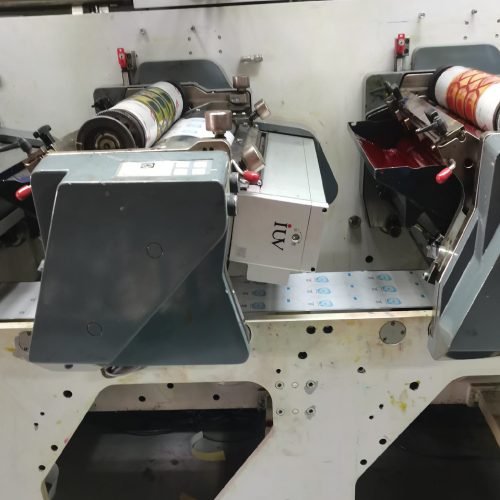
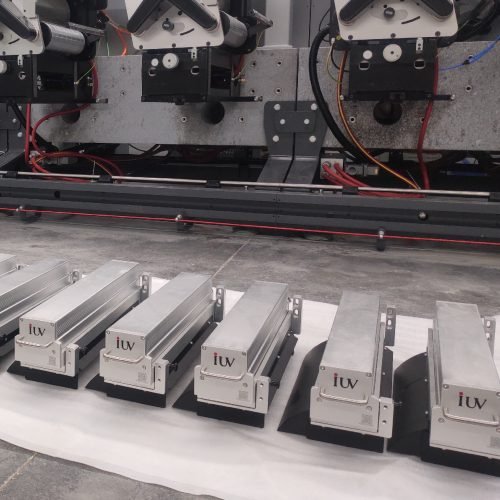
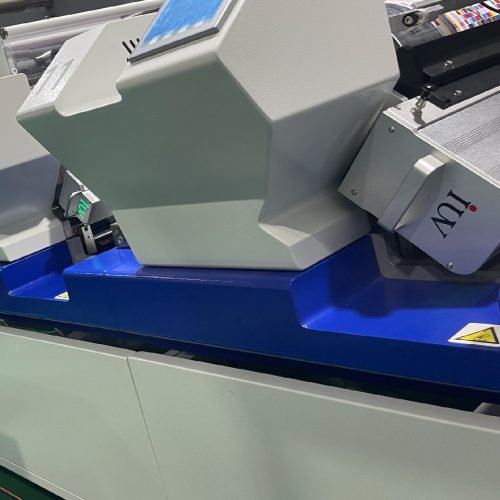
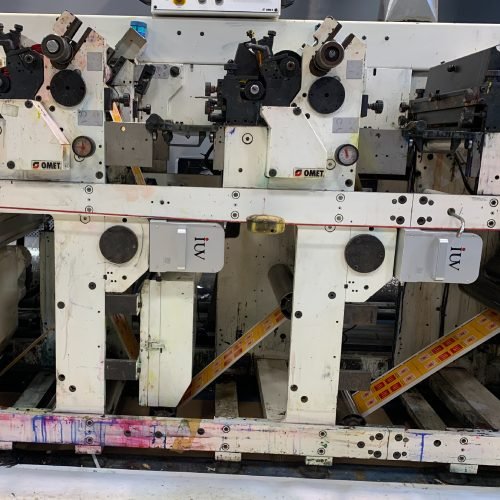
Traditional UV curing systems have long been a staple in flexographic printing, offering fast drying times and durable finishes. LED UV curing represents a significant evolution. These systems offer numerous benefits, including reduced energy consumption, lower heat transfer to the substrate, a longer lifespan, and mercury-free operation. For narrow-web presses, which prioritize speed and precision, LED curing can be a game-changer. It allows for faster press speeds and sharper print quality, especially on heat-sensitive materials.
However, the unique characteristics of LED lamps, particularly their specific wavelength output and intensity, require a tailored approach to troubleshooting. Understanding how these systems interact with inks, coatings, and the printing process itself is key to resolving issues swiftly.
Ink-Related Troubleshooting with LED Curing
Ink performance is paramount in flexography. With LED curing, the interaction between ink chemistry and the specific UV wavelengths emitted by the LEDs is critical.
Issue 1: Incomplete Curing (Undercuring)
This manifests as tacky ink, poor rub resistance, and potential ink transfer to other surfaces.
- Cause: Insufficient UV energy reaching the ink. This can be due to several factors related to the LED system or the ink formulation.
- Solutions:
- Check Lamp Intensity: Verify that the LED lamps are operating at their specified output. Lamp degradation or power supply issues can reduce intensity. Consult your equipment manufacturer’s guidelines for checking intensity levels.
- Evaluate Wavelength Compatibility: Ensure your UV inks are formulated for LED curing. Traditional UV inks may not absorb energy efficiently at the specific wavelengths of LED lamps (often 395 nm). Use inks specifically designed for LED curing.
- Ink Film Thickness: Excessive ink film thickness can lead to insufficient UV penetration. Optimize anilox roll cell volume and doctor blade pressure.
- Press Speed: If the press speed is too high, the ink doesn’t receive adequate UV exposure. Gradually reduce press speed to see if curing improves.
- Distance Between Lamp and Substrate: Ensure the LED lamp is positioned at the optimal distance. Too far and the energy density drops; too close and you might overheat the substrate.
- Contamination: Oily residues or contaminants on the substrate or in the ink can interfere with UV absorption. Maintain a clean printing environment.
Issue 2: Over-Curing (Yellowing or Brittleness)
While less common than under-curing, over-curing can occur, leading to yellowing of white inks or coatings, and making the cured ink film brittle.
- Cause: Excessive UV energy or prolonged exposure.
- Solutions:
- Reduce Lamp Intensity: If possible, adjust the power output of the LED lamps.
- Increase Press Speed: Running the press faster will reduce the exposure time.
- Optimize Ink Formulation: Some LED inks are more prone to yellowing. Work with your ink supplier to select formulations with improved stability.
- Filter Unwanted Wavelengths: While LED lamps are generally narrow-band, some systems might have slight variations. Consult your lamp manufacturer.
Issue 3: Poor Adhesion
Even if the ink appears cured, poor adhesion to the substrate is a critical failure.
- Cause: Incomplete chemical reaction or poor substrate wetting.
- Solutions:
- Confirm Full Cure: Conduct rub tests and adhesion tests (e.g., cross-hatch tape test) rigorously. If under-curing is suspected, address it first using the methods above.
- Substrate Surface Energy: Low surface energy substrates require proper surface treatment (e.g., corona, flame, or plasma treatment) to ensure ink wettability and adhesion. Verify treatment levels.
- Ink Formulation: Ensure the ink is designed for the specific substrate. Some inks have better adhesion properties than others.
- Contamination: As with under-curing, contamination can prevent proper adhesion.
Plate and Impression Issues with LED Curing
Plate quality and the impression process are fundamental to flexo printing. LED curing can sometimes exacerbate or reveal existing issues.
Issue 4: Poor Dot Gain or Dot Shape Distortion
Crisp dots are essential for high-quality print. LED curing’s efficiency can highlight issues in plate making or transfer.
- Cause: Problems with plate relief, ink transfer, or the photopolymerization process.
- Solutions:
- Plate Material: Ensure your photopolymer plates are compatible with UV curing and designed for the LED wavelengths being used.
- Exposure and Processing: Plate exposure settings (both UV and LED) are critical. Overexposure or underexposure during plate making can lead to unwanted dot gain. Ensure proper processing of the plates.
- Anilox Roll: An incorrect anilox roll (too high or too low cell volume) can cause excessive ink transfer, leading to dot gain.
- Impression Cylinder: A worn or incorrectly packed impression cylinder can lead to uneven pressure and dot distortion.
- Doctor Blade Setup: Ensure the doctor blade is clean, sharp, and set at the correct angle and pressure to achieve a clean ink transfer without excessive wiping.
Issue 5: Ghosting (Subtle Repeating Images)
Ghosting can appear as faint repetitions of image elements.
- Cause: Often related to ink transfer or plate relief, but can be influenced by curing.
- Solutions:
- Ink Transfer Optimization: Ensure consistent and appropriate ink transfer across the entire printing width.
- Plate Relief: Inconsistent plate relief can lead to uneven ink transfer.
- Cylinder Pressure: Ensure even pressure between the anilox roll and the plate, and between the plate and the impression cylinder.
- Ink Rheology: Ink viscosity and flow properties play a role. Ensure the ink is within the optimal range for the press and anilox.
Press and Operational Issues with LED Curing
The integration of LED curing systems into the narrow-web press environment brings its own set of considerations.
Issue 6: Substrate Deformation or Shrinkage
While LED curing generates less heat than mercury lamps, it’s not entirely heat-free, and UV radiation can sometimes cause dimensional instability in certain materials.
- Cause: Heat build-up or UV radiation’s effect on polymer chains.
- Solutions:
- Ventilation: Ensure adequate ventilation around the LED curing units to dissipate heat.
- Cooling Systems: Some presses incorporate substrate cooling systems. Ensure these are functioning optimally.
- Press Speed and Exposure: Adjust press speed and LED intensity to minimize exposure duration and energy.
- Substrate Choice: Some plastic films are more susceptible to thermal or UV-induced shrinkage. Consider alternative materials or ensure they are properly stabilized.
Issue 7: Ozone Generation (Less common with LEDs, but worth noting)
Traditional mercury lamps produce ozone, requiring ventilation. While LED lamps produce significantly less, it’s good practice to be aware.
- Cause: The UV wavelengths can, in some cases, interact with air to form ozone.
- Solutions:
- Ventilation: Even with LEDs, ensure your press area has adequate ventilation to remove any potential air contaminants.
- LED System Design: Modern LED curing systems are designed to minimize ozone production. Consult your supplier.
Optimizing LED Curing Performance
Beyond troubleshooting specific issues, proactive optimization can prevent many problems from arising.
- Ink System Integration: Work closely with your ink supplier. They are the experts in formulating inks that are perfectly matched to your LED curing system’s wavelengths and intensity. Share details about your press, speed, and substrate.
- Anilox Roll Selection: The correct anilox roll is crucial for precise ink transfer. This is directly linked to achieving the correct ink film thickness for optimal LED curing.
- Plate Technology: Utilize modern photopolymer plates designed for the specific demands of narrow-web flexo and LED curing. Consider plate types that offer excellent detail reproduction and durability.
- Press Maintenance: Regular maintenance of the press, including doctor blade systems, anilox rolls, and impression cylinders, is non-negotiable.
- Operator Training: Ensure your press operators are well-trained on the nuances of LED curing, including best practices for ink handling, press setup, and troubleshooting. They are your first line of defense.
- Quality Control: Implement robust quality control checks throughout the printing process. This includes checking ink tack, rub resistance, adhesion, and visual quality at regular intervals.
Conclusion: Embracing LED for Enhanced Flexo Printing
Troubleshooting issues in narrow-web flexographic printing with LED curing requires a systematic approach. By understanding the interplay between ink, plates, substrate, and the LED system itself, printers can identify root causes and implement effective solutions. The move to LED curing offers significant advantages in terms of efficiency, quality, and environmental impact. By proactively addressing potential challenges and optimizing your setup, you can unlock the full potential of this advanced curing technology for superior label and packaging production.