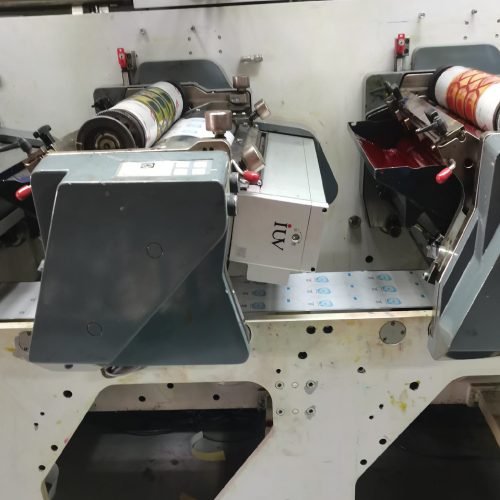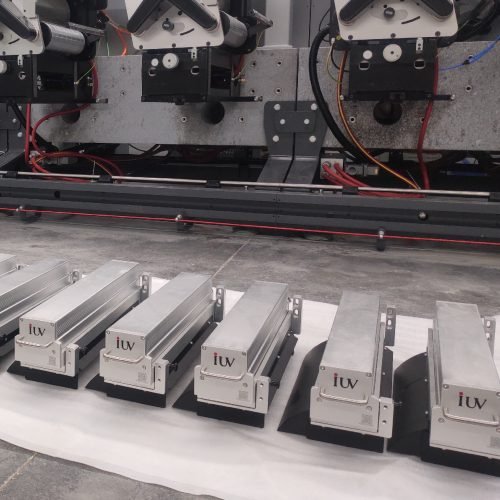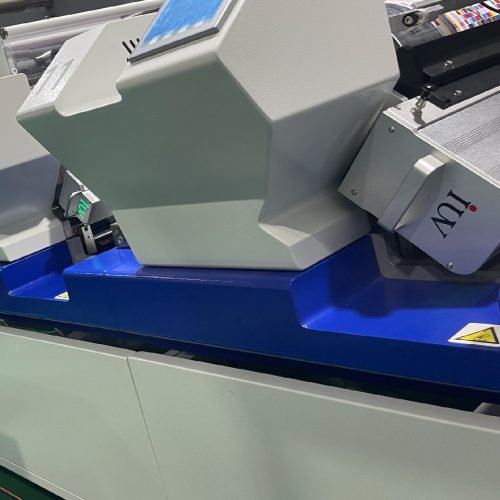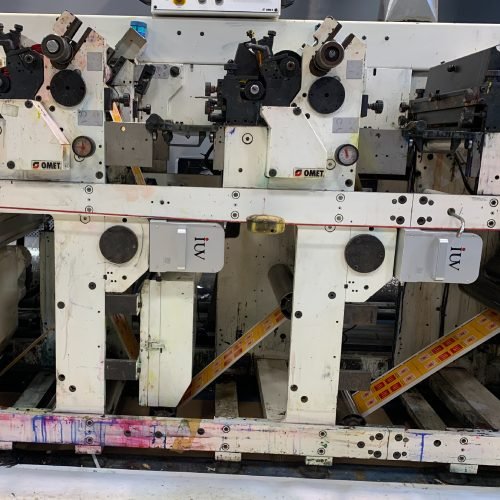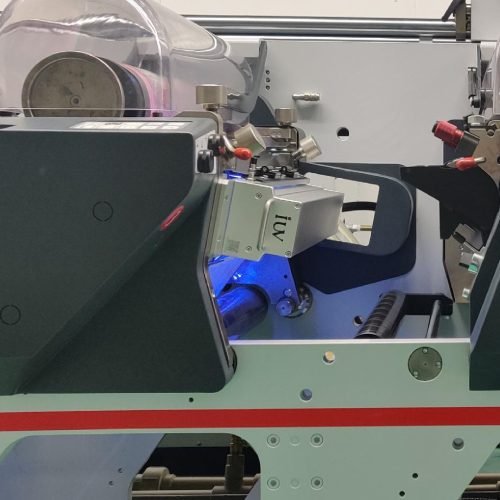
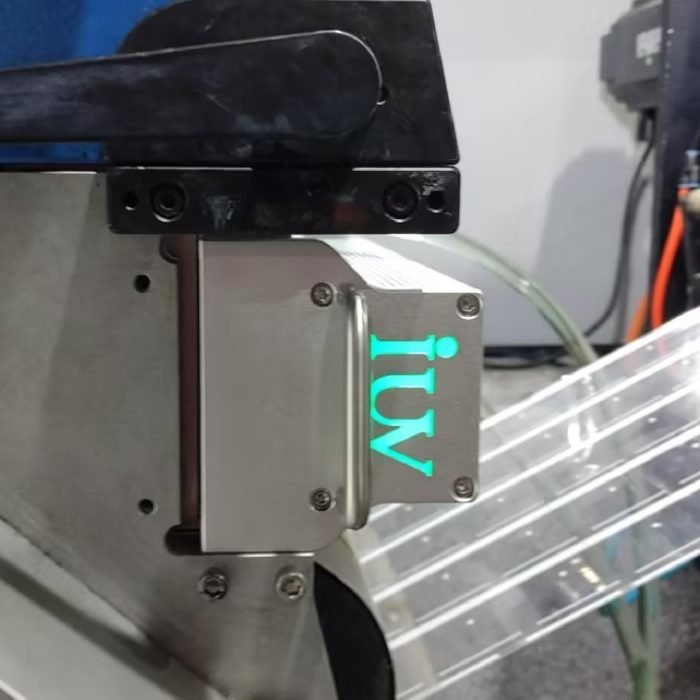
Narrow web printing blends speed, precision, and compact footprints. UV curing has become a core enabler for label printing, flexography, gravure, and other narrow web processes. Yet the same speed and efficiency that drives production can introduce safety risks if shielding, ventilation, and operator training are not aligned with the cure system. This article summarizes UV curing safety concepts and lays out best practices tailored to narrow web pressrooms. It covers LED and mercury arc technologies, the specifics of label, flexo, and gravure printing, and concrete steps to reduce exposure, emissions, and fire or chemical hazards.
UV Curing Systems: LED vs Mercury Arc
Two main UV curing technologies dominate narrow web operations: LEDs and mercury arc lamps. Each has distinct safety profiles.
- LED curing
- Emission profile: LEDs deliver a narrow spectral band, typically around 395–405 nm for many inks. Some systems use 365–420 nm variants to match photoinitiators.
- Advantages: minimal heat input to the substrate, instant-on capability, no ozone generation, longer lamp life, and reduced equipment downtime.
- Safety considerations: exposure to high-intensity UV light must still be controlled. PPE and shielding remain essential, especially for non-target exposure zones around the lamp heads.
- Mercury arc curing
- Emission profile: broad-spectrum UV with UVA, UVB, and a portion of UVC. This broad output provides fast cure for many inks but also increases risk of ozone generation and radiant heat.
- Advantages: robust cure for a wide range of ink chemistries and thicker coatings; well-established process control and monitoring in older installations.
- Safety considerations: ozone production is a factor; intense UV exposure and higher radiant heat require active ventilation, shielding, and protective equipment. Lamps wear out and require replacement with proper handling.
The choice between LED and mercury arc shapes the safety plan. LED systems reduce some hazards but still demand rigorous exposure control. Mercury arc systems demand ventilation, ozone monitoring, and interlocks to minimize exposure.
Safety Hazards in Narrow Web Pressrooms
A focused risk assessment should consider four main categories: exposure to UV light, emissions, chemical hazards, and physical hazards from equipment.
- UV exposure to skin and eyes
- Direct exposure to UV light can cause temporary discomfort, photokeratitis, or longer-term skin effects. Workers in proximity to lamp heads, open curing zones, or handling unshielded modules may be at risk.
- Ozone and air pollutants
- Mercury arc lamps release ozone and, with certain inks and solvents, other volatile compounds. Ozone affects respiratory comfort and can irritate the eyes if outside dedicated ventilation.
- Chemical hazards
- Inks, primers, coatings, and cleaners contain photoinitiators and monomers that can irritate skin or eyes. Some residual vapors can create unpleasant odors or chemical exposure during maintenance and cleanup.
- Heat and fire risk
- UV lamps generate heat and, in some designs, elevated substrate temperatures. Cured products may outgas or soften adjacent materials, creating a risk in enclosed spaces.
- Electrical hazards
- UV systems are high electrical load devices with ballast, drivers, and interlocks. Improper wiring or maintenance increases shock risk and could trigger arc faults.
- Pressure, slips, and mechanical hazards
- Press components move rapidly. Curtain shielding, interlocks, and guardrails reduce risk, but maintenance tasks can bring workers into hazardous zones.
Engineering Controls: Shielding, Ventilation, and Interlocks
A robust safety plan relies on layered protections that don’t rely solely on PPE.
- Shielding and zoning
- Enclose curing modules or install curtains that block stray UV radiation. Use interlocked doors to ensure the system turns off when opened.
- Position lamps so that exposed zones align with the operator’s line of sight away from the eye. Include baffles to absorb stray reflections.
- Ventilation and air quality
- Use dedicated ventilation for mercury arc systems to extract ozone and solvents. Consider between-zone separation to prevent cross-contamination of clean and cure zones.
- For LED systems, ventilation remains prudent due to heat and off-gassing from inks, but ozone concerns are minimized.
- Interlocks and safety controls
- Interlocks on access doors and shields prevent exposure during maintenance. Alarm indicators for UV, ozone, or overheat conditions help operators respond quickly.
- Monitoring and alarms
- Periodic ozone monitoring and UV irradiance mapping help verify that shielding and ventilation stay effective. Log readings to track improvements over time.
Personal Protective Equipment and Operator Training
PPE should reflect the actual risks in the pressroom and be supported by a culture of safety.
- Eye protection: UV-rated safety glasses or face shields with side protection are essential in zones with UV exposure. Lens tint and UV filtering should meet the relevant safety standard for the curing spectrum in use.
- Skin protection: long sleeves, flame-retardant lab coats, and gloves suitable for chemical handling reduce skin contact with inks and cleaners. For operations with hot surfaces, heat-resistant garments may be needed.
- Respiratory protection: in spaces with ozone or solvent fumes, use proper respirators or rely on mechanical ventilation to maintain air quality near permissible exposure limits.
- Hair and clothing: secure loose clothing and long hair to avoid entanglement with rotating parts or hot components near the curing zone.
- Training: provide regular, practical training on UV safety, PPE use, emergency procedures, and the location of safety equipment. Training should cover both LED and mercury arc systems, with refreshers aligned to maintenance cycles.
Process-Specific Considerations for Narrow Web Printing
Different printing processes carry unique safety nuances. The following highlights help tailor safety plans to label printing, flexography, gravure, and narrow web operations.
- Label printing
- Substrates and inks: thin label stock and specialty coatings may require precise cure levels to avoid tackiness or blocking. Inks often include photoinitiators that can cause skin sensitivity on repeated handling.
- Safety focus: guard against emissions from solvents in sleeve adhesives and the potential for photoinitiator odors. Ensure good local exhaust near laminating and converting steps.
- Flexography
- Ink chemistry: UV-curable flexographic inks need reliable cure for thin films and reverse-side printing. Incomplete cure increases rub-off risk and can create haze on transparent substrates.
- Safety focus: ensure the cure module covers the web path; verify that there are no gaps where UV light can reach operators. Shielding should account for high-speed web travel.
- Gravure printing
- Ink deposition: gravure often uses high-load pigments in narrow-web formats. Adequate cure must reach recessed cells to prevent smearing near doors and web splices.
- Safety focus: maintain consistent lamp output for high-fidelity color while keeping exposure in bound zones. Manage any maintenance emissions from solvent-based cleaners.
- Narrow web and print line integration
- System alignment: ensure curing units are aligned with web tension and registration controls. Misalignment can create hotspots and uneven cure, which can worsen safety risks due to repeated exposure in fixed zones.
- Safety focus: implement safe operating procedures for web threading and lamp maintenance to minimize exposure.
Substrate and Ink Interactions: Safety and Quality
UV photoinitiators respond to light in specific ranges. Substrate choice and ink chemistry influence both cure and safety.
- Photoinitiator leachables
- Some photoinitiators can migrate to the surface, potentially posing skin contact risks during handling of finished labels. Use substrates and label materials with compatible chemistry and provide washing or cure-through steps when needed.
- Outgassing and odors
- Incomplete cure can leave odors or volatile components near the workstation. Adjust energy dose to avoid undercure while maintaining safety margins.
- Post-cure stability
- Fully cured coatings are less prone to off-gassing. However, overly aggressive cure can cause substrate distortion or embrittlement, which creates mechanical hazards in handling finished rolls.
Monitoring, Maintenance, and Training for Ongoing Safety
A living safety program is essential in a fast-paced pressroom. Regular checks help maintain both safety and print quality.
- Calibration and validation
- Routine UV dose mapping and spectral checks ensure lamps or LEDs emit within their designed bands. Document changes and adjust process windows accordingly.
- Ventilation and emission controls
- Maintain filters, ducts, and ozone monitors. Replace or service components according to manufacturer recommendations to prevent buildup of hazardous emissions.
- PPE and signage updates
- Review PPE effectiveness and replace worn items. Update warning signs to reflect changes in process or equipment.
- Incident reporting and drills
- Track any exposure incidents or near misses. Conduct practice drills for lamp failure, ventilation shutdown, or emergency egress.
A Practical Implementation Checklist
Use this concise checklist to start or improve UV curing safety in a narrow web pressroom.
- Conduct a formal risk assessment for UV exposure, emissions, and chemical hazards.
- Choose shielding, curtains, and interlocks appropriate to the curing system and line speed.
- Install dedicated local exhaust for mercury arc systems and ensure adequate air exchange.
- Implement UV exposure zone mapping for operators and apprentices.
- Provide UV-rated eye protection, skin protection, and appropriate respirators if required.
- Train staff on safe lamp handling, maintenance procedures, and hazardous material data sheets.
- Establish maintenance schedules for lamp drivers, reflectors, and cooling systems.
- Verify cure through process validation, ensuring ink and substrate compatibility.
- Maintain a visible log of system status, alarms, and corrective actions.
- Review safety procedures after major process changes or new substrates.
Conclusion
Safety in narrow web pressrooms hinges on a layered approach: robust shielding, effective ventilation, vigilant monitoring, and ongoing training. LED and mercury arc curing each demand attention to distinct hazards, from UV exposure and ozone to chemical vapors and heat. When processes for label printing, flexography, gravure, and narrow web are designed with safety as a core parameter, manufacturers gain reliable cure quality, consistent product performance, and healthier work environments. By coupling precise process control with proactive risk management, UV curing safety becomes a natural part of daily production rather than an afterthought.