In the fast-paced world of narrow-web flexographic printing, especially for labels and packaging, achieving high speeds without sacrificing quality is paramount. A common stumbling block that can bring even the most advanced presses to a crawl is the UV curing process. When UV lamps and ink chemistry aren’t perfectly synchronized with the press speed, you face bottlenecks that impact throughput, increase waste, and compromise the final product. This article explores how to proactively prevent these issues, ensuring your high-speed flexographic operation runs smoothly and efficiently.
Understanding the UV Curing Process in Flexography
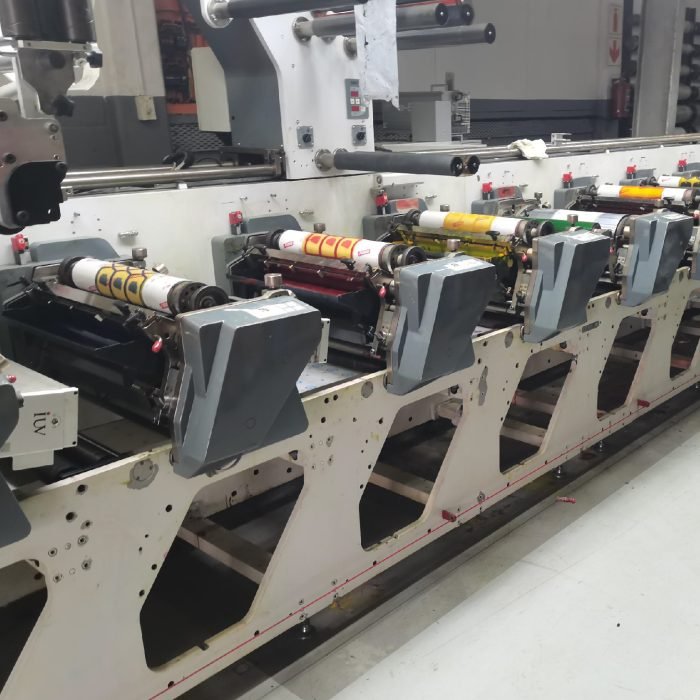
UV curing uses ultraviolet light to instantly polymerize (harden) specially formulated inks, coatings, and adhesives. In flexographic printing, this process typically happens immediately after ink transfer, often between print stations or at the end of the print run. The key is that the UV energy must be sufficient to fully cure the ink layer before the next operation, whether that’s another print station, a finishing process, or rewinding.
The Science Behind UV Curing Speed
Several factors dictate the speed at which UV curing can occur:
- Ink Chemistry: The photoinitiators within the UV-curable ink absorb UV light and initiate the polymerization reaction. Different ink formulations have varying cure speeds and require specific UV wavelengths and intensities.
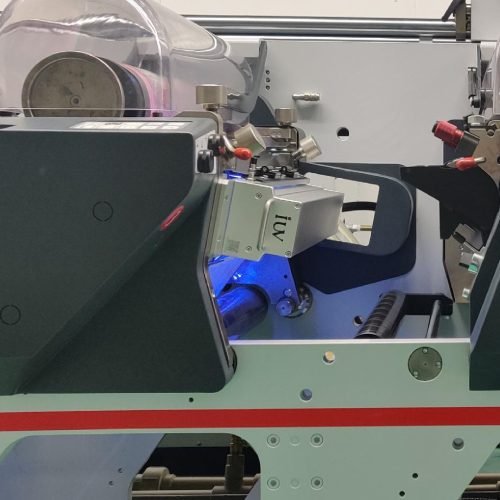
- UV Lamp Technology: The type of UV lamp (mercury arc vs. LED), its spectral output, and its power density (irradiance) are critical. LED curing, in particular, offers concentrated energy in specific wavelengths, allowing for faster and more efficient curing.
- Substrate: The material being printed on (film, paper, foil) affects how light is reflected or absorbed. Some substrates can absorb UV light, reducing the energy reaching the ink.
- Ink Film Thickness: Thicker ink layers require more UV energy and longer exposure times to cure completely.
Common Bottlenecks in High-Speed UV Curing
When presses are pushed to their limits, several issues can arise with UV curing:
- Insufficient UV Energy: The most frequent culprit. The press speed might exceed the UV lamp’s ability to deliver enough energy to cure the ink. This leads to uncured or under-cured ink.
- Poor Lamp Performance: Old lamps, fouled reflectors, or improper lamp positioning can significantly reduce UV output. For LED systems, this could be degraded emitters or issues with cooling.
- Ink Migration Issues: Uncured inks can offset onto subsequent layers or rollers, causing contamination and production halts. This is particularly problematic in multi-layer applications or when printing close to folding lines.
- Adhesion Problems: Incomplete curing often results in poor adhesion of inks and coatings to the substrate, leading to print defects like scuffing or delamination.
- Heat Buildup: While UV curing itself generates heat, older mercury lamps can generate substantial thermal energy, which can degrade sensitive substrates or affect ink viscosity if not managed. LED lamps generate less heat, which is a significant advantage.
- Spectral Mismatch: Using inks optimized for a specific UV spectrum (e.g., broad-spectrum mercury lamps) with a different source (e.g., narrow-spectrum LED) without proper ink reformulation can lead to slow or incomplete curing.
Strategies for Preventing UV Curing Bottlenecks
To maintain high-speed operation and ensure consistent quality, a proactive approach to UV curing is essential.
1. Optimize Ink and Coating Selection
- Fast-Cure Formulations: Work with your ink supplier to select inks and coatings specifically designed for high-speed curing. These formulations contain advanced photoinitiators that react quickly.
- UV LED Compatibility: If you are transitioning to or using UV LED curing, ensure your inks are formulated for the specific wavelengths emitted by your LED systems (commonly 365nm, 385nm, 395nm, or 405nm). Standard UV inks might not cure efficiently with LEDs.
- Lower Viscosity Inks: Inks with lower viscosity can often be applied in thinner, more consistent films, which aids in faster and more thorough curing.
2. Leverage Advanced UV Curing Technology
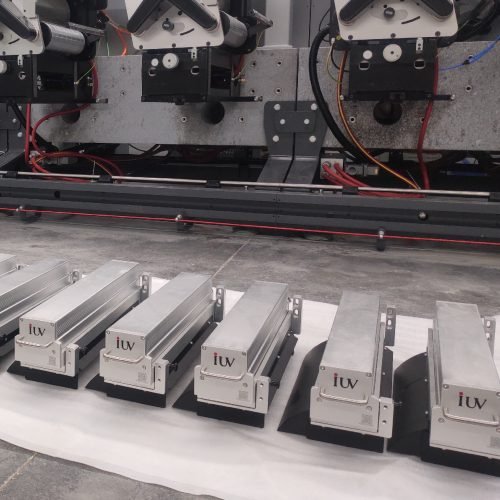
- UV LED Systems: The adoption of UV LED curing technology is a game-changer for high-speed presses. LEDs offer:
- Instant On/Off: No warm-up time, leading to immediate full power.
- High Irradiance: Concentrated UV energy directly focused on the ink.
- Specific Wavelengths: Optimized for ink curing, reducing energy waste.
- Lower Heat Output: Minimizes substrate distortion and enables printing on heat-sensitive materials.
- Longer Lifespan: Consistent performance over extended periods.
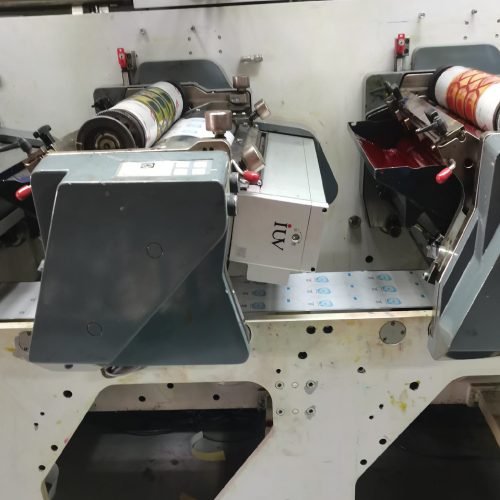
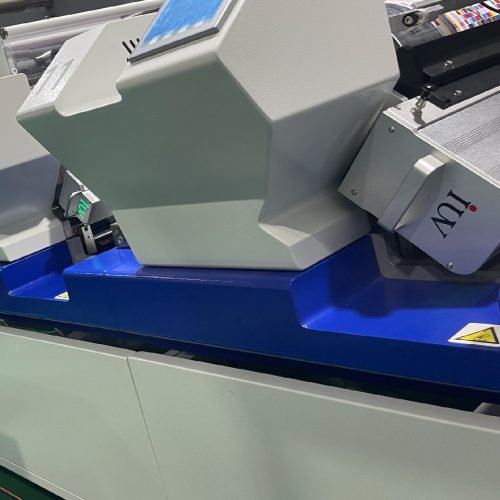
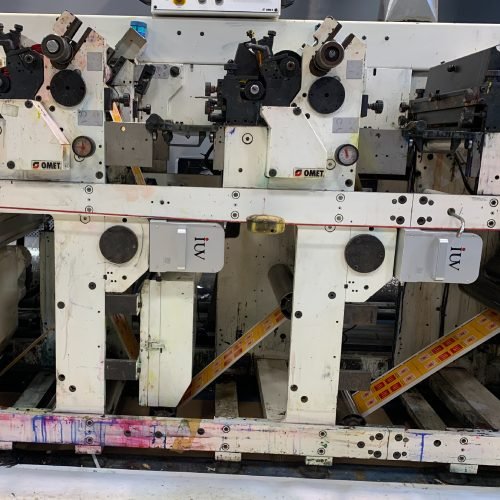
- Optimized Lamp Placement: Ensure UV units are positioned correctly relative to the print stations. For inter-deck curing, placement is critical to prevent ink from skinning over before hitting the next station.
- Advanced Cooling Systems: For both mercury and LED systems, adequate cooling is vital. Efficient cooling prevents overheating of the lamp housing and the substrate, ensuring consistent performance.
3. Fine-Tune Press and Curing Parameters
- Speed vs. Energy Balance: The fundamental equation for UV curing is Energy = Irradiance x Exposure Time. As press speed (which dictates exposure time) increases, you must proportionally increase the UV irradiance (lamp power) to maintain the required energy dosage.
- Power Settings: Don’t operate UV lamps at their absolute maximum continuously unless necessary. Modulating power based on job requirements can extend lamp life and manage energy consumption. However, for high-speed runs, ensuring sufficient power is always prioritized.
- Web Handling: A stable web path is crucial. Any oscillation or sagging of the web can lead to inconsistent distance between the ink and the UV source, impacting cure uniformity. Ensure proper tension control.
4. Implement Rigorous Quality Control and Monitoring
- Ink Film Thickness Measurement: Use precise anilox rolls and doctor blades to ensure consistent ink film thickness. Thicker films require more UV energy.
- Cure Testing: Regularly perform rub tests, adhesion tests, and solvent resistance tests on printed samples. These are the ultimate indicators of successful curing.
- UV Measurement Tools: Utilize radiometers to periodically measure the UV irradiance and spectral output of your lamps. This helps identify lamp degradation or issues before they cause production problems. LED systems often have built-in monitoring.
- Visual Inspection: Train operators to visually inspect for any signs of uncured ink or print defects.
5. Maintain Your UV Curing Equipment
- Regular Lamp Replacement: Mercury lamps have a finite lifespan and their UV output degrades over time. Follow manufacturer recommendations for replacement. LED emitters also degrade but generally have much longer service lives.
- Reflector Cleaning and Inspection: For mercury systems, dust and ink overspray on reflectors reduce UV output. Clean them regularly. Inspect for any damage.
- Cooling System Maintenance: Ensure fans, filters, and water cooling systems (if applicable) are clean and functioning optimally. Clogged filters or failing fans can lead to overheating and reduced lamp performance.
- Wiring and Connections: Periodically check electrical connections to lamps and power supplies to prevent power loss or potential hazards.
The Future: Integrated Systems and Smart Curing
The trend in narrow-web printing is towards greater integration of printing and curing technologies. Presses are being designed with optimized UV curing stations that are integral to the press’s operation, not just an add-on. Furthermore, advancements in sensor technology and automation allow for real-time monitoring and adjustment of UV curing parameters based on press speed and other process variables, creating “smart curing” systems that automatically compensate for changes.
By understanding the fundamentals of UV curing, identifying potential bottlenecks, and implementing the strategies outlined above, flexographic printers can ensure their high-speed presses operate at peak efficiency, delivering high-quality labels and packaging without the frustration of curing-related slowdowns. Investing in the right technology and maintaining a vigilant approach to quality control are key to achieving true high-speed success.