Label printing is a dynamic field, constantly evolving to meet the demands of diverse applications. Within this landscape, UV curing technology stands out as a game-changer. It’s a sophisticated process where ultraviolet (UV) light triggers a rapid chemical reaction, transforming liquid ink into a durable, solid film. But this isn’t a simple on-off switch. The true magic lies in the intricate interplay between three key components: UV lamps, inks, and the substrate itself. Understanding this interaction is paramount for achieving high-quality, efficient, and consistent label production, especially in narrow web, flexographic, and offset printing environments.
The Radiant Force: UV Lamps in Label Printing
UV lamps are the powerhouses of the curing process. They emit UV radiation at specific wavelengths, which is the catalyst for ink polymerization. For a long time, mercury vapor lamps were the industry standard. These lamps are robust and provide a broad spectrum of UV light. However, they generate significant heat, consume more energy, and have a finite lifespan requiring periodic replacement.
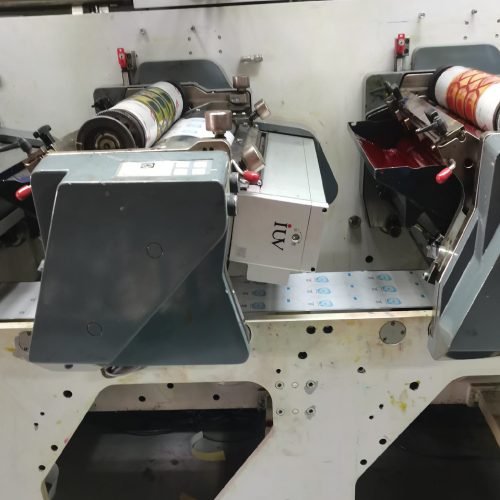
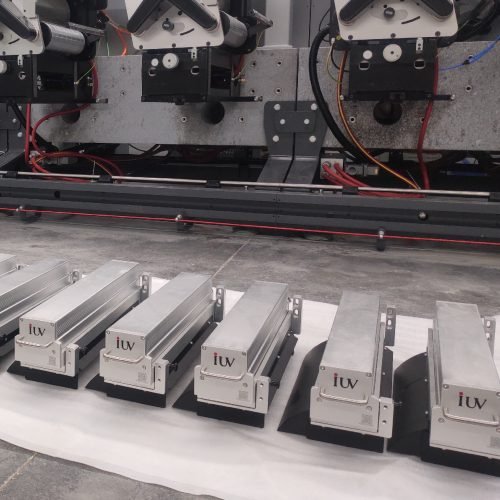
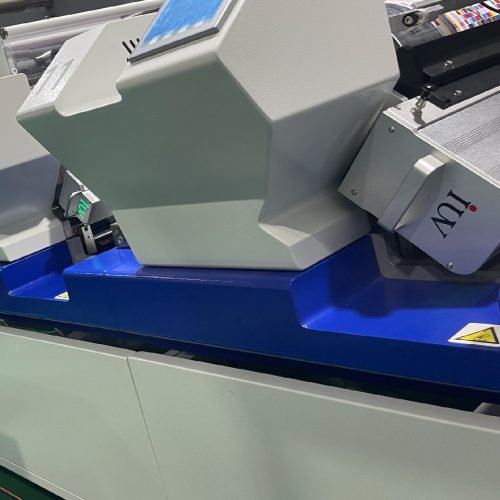
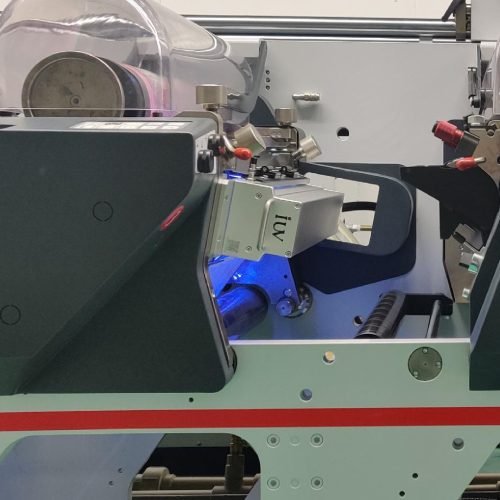
The advent of UV LED (Light Emitting Diode) technology has revolutionized UV curing. UV LEDs offer a more focused and efficient light source. They emit light at very precise wavelengths, which can be perfectly matched to the photoinitiators within the UV inks. This wavelength specificity is a major advantage. LEDs are also incredibly energy-efficient, produce minimal heat, and boast an exceptionally long operational life, often exceeding 20,000 hours. For narrow web label printers, the reduced heat output from LEDs is particularly beneficial, as it minimizes the risk of substrate distortion or damage, especially with heat-sensitive materials.
The intensity of the UV light, measured in millijoules per square centimeter (mJ/cm²), is another critical factor. Insufficient intensity will lead to incomplete curing, resulting in sticky surfaces, poor adhesion, and potential rub-offs. Conversely, excessive intensity, while ensuring thorough curing, can sometimes lead to premature drying of the ink before it can properly adhere to the substrate or can even degrade certain substrates. The distance between the UV lamp and the ink surface also plays a role, as light intensity decreases with distance.
The Versatile Medium: UV Inks in Label Printing
UV inks are specially formulated to react to UV light. They contain monomers, oligomers, photoinitiators, pigments, and additives. When exposed to UV radiation of the correct wavelength and intensity, the photoinitiators absorb the UV energy and generate free radicals. These radicals then initiate a chain reaction, linking the monomers and oligomers together to form a solid polymer network. This process is incredibly fast, often occurring in a fraction of a second.
The formulation of UV inks is tailored to the specific printing process and desired outcome. For flexographic printing, which is common in narrow web label production, UV inks are formulated for good transfer and flow. In offset lithography, used for higher-volume label runs, UV inks are designed to withstand the ink transfer dynamics and produce sharp, vibrant images.
Different types of UV inks exist, including conventional UV, dual-cure (UV and thermal cure), and low-migration UV inks. Low-migration inks are essential for food packaging labels, ensuring that no harmful substances leach into the product. The color of the ink also influences the curing process. Darker or highly pigmented inks can absorb more UV light, potentially hindering the light’s penetration to the photoinitiators deeper within the ink layer. This necessitates careful consideration of lamp output and ink thickness.
The Foundation: Substrates in Label Printing
The substrate is the material onto which the ink is printed – be it paper, film, or foil. Its properties significantly impact how well UV inks cure and adhere. Porosity is a key characteristic. Porous substrates, like some uncoated papers, can absorb some of the ink’s liquid components before curing, which can affect ink laydown and adhesion. Non-porous substrates, such as plastic films (polypropylene, polyethylene, PET), are more common in label printing. These require inks that can adhere to the surface without absorption.
Surface energy is another crucial factor for non-porous substrates. A substrate with low surface energy might not readily accept the ink, leading to poor adhesion. Surface treatments, such as corona or plasma treatment, are often applied to increase the surface energy of films, promoting better ink wettability and adhesion.
The color and opacity of the substrate can also influence curing. White or light-colored substrates reflect less UV light than dark or transparent ones. This means that darker substrates might require higher UV intensity or longer exposure times to ensure complete curing of the ink. For transparent films, ensuring that the UV light can reach the ink layer effectively is vital.
The thermal properties of the substrate are also important, especially when considering the heat generated by traditional mercury vapor lamps. Heat-sensitive materials can warp, shrink, or become discolored if exposed to excessive heat, making UV LED curing, with its minimal heat output, a highly advantageous choice.
The Synergy: Optimizing the UV Curing Process
Achieving optimal UV curing in label printing is about orchestrating the interaction between these three elements. It’s a delicate balance that requires careful attention to detail.
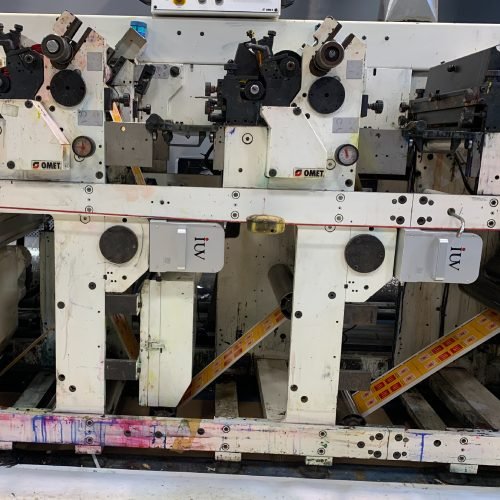
For Narrow Web and Flexographic Printing: This sector often deals with a wide variety of substrates, from premium papers to various plastic films. The speed of flexographic presses is high, demanding rapid and efficient curing. UV LED curing is particularly well-suited here due to its speed, low heat, and precise wavelength control, allowing printers to run faster without compromising quality, even on heat-sensitive films. Matching the LED’s wavelength to the ink’s photoinitiator package is key.
For Offset Printing: While offset printing can handle larger runs, the ink transfer process can be more complex. UV inks for offset need to be formulated for this specific ink train. The substrate choice is equally important, with paper and some synthetic stocks being common. Ensuring sufficient UV energy reaches the ink is critical, especially for opaque inks.
Key Optimization Strategies:
- Ink-Substrate Compatibility Testing: Always test new ink-substrate combinations to ensure proper adhesion and curing. Look for signs of delamination, poor scratch resistance, or incomplete cure.
- Lamp Wavelength Matching: For UV LED, ensure the lamp’s emitted wavelengths align with the photoinitiators in your chosen ink. This maximizes curing efficiency and minimizes wasted energy.
- UV Intensity Calibration: Regularly check and calibrate your UV lamp intensity. The required intensity will vary based on ink type, ink film thickness, substrate, and press speed.
- Ink Film Thickness Control: Precise control over ink film thickness is crucial. Thicker ink layers require more UV energy to cure effectively.
- Substrate Surface Preparation: For challenging substrates, consider surface treatments to enhance ink adhesion.
- Press Speed Adjustment: Work with your press and ink suppliers to determine the optimal press speed for a given UV curing setup.
The Future is Bright: Continued Advancements
The relationship between UV lamps, inks, and substrates in label printing is a continuously evolving narrative. As UV LED technology becomes more advanced and cost-effective, its adoption will likely grow. Innovations in ink formulations, including those for enhanced durability, special effects, and even more stringent food safety standards, will continue to push the boundaries of what’s possible. By understanding and mastering the intricate synergy between these components, label printers can unlock new levels of efficiency, quality, and innovation, ensuring their products stand out in a competitive marketplace.