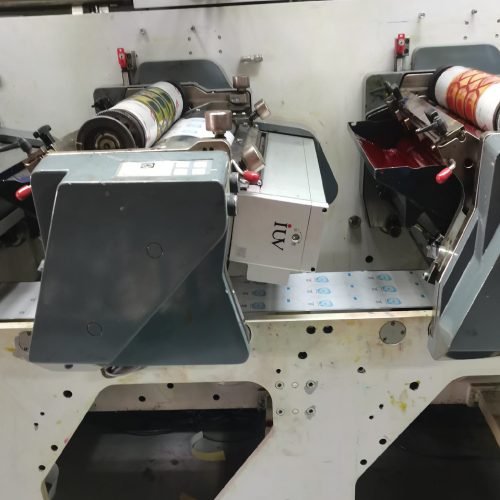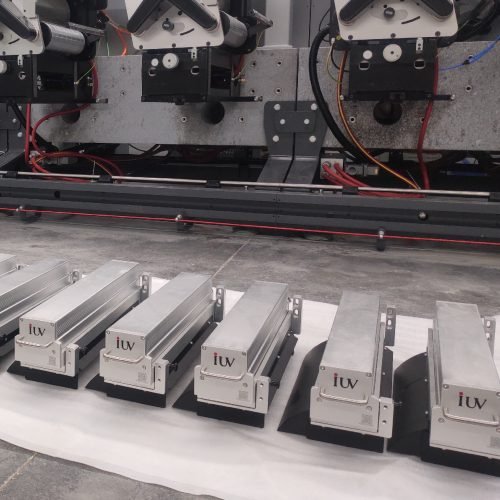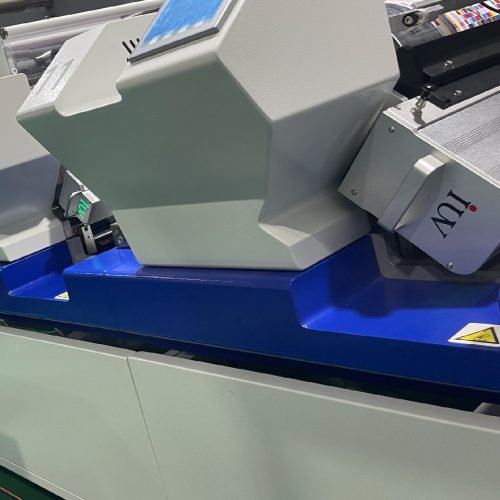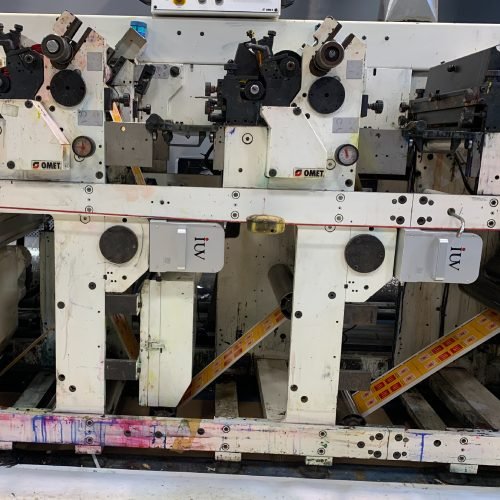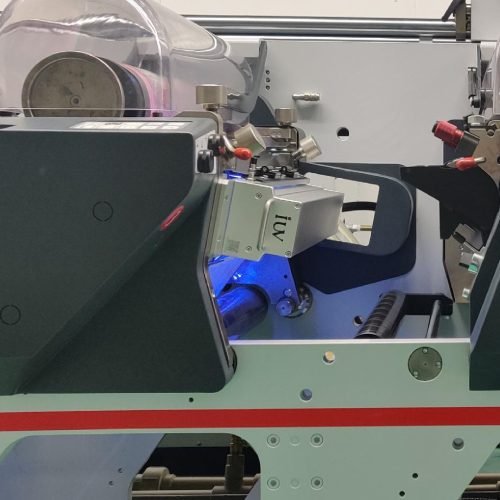
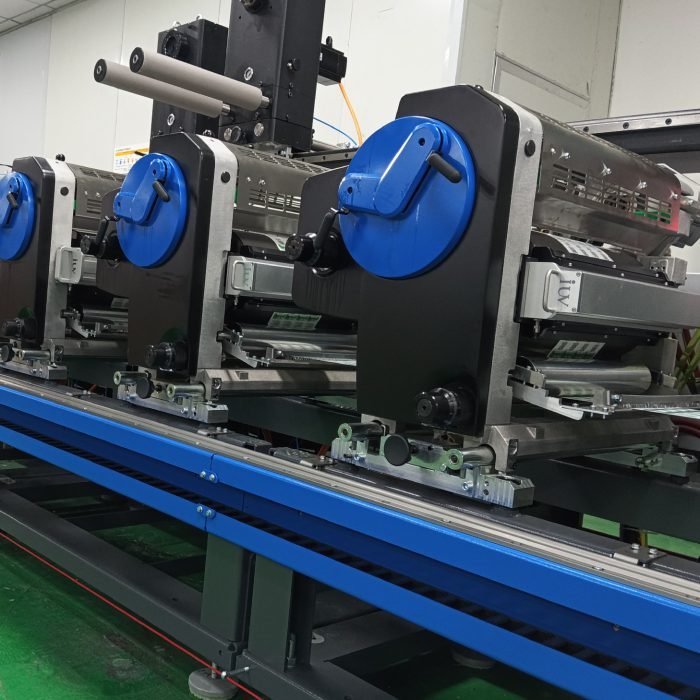
High-speed flexographic printing places unique demands on curing systems, especially in modern label and narrow web production. As press acceleration increases, curing conditions change dynamically within seconds. LED UV technology offers precise control and instant response, but only when lamp power is correctly calibrated to match press behavior. Without proper calibration, even advanced LED UV systems can struggle to maintain consistent cure quality during ramp-up, speed changes, and long production runs.
In label printing environments where uptime, consistency, and waste reduction matter, aligning LED UV lamp power with press acceleration is a practical requirement rather than an optional optimization. This tutorial explains how to calibrate LED UV lamp power step by step, focusing on real flexo press conditions and production constraints.
Why Press Acceleration Changes Curing Conditions
During acceleration, a flexo press transitions from low speed to target production speed over a short distance. Ink exposure time under the curing lamp changes continuously during this phase. At lower speeds, ink receives higher UV dose per unit length. As speed increases, exposure time decreases sharply.
Traditional curing systems often struggle with this transition because they rely on thermal stabilization and slow power adjustment. LED UV systems respond instantly, but only if power settings are configured to account for acceleration profiles.
If lamp power remains static during acceleration, inks may overcure at low speed and undercure as the press reaches full speed. This imbalance can lead to adhesion variation, color inconsistency, and waste at startup.
Understanding LED UV Lamp Power in Flexo Applications
LED UV lamp power is typically defined by output intensity rather than wattage alone. Most systems allow power adjustment in percentage increments, controlling irradiance delivered to the substrate.
Unlike mercury lamps, LED UV systems maintain spectral stability regardless of power level. This allows printers to adjust curing energy without shifting wavelength response, which is critical for LED-compatible inks.
In high-speed flexo printing, lamp power must be calibrated to deliver sufficient energy at maximum press speed while avoiding excessive exposure during acceleration and deceleration.
Preparing the Press for Calibration
Calibration should always begin with a stable mechanical and printing setup. The press should be properly tensioned, with consistent web tracking and register control. Anilox rolls, plates, and inks must be production-ready, not test substitutes.
Ink formulation must be confirmed as LED UV compatible and matched to the lamp wavelength in use. Substrate type should reflect real production conditions, as paper, film, and coated materials respond differently to UV energy.
Press acceleration profiles should be reviewed in the press control system. Many modern narrow web presses allow operators to define acceleration curves. Understanding these settings is essential before adjusting curing parameters.
Establishing a Reference Power Level at Target Speed
The first calibration step is to determine the minimum lamp power required to achieve full cure at target production speed. The press should be brought up to steady-state speed without acceleration testing at this stage.
Lamp power is gradually reduced until curing defects appear, such as poor rub resistance or adhesion failure. Power is then increased slightly to restore full cure. This level becomes the reference power for maximum speed operation.
This reference ensures that curing performance is sufficient under the most demanding exposure conditions. All subsequent adjustments are made relative to this baseline.
Evaluating Curing Behavior During Acceleration
Once the reference power is established, attention shifts to press acceleration. The press is started from low speed and allowed to accelerate normally while monitoring print quality.
During this phase, inks often receive excessive UV dose at low speed, leading to brittle ink films or excessive surface cure. These effects may not be visible immediately but can cause cracking during die-cutting or finishing.
If such issues appear, it indicates that lamp power is too high during acceleration and should be dynamically adjusted or offset.
Adjusting Lamp Power to Match Acceleration Profiles
Many LED UV systems allow power ramping or multi-level power settings linked to press speed. If available, this feature should be used to reduce lamp power during low-speed operation and increase it progressively as speed rises.
If dynamic control is not available, manual calibration can still be effective. Lamp power can be set slightly lower than the reference level, combined with a reduced acceleration distance to minimize overexposure at startup.
The goal is to balance curing energy across the entire acceleration range so that ink receives a consistent dose regardless of speed.
Verifying Cure Quality Across Speed Changes
After power adjustments are made, cure quality must be evaluated across multiple speed transitions. This includes startup, speed increases, speed reductions, and emergency stops.
Print samples should be collected at different press speeds and tested for adhesion, scratch resistance, and odor. Consistency across these samples indicates successful calibration.
Special attention should be paid to dense solids, fine text, and reverse printing areas, as these are most sensitive to curing variations during speed changes.
Managing Multi-Station LED UV Systems
On multi-color flexo presses, lamp power calibration should be coordinated across all curing stations. Different inks and coatings may require different energy levels, but acceleration behavior affects all stations simultaneously.
Primary colors may tolerate broader curing ranges, while whites, metallics, and coatings often require tighter control. Lamp power should be calibrated based on the most demanding ink in the job sequence.
Inconsistent power settings between stations can amplify curing variation during acceleration, especially on long-run label jobs.
Maintaining Calibration Over Long Production Runs
Once lamp power is calibrated, maintaining stability is essential. LED UV systems are inherently stable, but mechanical factors such as lamp height drift or substrate variation can affect results over time.
Operators should periodically verify curing performance during long runs, especially after press stops or material changes. Any adjustment should be documented to maintain repeatability for future jobs.
Consistent calibration reduces startup waste, shortens setup time, and improves confidence in high-speed flexo production.
Energy Efficiency and System Longevity Considerations
Proper lamp power calibration improves energy efficiency by avoiding unnecessary overexposure. Running lamps at excessive power during low-speed operation increases energy consumption without improving cure quality.
Balanced power settings reduce thermal stress on substrates and extend the service life of LED UV modules. Over time, these benefits contribute to lower operating costs and more predictable system performance.
In high-volume label printing, even small efficiency gains accumulate into meaningful savings.
Integrating Calibration into Standard Operating Procedures
To ensure consistent results, lamp power calibration should be included in standard press setup procedures. Reference power levels, acceleration settings, and ink-specific adjustments should be recorded and shared across shifts.
Training operators to understand the relationship between press speed and curing energy helps prevent reactive adjustments that compromise consistency.
A structured calibration approach transforms LED UV curing from a fixed setting into a controlled production variable.
Conclusion
Calibrating LED UV lamp power to match high-speed flexo press acceleration is essential for achieving consistent curing performance in modern label printing. As press speeds increase and production windows tighten, curing systems must respond dynamically to changing conditions.
By establishing a solid reference power level, evaluating curing behavior during acceleration, and adjusting lamp output accordingly, printers can maintain stable cure quality across all operating speeds. This approach reduces waste, improves print reliability, and allows LED UV technology to deliver its full advantages in narrow web flexographic production.