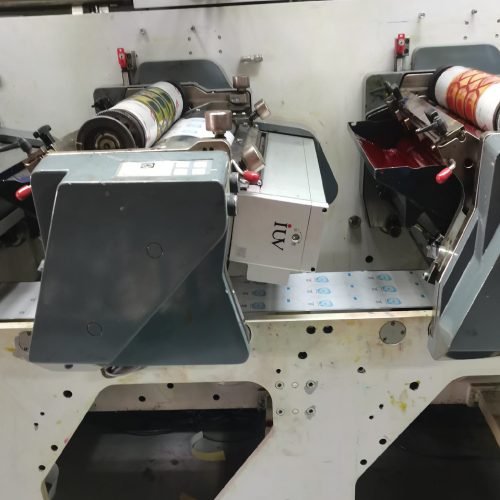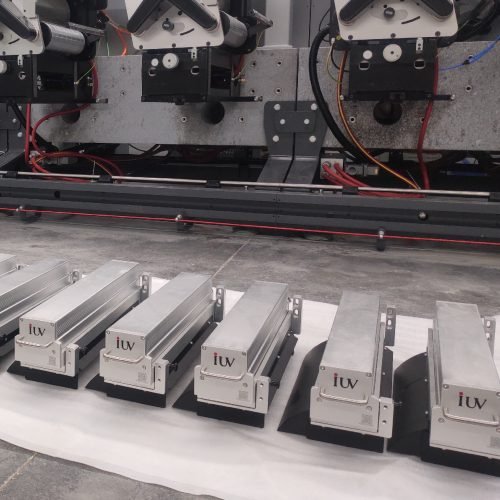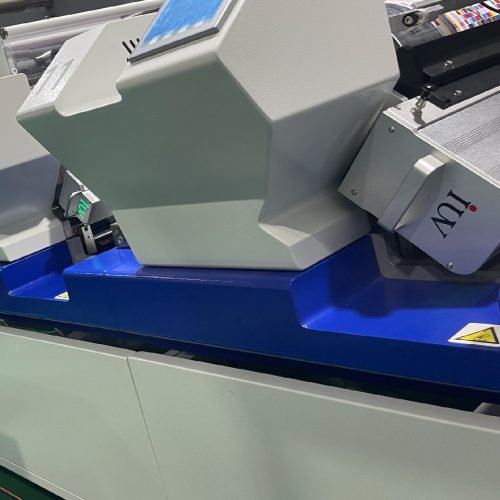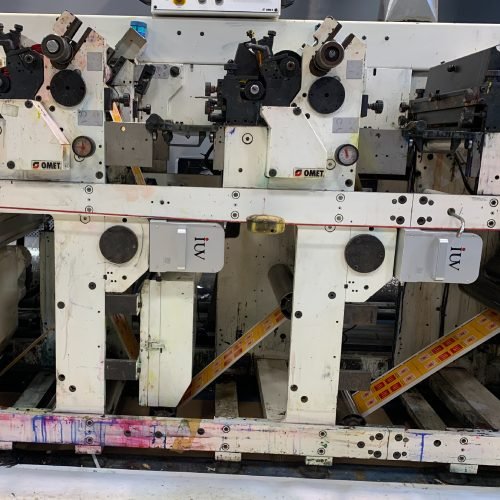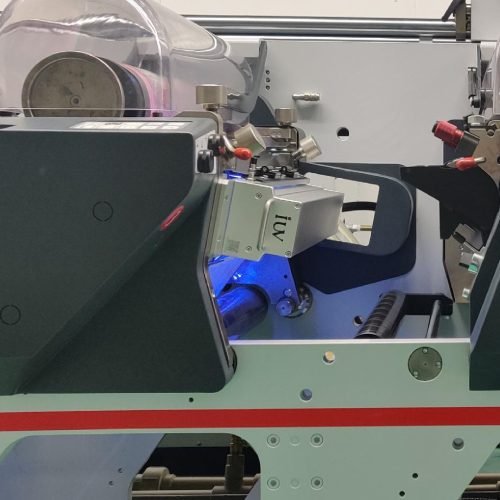
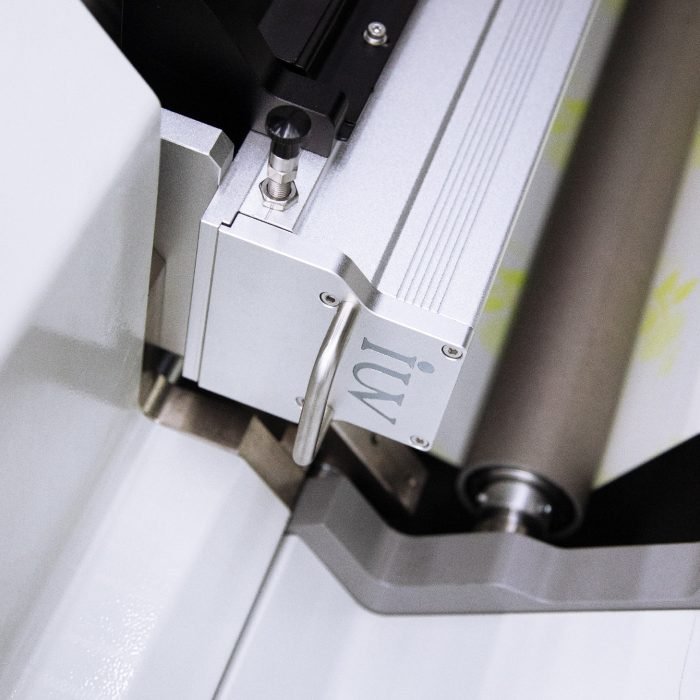
In narrow web label printing, precise control of ink wetting and flow is essential for achieving consistent color, edge definition, and print quality across various substrates. LED UV curing technology has revolutionized this process by enabling instant energy delivery, precise intensity control, and consistent output over long production runs. However, the position of the LED UV lamp relative to the ink film and substrate can significantly influence the behavior of the ink before and during polymerization. Understanding the impact of lamp positioning is therefore critical for narrow web flexographic, gravure, and hybrid label presses.
The interaction between LED UV energy and wet ink is complex. Lamp height, angle, and distance from the substrate determine the distribution of irradiance across the printed film. If the lamp is positioned too close, excessive energy density can cause the surface layer to polymerize too rapidly, forming a skin that restricts flow and reduces wetting uniformity. Conversely, if the lamp is too far from the substrate, irradiance decreases, potentially leading to incomplete curing, poor ink transfer, and uneven adhesion. Balancing these factors is particularly important when printing on non-porous films, coated papers, and metallized substrates, where ink behavior differs significantly from traditional porous media.
Ink wetting is influenced by the initial contact angle and surface tension of the substrate. High-intensity LED UV exposure in close proximity can alter the fluid dynamics of the ink by accelerating surface polymerization before the ink fully spreads. This can create micro-voids, pinholes, or uneven density in solid areas, compromising visual quality and print durability. By adjusting lamp height and lateral positioning, operators can allow sufficient ink flow to achieve full coverage and maintain smooth edge definition, while still delivering enough energy to initiate rapid polymerization once the ink has settled.
Flow behavior is also affected by the uniformity of the UV energy profile. Narrow web presses often operate at high speeds, requiring consistent exposure across the web width. LED UV lamps equipped with advanced optics provide a controlled beam profile that minimizes hotspots and ensures even curing. Proper alignment of the lamp relative to the nip point between anilox, plate, and substrate allows the ink to flow naturally and self-level before curing, improving both color density and surface smoothness. Any deviation in lamp positioning can lead to visible banding, streaks, or inconsistent dot gain, which are particularly noticeable in large solid areas or fine text.
In addition to height and distance, lateral positioning across the web width is critical. LED UV systems often feature multiple modules arranged in series or staggered patterns. Overlapping irradiation zones must be carefully calibrated to prevent overcure at overlap points, which can disrupt flow, or undercure in gaps, which can affect adhesion and gloss. Operators should verify lamp alignment during press setup and periodically during production to account for mechanical drift, thermal expansion, or vibration, which can subtly affect the effective irradiance profile.
The choice of substrate further amplifies the importance of lamp positioning. Films with low surface energy, such as PET, BOPP, or metallized laminates, require controlled wetting before polymerization. LED UV energy applied too aggressively can inhibit spreading and lead to adhesion problems. On coated papers, the ink may absorb partially, but rapid surface cure can still trap solvent or unreacted monomer, creating internal stress and reduced durability. Adjusting lamp distance and energy allows the printer to fine-tune the balance between flow, wetting, and cure depth to match the characteristics of each substrate.
Lamp positioning also interacts with ink formulation. High-viscosity or heavily pigmented inks respond differently to UV exposure compared to low-viscosity formulations. Dense white or metallic inks are particularly sensitive, as pigments scatter UV energy, reducing penetration depth. By optimizing the lamp angle and height, operators can increase energy delivery to the lower ink layers without compromising surface wetting or causing excessive surface skinning. Multiple exposure passes or intermediate curing stations can be used strategically to further enhance flow and adhesion for these challenging formulations.
Consistent monitoring and calibration are essential for maintaining performance. Radiometers, optical sensors, and test prints provide feedback on irradiance distribution and exposure uniformity. Real-time adjustments in lamp height or angle can compensate for variations in press speed, ambient temperature, or substrate reflectivity. Standardizing lamp positioning procedures and documenting optimal settings for each job ensures repeatable results, reduces waste, and minimizes downtime caused by misalignment or inconsistent curing.
In practice, operators should adopt a systematic approach to lamp positioning. Initial trials involve printing test patterns at varying lamp heights and distances to observe wetting, flow, and cure behavior. Adjustments are made based on visual inspection, adhesion tests, and rub resistance. Once optimal positioning is established, the configuration should be locked in, and regular maintenance schedules should include verification of lamp alignment, module spacing, and cooling system performance to prevent drift.
Understanding the effect of LED UV lamp positioning extends beyond initial setup. During production, any change in substrate, ink batch, or press speed may require minor adjustments to maintain consistent flow and curing. Integrating position data with automated controls allows real-time modulation of irradiance, improving overall process stability. This approach is particularly beneficial for high-speed, narrow web label operations where even minor deviations can affect product quality and throughput.
In conclusion, the positioning of LED UV lamps is a fundamental factor in controlling ink wetting and flow in narrow web label printing. Proper height, angle, and lateral alignment ensure that inks can spread adequately before polymerization while achieving sufficient cure depth and adhesion. Careful calibration, ongoing monitoring, and job-specific adjustments allow label printers to maintain high-quality output across diverse substrates, inks, and press speeds. Optimizing lamp positioning not only improves visual appearance and durability but also enhances overall production efficiency, making LED UV systems an indispensable tool for modern narrow web flexo and hybrid label presses.