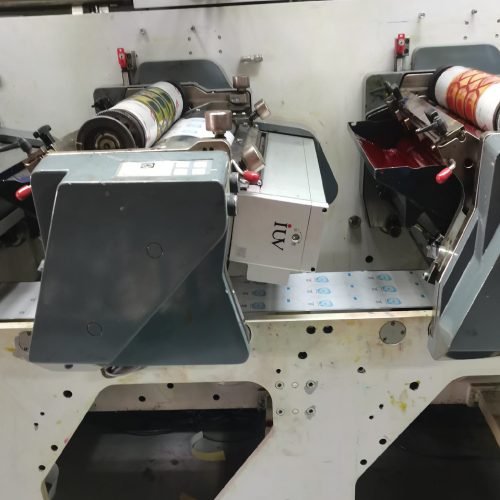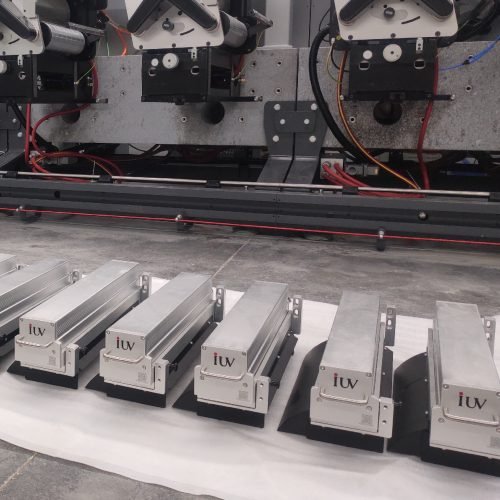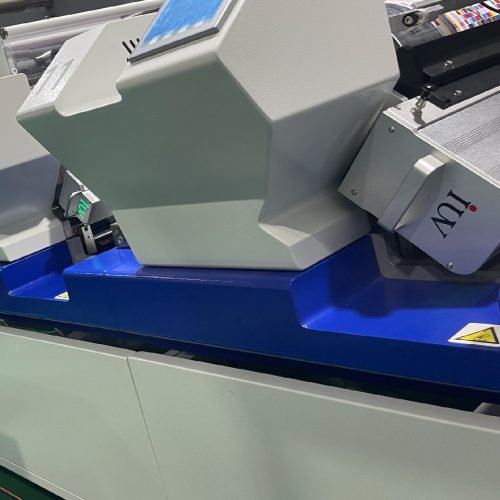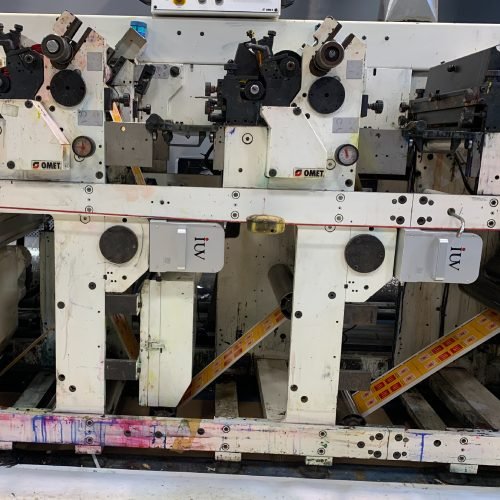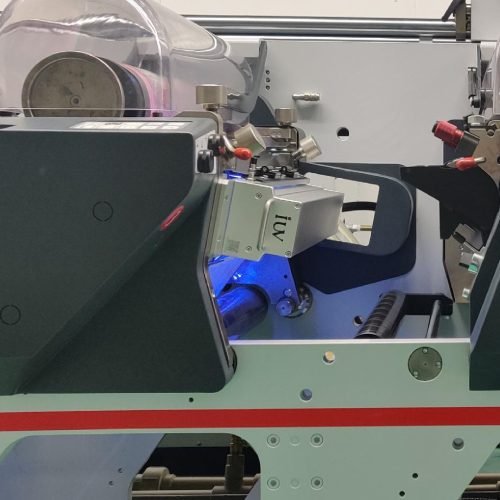
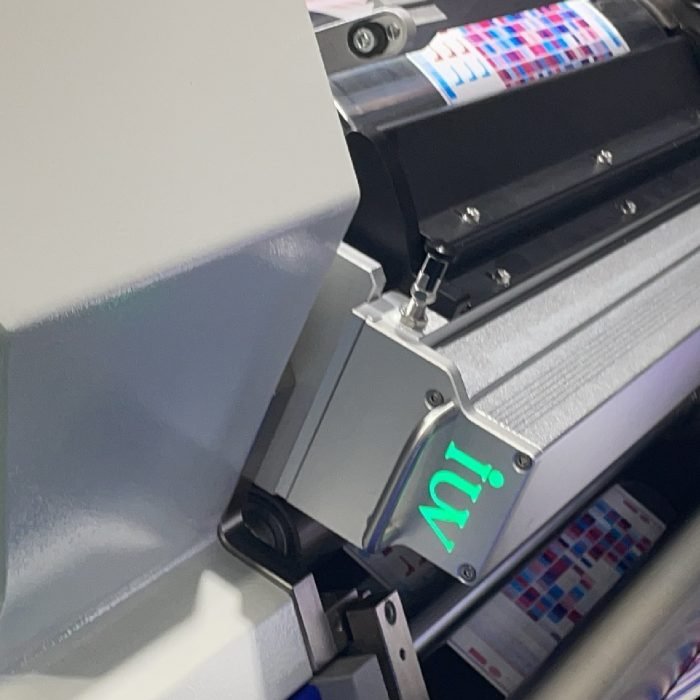
Energy efficiency has become a decisive factor in label and flexible packaging production. Narrow web flexographic and offset presses operate at high speeds with multiple curing stations. The curing system often represents the largest single energy consumer on the press. As sustainability targets tighten, converters must evaluate the energy profile and carbon footprint of their UV curing configuration.
Hybrid UV systems combine conventional mercury lamps with LED modules. Full LED UV arrays rely exclusively on narrowband semiconductor technology. Both configurations deliver reliable curing, yet their energy consumption patterns and environmental impact differ significantly. A clear technical comparison supports informed investment decisions in label, flexographic, offset, and narrow web printing environments.
Power Consumption Characteristics of Mercury and LED Technologies
Mercury UV lamps operate with high electrical input and broad spectral emission. They require warm-up cycles and typically run at constant power during production. Even during press stops, standby modes consume substantial energy to maintain arc stability. The result is a continuous power draw throughout the shift.
LED UV arrays function differently. They provide instant on-off capability and stable output without warm-up time. Energy is consumed only when the press is running and curing is required. Intensity can be modulated according to press speed and coating demand. This dynamic control reduces unnecessary power usage.
In hybrid systems, total consumption depends on how often mercury lamps are engaged. When both mercury and LED modules operate simultaneously, energy demand rises. However, selective operation allows converters to use mercury lamps only for thick ink films or specialty coatings, while LED modules handle standard process work.
Electrical efficiency must be analyzed in relation to actual production patterns rather than theoretical peak load.
Thermal Output and Indirect Energy Impact
Mercury UV lamps generate significant infrared radiation. This heat transfers to the substrate and surrounding press components. To manage thermal buildup, additional cooling systems are required. Exhaust fans and air conditioning units increase indirect energy consumption.
LED UV arrays produce minimal infrared emission. Heat remains concentrated at the diode junction and is removed through water or air cooling systems. Reduced substrate heating lowers the load on chill rollers and environmental climate control.
In narrow web label printing, especially with thin films or shrink sleeves, lower heat exposure stabilizes web tension and reduces distortion. Less thermal stress translates to lower scrap rates and fewer reprints. Indirect energy savings from reduced waste contribute to a smaller carbon footprint.
Hybrid systems fall between these two extremes. If mercury lamps are frequently used, indirect cooling demand remains high. If LED modules handle most curing tasks, total heat load decreases significantly.
Carbon Footprint and Operational Emissions
Carbon footprint evaluation must include direct electricity consumption and indirect emissions linked to energy generation. Mercury lamps generally consume more kilowatt-hours per curing station. Over extended operating hours, this increases greenhouse gas emissions, depending on the regional power mix.
Full LED UV arrays typically reduce total electrical consumption per job. Instant start capability eliminates idle warm-up energy. Dynamic intensity control aligns power usage with actual production speed.
Hybrid systems offer transitional benefits. They reduce overall emissions compared to fully mercury-based lines, but their carbon performance depends on usage balance. Facilities that gradually shift more jobs to LED-compatible inks can progressively reduce reliance on mercury lamps.
Additionally, mercury lamps contain hazardous materials and require controlled disposal. LED modules avoid mercury handling and reduce environmental risk at end of life. Long diode lifespan also lowers replacement frequency and associated material waste.
Ink Compatibility and Energy Demand
Energy efficiency cannot be separated from ink and coating formulation. Conventional UV inks formulated for mercury lamps may require higher total energy input. LED-optimized inks polymerize efficiently under narrowband radiation and often cure at lower energy density.
In label and flexible packaging production, high-opacity whites and heavy varnishes increase curing demand. Mercury lamps provide strong penetration, which can reduce the number of curing passes required. LED arrays may require careful intensity management for thick films, though modern high-power modules have improved depth cure performance.
Hybrid systems allow converters to match energy source to formulation. This flexibility can prevent excessive energy use when handling diverse job requirements.
Process optimization plays a major role. Anilox selection, ink film thickness, and press speed influence total energy per square meter. Efficient film control reduces curing demand regardless of lamp type.
Production Efficiency and Waste Reduction
Energy performance must consider production efficiency. LED UV arrays provide immediate full output, reducing startup waste. Mercury systems require stabilization time, which increases substrate waste during job changeovers.
Reduced waste lowers material consumption and associated carbon emissions. In high-volume narrow web lines, small efficiency gains translate into significant environmental benefits over time.
Hybrid systems improve efficiency when LED modules handle frequent short runs, while mercury lamps remain available for specialized applications. This balanced approach supports flexible scheduling without excessive energy use.
Consistent curing also prevents post-press defects such as blocking or adhesion failure. Avoiding rework conserves both energy and material resources.
Maintenance, Lifespan, and Lifecycle Impact
Mercury UV bulbs require periodic replacement due to arc degradation. Reflectors must be cleaned to maintain efficiency. Downtime and replacement materials add indirect environmental impact.
LED modules offer longer operational lifespan and stable output over time. Although initial investment may be higher, reduced maintenance lowers lifecycle emissions and operational interruption.
Hybrid systems maintain some maintenance requirements associated with mercury components. Over time, facilities that increase LED usage may decrease maintenance frequency for mercury lamps, reducing overall resource consumption.
Lifecycle analysis should include equipment manufacturing, replacement parts, and disposal considerations. LED systems generally demonstrate lower cumulative environmental impact over extended service periods.
Economic Considerations Linked to Sustainability
Energy efficiency directly influences operating cost. Electricity savings from LED arrays can offset initial capital investment. Lower cooling demand further reduces facility expenses.
Hybrid configurations require more complex integration and may involve higher upfront cost. However, they allow gradual transition without abandoning existing mercury-based production capacity.
For converters serving both conventional and low-migration packaging markets, hybrid systems provide operational continuity. Over time, increased LED adoption can improve carbon metrics and align with sustainability commitments.
Economic sustainability and environmental performance are closely linked in modern UV printing operations.
Strategic Decision Factors for Converters
Choosing between hybrid and full LED UV arrays depends on job mix, substrate range, and long-term sustainability goals. Facilities heavily invested in legacy mercury formulations may benefit from hybrid integration. Plants focused on standardized LED-compatible ink systems may achieve greater efficiency with full LED arrays.
In narrow web flexographic and offset label printing, production flexibility often outweighs single-technology optimization. A careful review of curing demand, energy consumption patterns, and carbon reduction targets supports informed decisions.
Accurate measurement of kilowatt-hour usage per production shift provides objective comparison. Coupled with emission factor calculations, converters can quantify carbon footprint per square meter of printed material.
Advancing Sustainable UV Curing in Label and Flexible Packaging
Both hybrid UV systems and full LED UV arrays play important roles in the transition toward sustainable narrow web printing. LED arrays offer superior electrical efficiency, lower heat output, and reduced environmental risk. Hybrid systems provide operational versatility while gradually reducing reliance on high-energy mercury lamps.
Optimized ink formulation, controlled film thickness, precise intensity management, and disciplined maintenance further enhance energy performance. Through strategic planning and process optimization, converters can reduce carbon emissions without compromising curing reliability or print quality.
Energy efficiency in UV curing is no longer only a technical parameter. It has become a central factor in sustainable label, flexographic, and flexible packaging production.