Reliable adhesion of UV LED cured inks across a range of packaging substrates is a critical requirement in modern label and narrow web production. The diversity of materials used in packaging, including coated and uncoated papers, films, foils, and laminates, introduces a spectrum of surface energy and thermal characteristics that directly affect ink wetting, curing, and long-term adhesion performance. Understanding the interplay between ink chemistry, substrate properties, and LED UV curing parameters is essential for production engineers and press operators seeking consistent quality and regulatory compliance.
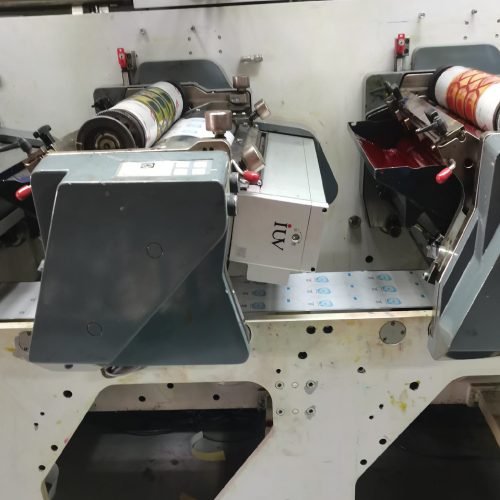
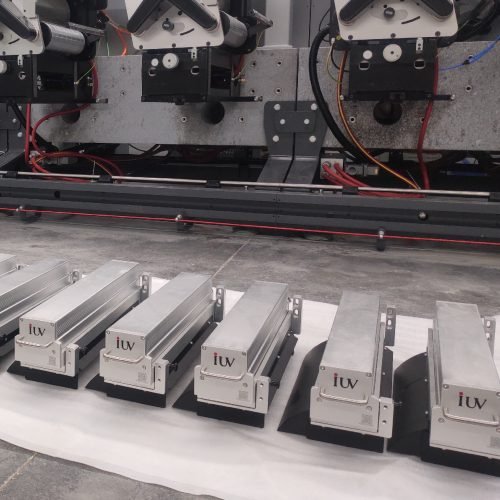
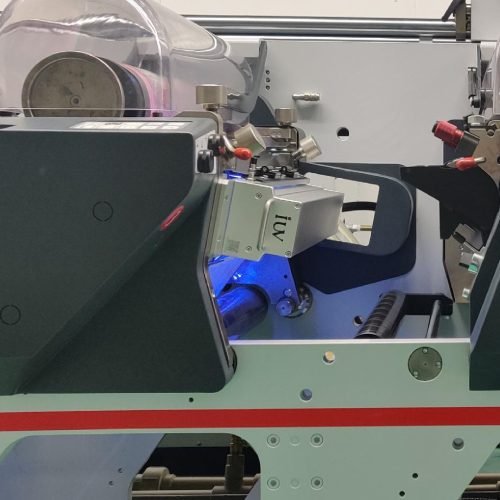
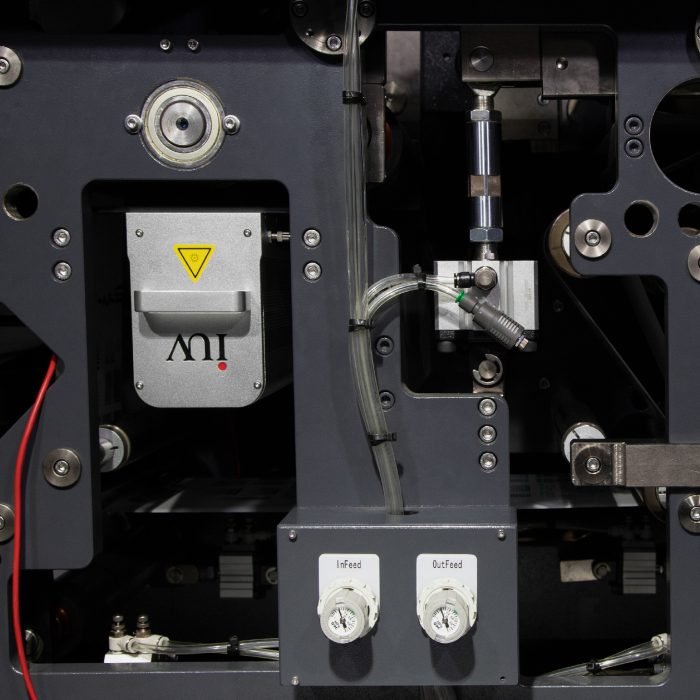
Adhesion reliability is heavily influenced by curing stability and energy distribution across the ink film. Uneven irradiance or insufficient photoinitiator activation can result in incomplete polymerization, leading to delamination or poor abrasion resistance. Multi-station LED configurations, common in narrow web and hybrid presses, require precise alignment, uniform energy output, and coordinated lamp sequencing to avoid localized under-curing that would compromise adhesion. Engineers must routinely verify that lamp modules are properly positioned, lenses are clean, and reflectors are intact, as small mechanical or optical deviations can propagate defects across the web.
Substrate compatibility is a central concern in adhesion assessment. Coated papers may facilitate wetting but can introduce barriers to full ink penetration, while non-porous films and foils require high surface energy and proper ink formulation to achieve strong bonding. Pre-treatment techniques, such as corona or plasma treatment, are often necessary to modify surface energy and enhance ink anchorage. Evaluating substrate behavior under press conditions, including heat and tension effects, helps to identify potential weak points before full-scale production.
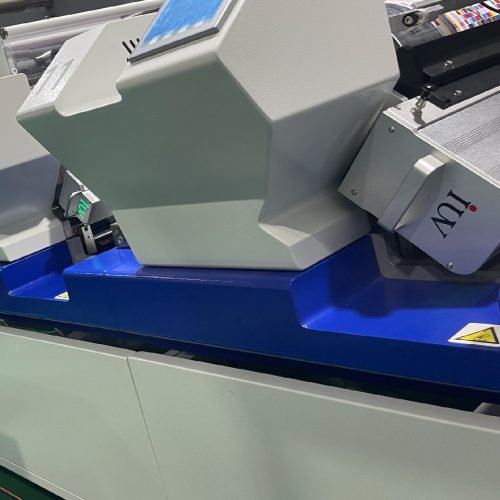
Thermal management during curing is another critical factor affecting adhesion reliability. LED UV lamps produce localized heat that can alter ink rheology, substrate expansion, and impression roll stability. Poor heat dissipation may exacerbate differential curing across the web, reducing cross-web adhesion uniformity. Integrating adequate cooling, heat sinks, and airflow management into both new installations and retrofits ensures consistent thermal conditions, reducing the risk of adhesion failures while maintaining press throughput.
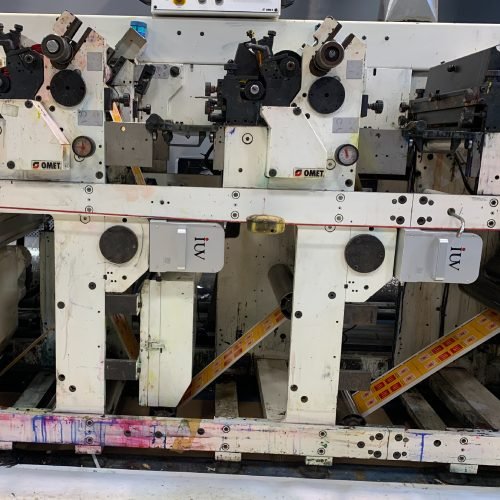
System retrofitting introduces additional considerations. Existing presses designed for conventional mercury or metal halide lamps may require adjustments to nip pressure, web path alignment, and exposure settings when converting to LED UV. Variations in mechanical tolerances and press dynamics can influence ink transfer and curing uniformity, directly impacting adhesion. During retrofits, comprehensive testing with production-representative substrates and inks is essential to validate adhesion performance under realistic operational conditions.
From a production efficiency standpoint, adhesion reliability has direct implications for yield and downstream handling. Inadequate bonding can result in label lift, smearing, or delamination during converting and packaging processes, increasing waste and rework. Implementing routine quality monitoring, including tape tests, crosshatch adhesion checks, and inline process control, allows for immediate identification and correction of adhesion deviations, supporting consistent output across diverse substrates.
Ultimately, assessing and ensuring adhesion reliability of UV LED cured inks requires a systematic approach that integrates ink chemistry, substrate behavior, LED UV system design, thermal management, and press mechanics. By addressing these factors holistically, production engineers can achieve robust cross-substrate adhesion, maintain regulatory compliance for low migration applications, and optimize both quality and operational efficiency across a range of packaging formats.