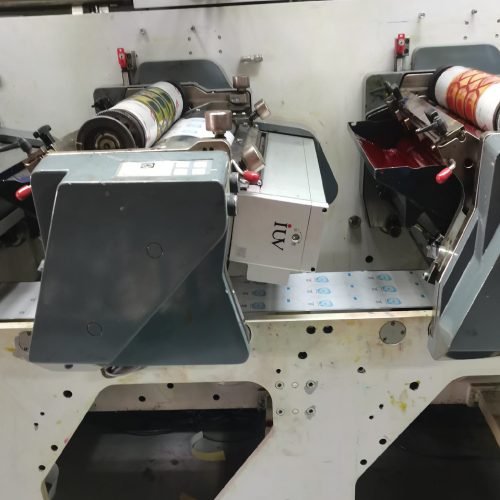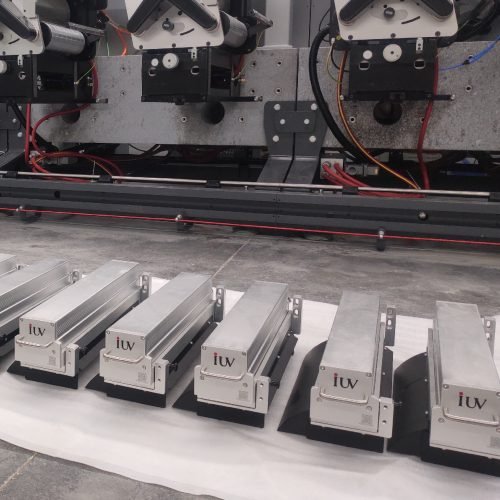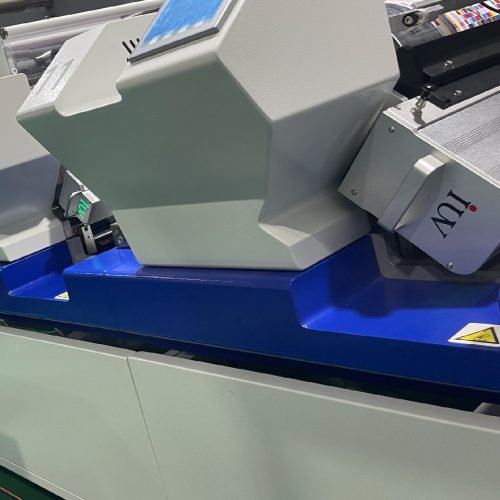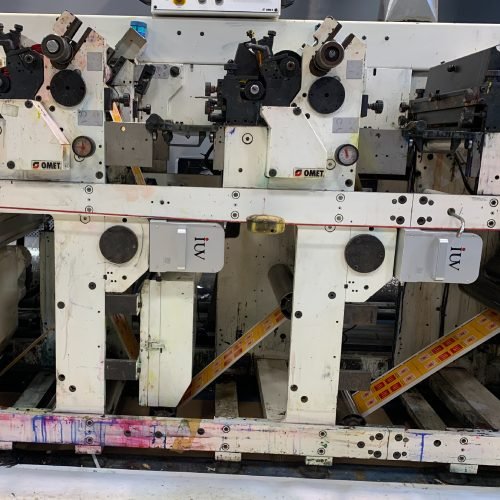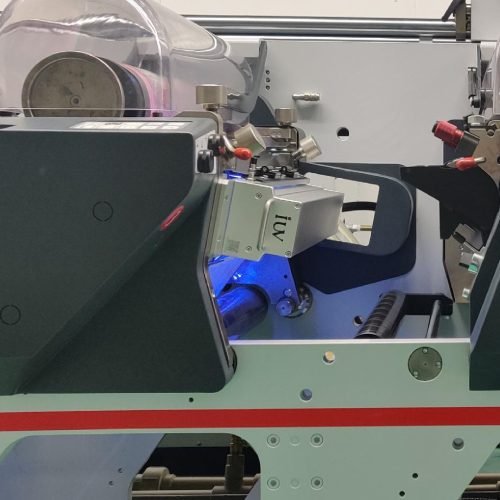
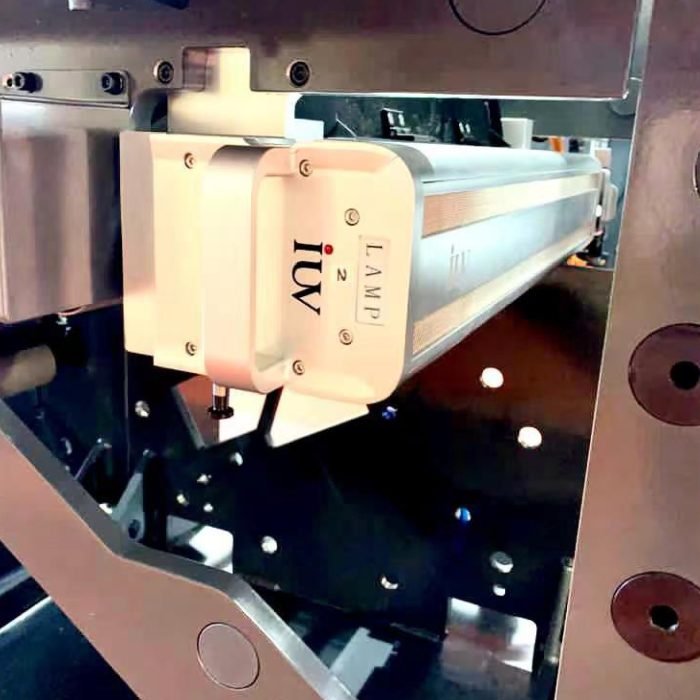
The transition from conventional ultraviolet curing technology to LED-based curing systems has become a common upgrade path in narrow web label printing. Many converters operate flexographic or hybrid offset presses that were originally designed around traditional UV lamps. Integrating LED UV curing units into these existing platforms requires careful engineering evaluation to ensure that curing performance, ink adhesion, and production stability are maintained across a wide range of substrates and printing conditions.
One of the first technical considerations in a retrofit project is the physical integration of LED modules into the press architecture. Narrow web presses often have limited installation space around each print station, and the original lamp housings may have been designed for larger conventional UV systems. LED curing units typically have different mechanical profiles, cooling requirements, and optical geometries. Engineers must therefore assess mounting positions, structural clearances, and lamp-to-substrate distance to ensure that the LED modules can be installed without interfering with impression cylinders, anilox rollers, or web transport components. Proper alignment is critical because even small deviations in lamp positioning can influence the uniformity of curing across the web width.
Electrical integration also requires careful planning. Existing presses may have power distribution systems designed for different load characteristics associated with traditional UV lamps. LED curing units typically rely on dedicated power supplies, stable voltage control, and integrated electronic monitoring. During system installation, the electrical infrastructure must be evaluated to ensure compatibility with the LED power architecture. Inadequate power stability or incorrect wiring can lead to fluctuations in lamp output, which directly affects curing consistency during production.
Another important aspect of integration is the interaction between LED curing characteristics and the ink systems used on the press. UV inks formulated for conventional mercury lamps may not respond efficiently to the emission profile of LED curing units. When converting to LED curing, converters often need to adopt ink formulations specifically designed for LED activation. Process validation becomes necessary to confirm that the selected inks achieve reliable polymerization, adequate adhesion, and sufficient resistance to abrasion and chemical exposure. This validation process is particularly important for label applications that require low migration performance for sensitive packaging environments.
Substrate performance must also be evaluated during the retrofit process. Narrow web label production involves a wide variety of materials, including coated paper stocks, polypropylene films, polyethylene substrates, and multilayer laminates. Each substrate interacts differently with UV energy and thermal conditions generated during curing. LED systems generally produce lower radiant heat toward the substrate than conventional UV lamps, which can reduce the risk of substrate distortion. However, differences in thermal distribution and energy penetration may require adjustments in press setup to maintain consistent curing performance across diverse materials.
Thermal management within the curing units is another critical engineering consideration. LED arrays generate heat that must be efficiently removed from the system to maintain stable operating conditions. In retrofit installations, the press enclosure may not have been designed with the airflow patterns required for LED module cooling. Without proper heat dissipation, elevated internal temperatures can affect LED output stability and shorten component lifespan. Engineers typically address this challenge through integrated cooling systems, heat sinks, and controlled airflow within the press environment.
Mechanical press dynamics also influence curing stability after LED integration. Factors such as web tension control, impression pressure, and anilox ink transfer determine the thickness and uniformity of the deposited ink film. If these variables are not carefully managed, the curing process may become inconsistent across the web or between print stations. During commissioning, engineers often conduct extended production trials to verify that curing performance remains stable under realistic press conditions, including long runs and frequent substrate changes.
Production efficiency is closely linked to the success of the integration process. A properly installed LED UV curing system can allow converters to maintain consistent curing performance while reducing operational disruptions associated with lamp warm-up and maintenance cycles typical of conventional UV systems. However, these operational benefits can only be realized when the integration process addresses the mechanical, electrical, and process-level interactions between the curing system and the press platform.
Low migration validation represents another important requirement for many label converters. In applications involving food packaging, pharmaceutical labeling, or other sensitive product categories, regulatory compliance demands complete and consistent ink polymerization. After integrating LED curing units, converters must verify that curing conditions support low migration ink systems across all relevant substrates and production scenarios. This verification typically includes adhesion testing, surface cure evaluation, and migration compliance assessments under real production conditions.
Integrating LED UV curing units into existing narrow web press systems therefore requires a comprehensive engineering approach. Mechanical installation, electrical compatibility, ink formulation, substrate interaction, thermal management, and press dynamics all influence the final curing performance. When these factors are addressed systematically during retrofit planning and commissioning, converters can achieve stable curing conditions that support reliable label production across a wide range of materials and applications.