In the high-stakes arena of wide-web flexible packaging, consistency is the non-negotiable currency of quality and profitability. Variations in gloss, color density, or coating adhesion across a 1600mm web are not mere aesthetic blemishes; they translate directly into material waste, rejected batches, and eroded brand trust. The linchpin of this challenge is a single, critical metric: UV curing uniformity. Attaining a tolerance of ±3% in energy distribution across the entire web width is the recognized benchmark for premier production. This technical analysis dissects the engineering principles and systemic innovations required to meet this exacting specification, focusing on the intricate interplay between advanced LED-UV technology, precision optics, and intelligent process control within high-speed flexographic and offset printing environments.
The Critical Imperative of ±3% Uniformity in Flexible Packaging
Flexible packaging substrates—such as BOPP, PET, and PE films—are routinely processed at speeds surpassing 300 meters per minute. At this scale and velocity, even minor deviations in UV energy delivery are exponentially magnified. Traditional mercury arc lamps inherently suffer from “edge-drop,” where irradiance diminishes from the lamp’s geometric center towards its ends. This results in a cured film that may be over-exposed centrally and under-cured at the edges. The consequences are severe: differential gloss, compromised intercoat adhesion in multi-layer laminates, and unpredictable barrier performance. The ±3% target is thus a functional prerequisite, not an abstract goal. It ensures every square centimeter of a printed pouch or shrink sleeve receives identical photonic energy, guaranteeing uniform polymerization, durability, and visual fidelity from edge to edge.
Pillar One: Advanced Optical Systems & Secondary Lens Engineering
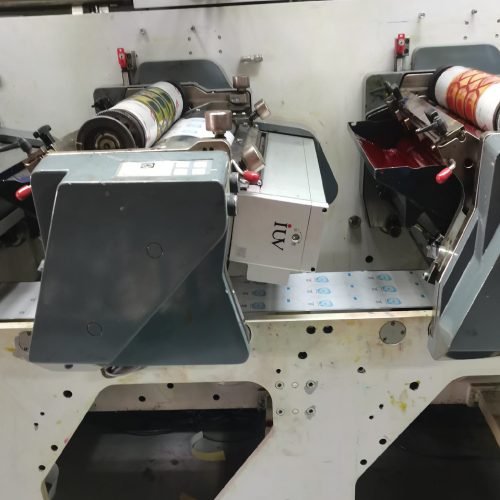
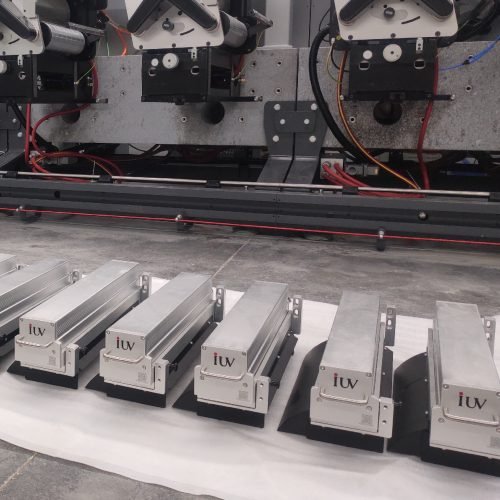
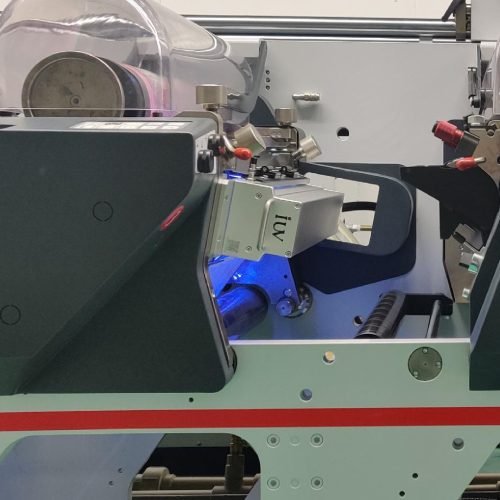
The quest for uniformity begins with mastering light propagation. A standard high-power LED array emits in a Lambertian pattern, which is intrinsically non-uniform for wide-web applications. To transform this raw output into a homogeneous “energy curtain,” a proprietary secondary optical system is essential. These lenses, fabricated from high-purity fused silica or engineered polymers, meticulously collimate and shape the UV beam. The design must control beam angle, minimize divergence, and reduce internal Fresnel reflections to negligible levels. For instance, IUV’s systems utilize such precision optics to create an irradiance profile with a deviation of less than ±3% across the full web width, a feature highlighted in their wide-web flexo curing solution specifications. This optical mastery is reported to enhance effective curing performance by over 20% compared to standard designs, directly tackling the challenges posed by reflective metallized films and heat-sensitive substrates.
Pillar Two: Sophisticated Thermal Management & Electrical Drive Integrity
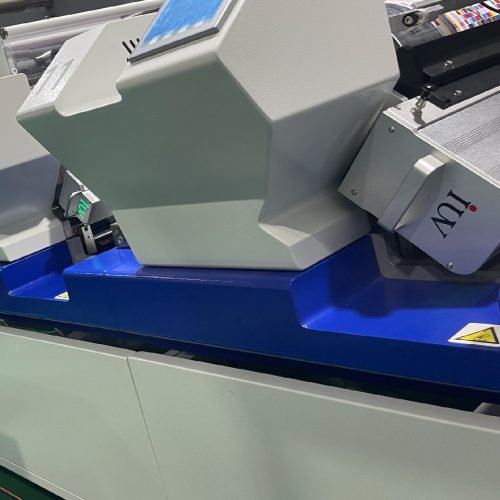
LED luminous efficacy and lifespan are inversely tied to junction temperature. In a wide-web system managing significant thermal load, inconsistent cooling creates localized hotspots and cold zones, directly causing unacceptable fluctuations in UV output and accelerating chromaticity shift. A robust, multi-mode cooling strategy is therefore non-negotiable. Leading systems, including IUV‘s offerings for wide-format presses, often integrate a water-air hybrid approach. This combines the high thermal capacity of a closed-loop water circuit with directed forced-air convection. The outcome is a stable thermal environment where each LED chip operates within a narrow, optimal temperature band. This thermal stability is fundamentally supported by a constant-current driver architecture with exceptionally low electrical ripple. Any variance in drive current causes an immediate, proportional change in UV irradiance. Consequently, modular, high-stability power supplies are critical to ensure every segment of an extended LED array receives identical, clean power, independent of mains voltage fluctuations.
Pillar Three: Intelligent, Data-Driven Process Control & Integration
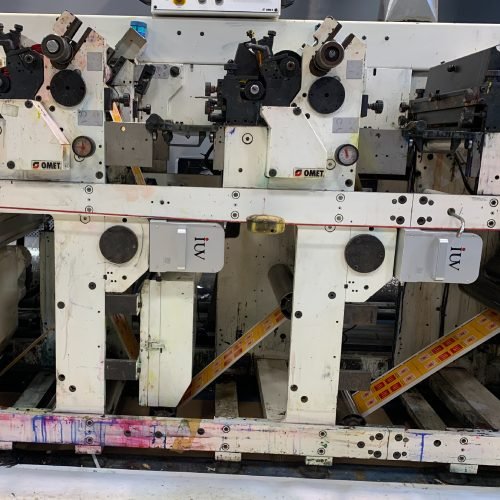
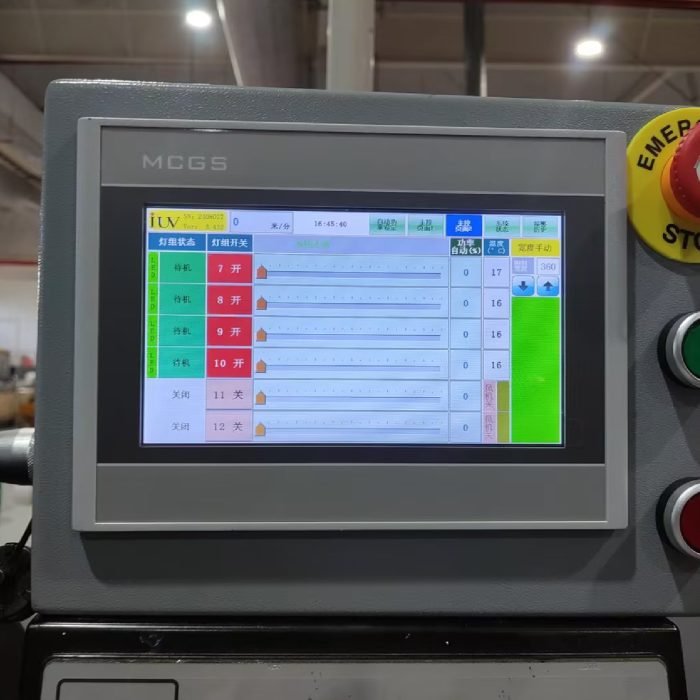
Modern LED-UV systems are active, intelligent subsystems, not passive utilities. Through industrial communication protocols like CAN bus or Ethernet/IP, the curing system receives real-time data streams on press speed, web width, and even job type. An embedded intelligent controller leverages this data to perform two vital functions dynamically. First, it modulates power output to maintain the requisite energy density (J/cm²) as press speed varies, ensuring consistent cure regardless of acceleration or deceleration. Second, and most critically for width-based uniformity, it activates only the specific LED arrays covering the actual printed web—a feature known as automatic width detection. This “zone lighting” eliminates the parasitic energy spillage at the physical extremities of the lamp, a primary contributor to the historical edge-drop phenomenon. This closed-loop, smart control is indispensable for guaranteeing the ±3% uniformity specification while concurrently unlocking up to 30% in additional energy savings, a key value proposition for sustainable printing operations.
Validation Protocol: The Science of Measuring Uniformity
A technical specification is only as credible as its verification method. The industry-standard protocol for validating curing uniformity employs a calibrated UV radiometer equipped with a wide-area sensor or a motorized profiling scanner. The procedure is rigorous and repeatable:
- Position the sensor at the nominal curing distance (e.g., 15-20mm) from the lamp’s output window, replicating production conditions.
- Record irradiance (W/cm²) measurements at a predefined, dense grid of points spanning the entire usable lamp width.
- Calculate the arithmetic mean irradiance and then determine the percentage deviation of each individual measurement point from this mean value.
A system genuinely compliant with the ±3% specification will demonstrate all collected data points residing within a total bandwidth of 6%. This validation is not a one-time factory acceptance test; it should be incorporated into a scheduled preventive maintenance program. Factors such as lens surface cleanliness, coolant purity, and ambient temperature directly influence the results and must be continuously managed.
Conclusion: Translating Photonic Precision into Market Leadership
Mastering ±3% curing uniformity in wide-web flexible packaging is a definitive engineering milestone. It signifies the evolution of UV curing from a basic utility to a precision process control instrument. For converters, investing in a system engineered for this benchmark—one that synergizes high-density LED arrays with secondary optics, hybrid thermal management, and adaptive, data-driven control algorithms—delivers undeniable competitive leverage. It drastically reduces waste and costly rejects, ensures unwavering batch-to-batch consistency for global brand owners, and enhances operational sustainability through superior energy efficiency. In an industry where margins are perpetually scrutinized and quality is paramount, this degree of technical excellence transforms a production line into a reliable, high-margin asset. It secures a decisive advantage in the dynamic and demanding flexible packaging marketplace.