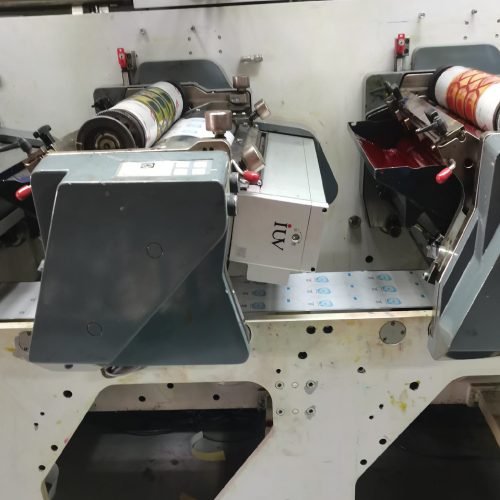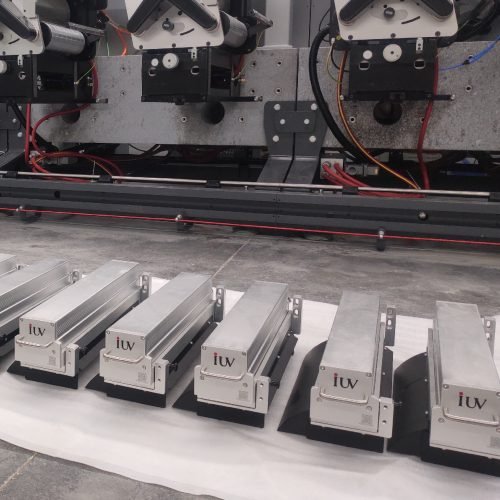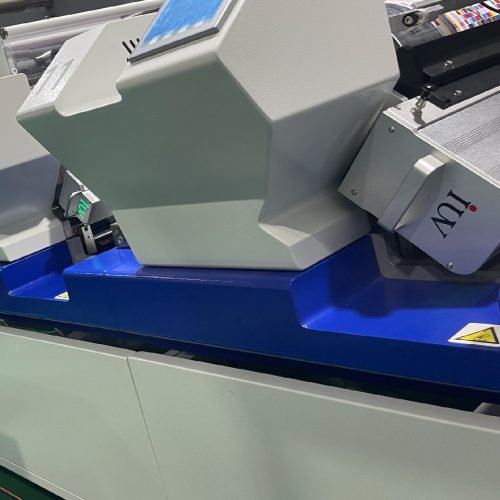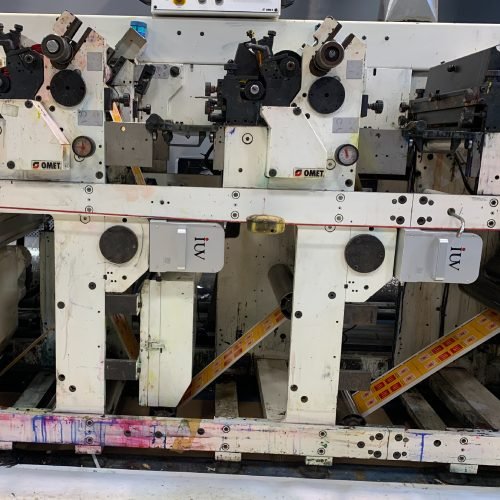
In flexographic printing, curing technology plays a critical role in determining print quality and production efficiency. The debate between LED curing systems and traditional UV methods continues as converters seek optimized solutions for label production, narrow web applications, and flexible packaging. This analysis examines both technologies through the lens of operational performance, cost efficiency, and environmental impact.
Energy Consumption Patterns
LED UV systems consume 50-70% less energy than conventional mercury vapor lamps. Traditional UV units require continuous power to maintain lamp temperature, even during idle periods. LED arrays activate instantly and draw minimal standby power, making them ideal for job changeovers common in label printing. Mercury-based systems often necessitate 15-30 minute warm-up cycles, wasting energy during short production runs typical in narrow web flexo operations.
Substrate Compatibility Considerations
Modern LED curing units now support 95% of UV-curable flexo inks, including white and metallic formulations that previously challenged early-generation systems. Traditional UV remains necessary for specialized applications involving heat-sensitive films below 20 microns thickness. Both technologies effectively cure inks on paper, polyester, and polypropylene substrates common in tag and label manufacturing.
Production Speed Comparisons
High-intensity LED systems achieve cure speeds exceeding 200 meters/minute, matching conventional UV performance in mid-range flexo presses. The latest 395-410nm wavelength LEDs provide deeper ink penetration for opaque white layers in multi-color process printing. Traditional systems maintain an edge in ultra-high-speed web applications above 300 meters/minute, though LED advancements continue narrowing this gap.
Maintenance Requirements
LED curing units eliminate lamp replacement costs and mercury disposal fees. Traditional UV systems require quarterly lamp changes at $800-$1,200 per unit and annual reflector maintenance. LED arrays typically last 20,000-30,000 operational hours without performance degradation, compared to 1,000-1,500 hours for mercury vapor lamps. This reliability reduces downtime in 24/7 label production environments.
Environmental Compliance Factors
LED technology removes mercury from the printing process, aligning with global RoHS and REACH regulations. Traditional UV systems require hazardous material handling certifications and special disposal protocols. Both technologies use photoinitiators, but LED-curable inks often contain lower VOC formulations suitable for food packaging and pharmaceutical labels.
Ink Chemistry Developments
Specialized LED-curable inks now match conventional UV in gloss levels (85-95 GU) and adhesion properties. Formulators have resolved early challenges with pigment dispersion and surface tension characteristics. Hybrid ink systems compatible with both curing methods are gaining traction among converters maintaining mixed equipment fleets.
Press Configuration Flexibility
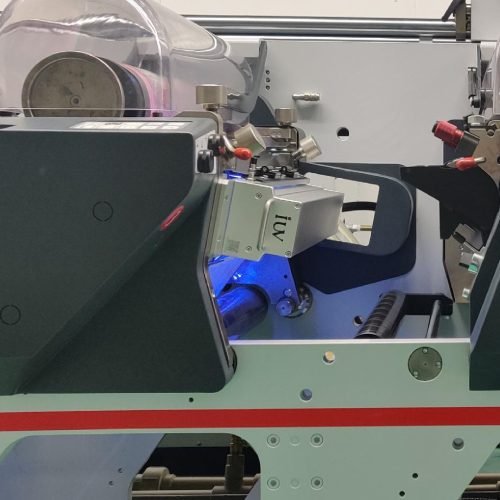
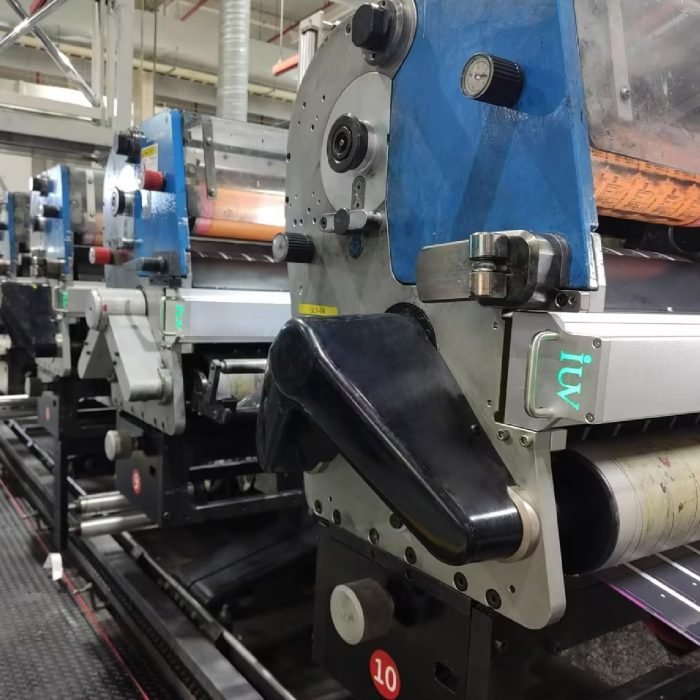
Modular LED units enable precise curing zone adjustments for complex label designs with multiple substrates. Traditional UV systems often require fixed lamp positions due to reflector configurations. The compact design of LED arrays allows installation in tight spaces on retrofitted flexo presses, particularly beneficial for narrow web converters with limited pressroom area.
Temperature-Sensitive Applications
LED curing generates 70% less radiant heat than conventional UV systems, preventing substrate distortion in thin-film pressure-sensitive label production. This thermal management proves critical when printing on heat-shrink films or temperature-sensitive synthetics. Traditional UV remains preferable for applications requiring substrate surface temperatures above 60°C to activate specific ink properties.
Capital Investment Analysis
LED curing systems command 20-40% higher upfront costs than traditional UV setups. The ROI timeline typically spans 18-30 months through energy savings and reduced maintenance. Government incentives for eco-friendly technologies in some regions can shorten payback periods. Conventional UV maintains cost advantages for high-volume single-substrate operations with infrequent job changes.
Operational Safety Improvements
LED systems eliminate ozone generation and UV leakage risks associated with mercury lamps. Traditional UV installations require exhaust systems and protective shielding to meet OSHA standards. The cool operation of LED units reduces workplace temperatures in label printing facilities, particularly advantageous in summer months.
Color Consistency Performance
Both technologies maintain ±2 ΔE color tolerance in controlled conditions. LED’s instant-on capability prevents cure variation during press starts and stops. Traditional UV systems may show slight color shifts during warm-up phases, requiring compensation in color management workflows for premium packaging jobs.
Future-Proofing Considerations
Regulatory trends favor mercury-free curing solutions, with the Minamata Convention accelerating phase-outs in multiple countries. LED technology continues advancing in peak irradiance (now exceeding 20 W/cm²) and spectral range. Traditional UV manufacturers are developing alternative lamp chemistries, though adoption rates lag behind LED innovations.
The selection between LED and traditional UV curing ultimately depends on specific application requirements and operational priorities. LED systems dominate in energy-sensitive, multi-substrate environments common in modern label and narrow web printing. Conventional UV retains relevance for specialized high-speed applications and operations with existing infrastructure. As material science advances and environmental regulations tighten, the industry continues shifting toward LED solutions that balance performance with sustainability.