Understanding UV Curing Systems in Modern Printing
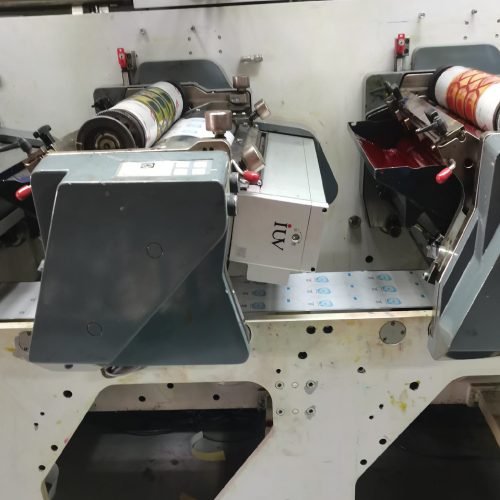
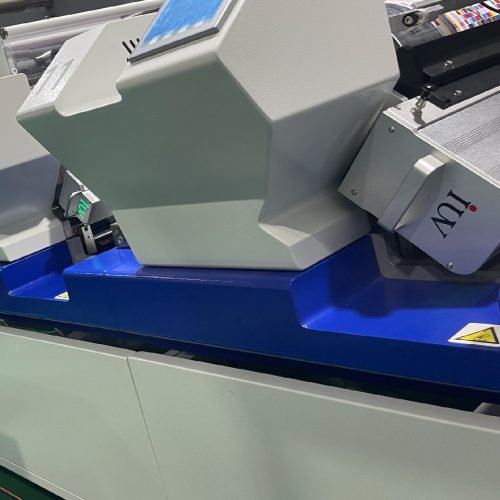
UV curing systems have revolutionized printing by accelerating production cycles and enhancing print quality. These systems use ultraviolet (UV) light to instantly dry or “cure” inks, coatings, and adhesives. Unlike traditional drying methods, UV curing eliminates solvent evaporation, making it an eco-friendly solution. This technology is widely adopted in label, flexographic, offset, and narrow-web printing due to its precision and efficiency.
How UV Curing Works: A Technical Breakdown
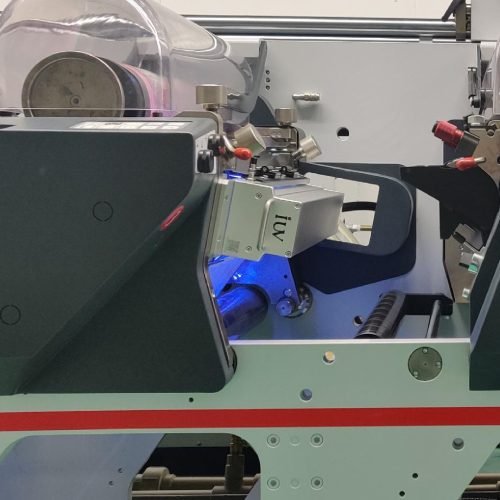
UV curing involves a photochemical reaction. When UV light interacts with photoinitiators in UV-sensitive inks or coatings, it triggers polymerization. This process transforms liquid materials into solid, durable films within seconds. The system comprises three core components:
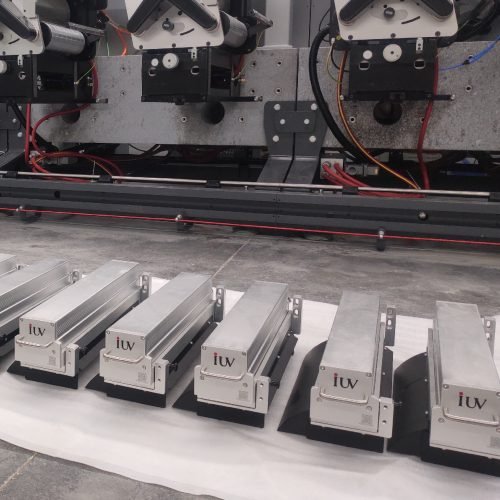
- UV Lamps or LEDs: Generate specific wavelengths of UV light (typically 200-400 nm).
- Inks/Coatings: Formulated with photoinitiators and monomers that react to UV exposure.
- Reflectors and Cooling Systems: Direct UV energy efficiently and prevent overheating.
LED UV systems, a newer innovation, offer longer lifespans and lower heat output compared to traditional mercury-vapor lamps. This reduces energy consumption and minimizes substrate distortion, especially in heat-sensitive materials like thin films or labels.
Applications in Label Printing
Label printing demands high-speed production and resistance to abrasion, moisture, and chemicals. UV curing excels here by:
- Delivering instant drying, enabling immediate cutting, folding, or packaging.
- Enhancing color vibrancy and sharpness due to minimal ink spreading.
- Supporting diverse substrates, including synthetic films, metallic papers, and shrink sleeves.
For example, wine labels often require tactile effects like raised textures. UV-curable coatings can achieve this without compromising production speed.
Flexographic Printing: Efficiency Meets Versatility
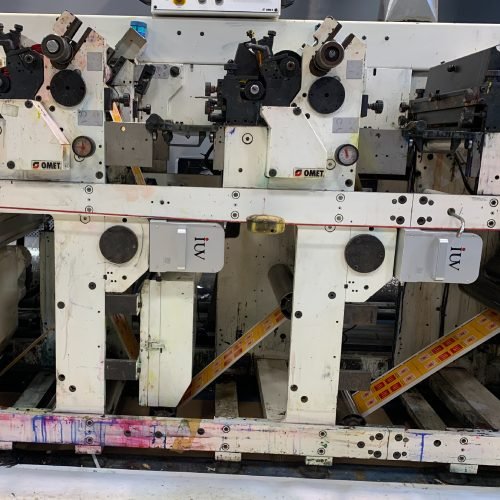
Flexo printing, common in packaging, benefits from UV curing’s adaptability. Key advantages include:
- Reduced Solvent Use: UV inks contain no volatile organic compounds (VOCs), aligning with sustainability goals.
- Faster Job Turnarounds: Prints are ready for finishing immediately after curing.
- Improved Print Consistency: UV curing minimizes dot gain, ensuring accurate color reproduction.
LED UV systems are particularly advantageous for flexo presses running heat-sensitive materials, such as polyethylene or polypropylene films.
Offset Printing: Elevating Quality and Durability
In offset printing, UV curing enhances both sheetfed and web processes. Benefits include:
- Higher Gloss Finishes: UV coatings provide superior surface protection and visual appeal.
- Reduced Paper Waste: Instant curing eliminates smudging during sheet handling.
- Hybrid Printing Capabilities: Combining UV with conventional inks allows for special effects like spot gloss or textured finishes.
Commercial printers using UV offset often report fewer rejects and faster delivery times, critical for high-volume projects like brochures or packaging.
Narrow-Web Printing: Precision for Specialty Markets
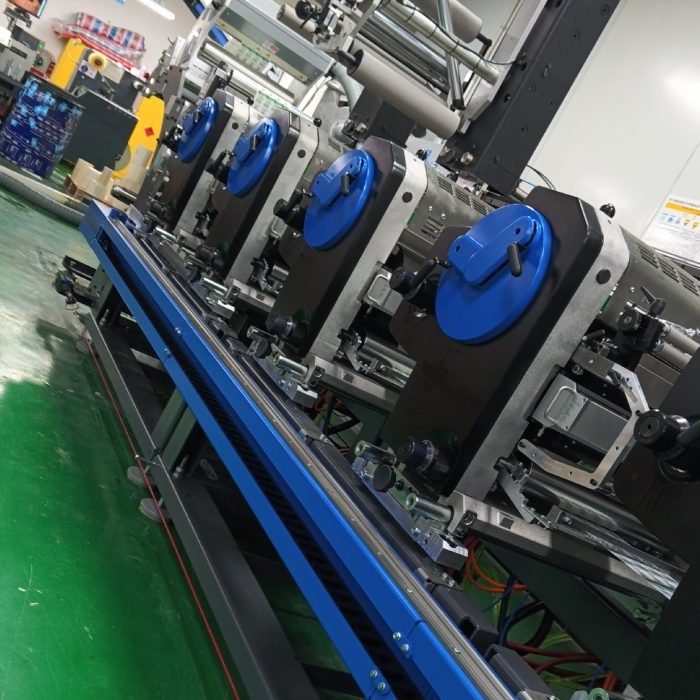
Narrow-web presses, used for tags, tickets, and security prints, rely on UV curing for intricate designs and durable outputs. Key features include:
- Fine Detailing: UV inks maintain sharpness on small text or micro-images.
- Resistance to Harsh Environments: Ideal for industrial tags or outdoor labels.
- Compatibility with Digital Hybrid Presses: Combines digital printing’s flexibility with UV’s rapid curing.
LED UV systems are increasingly preferred in narrow-web applications for their ability to handle temperature-sensitive substrates without sacrificing speed.
LED UV vs. Traditional UV: Key Differences
While both systems use UV light, LED technology offers distinct improvements:
- Energy Efficiency: LEDs consume up to 70% less power than mercury lamps.
- Longer Lifespan: LED lamps last 10,000 hours vs. 1,000–2,000 hours for traditional bulbs.
- Cooler Operation: Reduced infrared radiation prevents substrate warping.
- Instant On/Off: Eliminates warm-up time, boosting productivity.
These benefits make LED UV ideal for printers prioritizing sustainability and operational cost savings.
Choosing the Right UV Curing System
Selecting a UV system depends on factors like:
- Substrate Type: Heat-sensitive materials require LED UV.
- Print Speed: High-speed presses need high-intensity lamps.
- Ink Chemistry: Ensure compatibility between photoinitiators and UV wavelengths.
Work closely with suppliers to test systems under real production conditions. Many manufacturers offer modular designs, allowing upgrades as needs evolve.
Maintenance Tips for Optimal Performance
To maximize UV system lifespan and output quality:
- Clean reflectors and lamps regularly to prevent energy loss.
- Monitor UV intensity with radiometers to ensure consistent curing.
- Replace lamps or LEDs as recommended by the manufacturer.
Preventive maintenance reduces downtime and avoids costly reprints due to incomplete curing.
Future Trends in UV Curing Technology
Innovations like low-energy UV LEDs and water-based UV inks are expanding applications in food packaging and medical labels. Additionally, integration with Industry 4.0 enables real-time curing monitoring via IoT sensors, optimizing energy use and print quality.
Final Thoughts
UV curing systems are indispensable in modern printing, offering speed, quality, and environmental benefits. Whether producing labels, flexible packaging, or commercial prints, understanding UV technology’s capabilities ensures competitive advantage. For businesses exploring UV adoption, assessing specific production needs and partnering with experienced suppliers is crucial for long-term success.