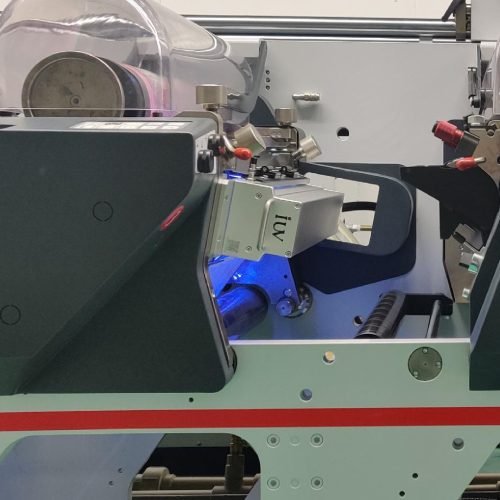
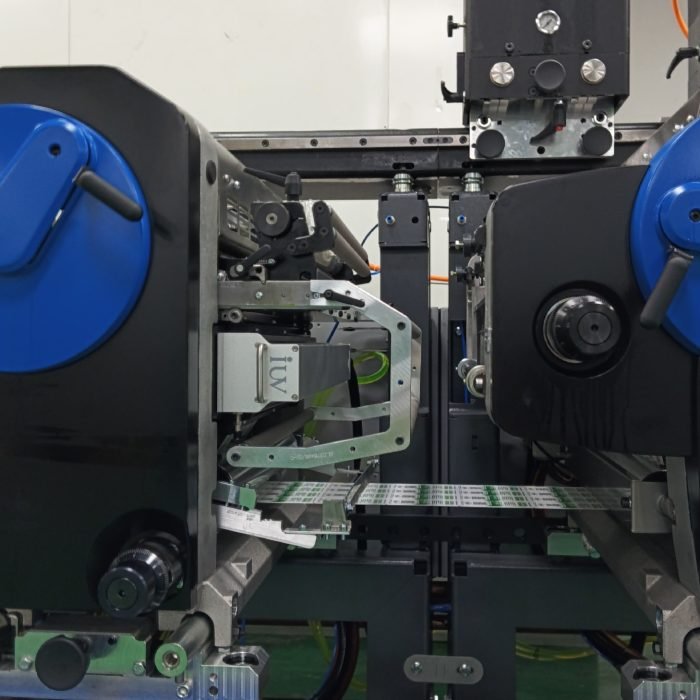
In the fast-paced world of printing, understanding curing technologies separates profitable operations from costly mistakes. Two systems dominate industrial curing discussions: traditional UV and LED UV. Let’s examine their critical differences through the lens of real-world printing applications.
Energy Consumption Patterns
Traditional UV systems rely on mercury-vapor lamps consuming 10-40kW hourly. These power-hungry units require continuous operation to maintain optimal temperature. LED UV alternatives slash energy use by 70%, drawing just 3-12kW during active curing. For narrow web presses running 24/5 operations, this difference converts to annual savings exceeding $15,000 per press unit.
Spectral Output Characteristics
Mercury-based UV lamps emit broad-spectrum radiation (200-450nm), demanding complex photoinitiator formulations. LED systems deliver targeted wavelengths (365-405nm), enabling precise chemical tuning. This spectral focus allows formulators to create inks curing completely with 20% less photoinitiator content – a critical advantage for food packaging printers needing low-migration chemistries.
Heat Generation Profiles
Infrared output from conventional UV lamps raises substrate temperatures by 30-50°C. LED arrays maintain material temperatures below 15°C increase. This thermal management proves vital for thin film label stock and heat-sensitive flexible packaging materials. Cold curing preserves dimensional stability in unsupported substrates, reducing waste in premium tag production.
Lifespan and Maintenance Requirements
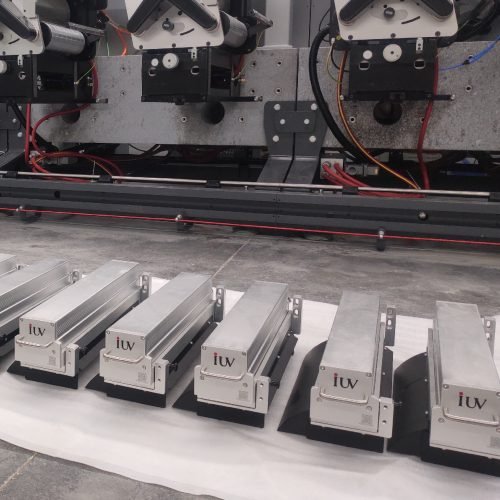
Mercury lamps degrade after 1,000-2,000 hours, requiring quarterly replacements. LED modules maintain 80% output after 20,000 operational hours. For sheetfed offset printers, this translates to 5 years of maintenance-free curing versus 20 lamp changes on traditional systems. Eliminating mercury disposal protocols further reduces compliance costs in regulated markets.
Application-Specific Performance
Label Printing Environments
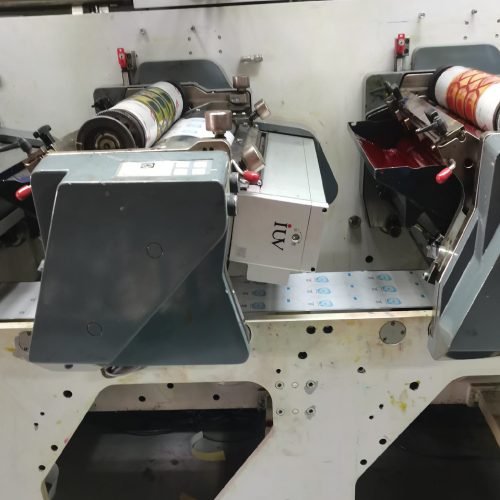
LED’s instant on/off capability enables energy savings during job changeovers. The technology’s cold cure prevents PET and PP films from warping during high-speed (200m/min) narrow web runs. Traditional UV remains preferable for metallic ink applications requiring deeper infrared penetration.
Flexographic Printing Considerations
Water-based flexo inks benefit from LED’s selective curing that avoids premature drying on anilox rolls. Newer LED systems achieve 400m/min cure speeds for extended gamut process printing. Hybrid UV/LED configurations now handle thick opaque whites without oxygen inhibition issues.
Offset Printing Applications
LED-optimized inks show superior dot gain control (3-5% improvement) compared to conventional UV in sheetfed environments. The technology’s rapid curing halts ink absorption into uncoated stocks, maintaining color density in premium packaging work. Traditional UV retains advantages for specialty coatings requiring intense IR drying.
Narrow Web Printing Demands
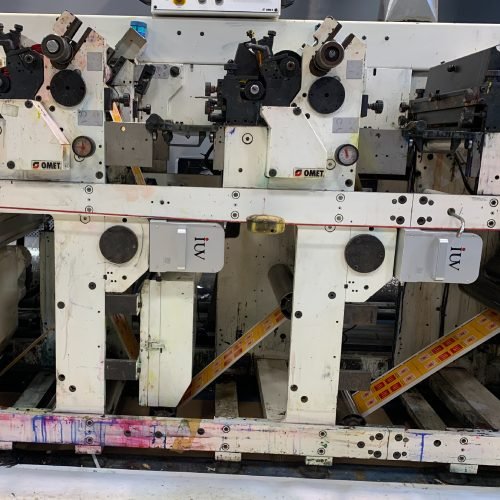
Modular LED arrays enable variable curing zones for complex multi-layer tags. The technology’s compact footprint allows integration into legacy presses with 150mm diameter impression cylinders. UV mercury systems still dominate when curing thick (15 micron) security inks with titanium dioxide content.
Environmental Compliance Factors
LED systems eliminate mercury waste streams and reduce VOC emissions by 40% through complete ink polymerization. California’s South Coast Air Quality Management District reports LED adopters achieve 90% compliance with Rule 1171 versus 65% for conventional UV users. The technology’s reduced ozone production meets stringent workplace safety regulations.
Total Cost Analysis
While LED UV requires 30% higher initial investment, operational math favors conversion. A typical 8-color label press shows 14-month ROI through:
- 82% less energy consumption
- Elimination of lamp replacement costs
- 60% reduction in HVAC load
- 18% faster job turnover from instant curing
Material Compatibility Updates
Recent advances address historical LED limitations:
- Hybrid photoinitiators now cure thick (50 micron) screen printed textures
- UV-A optimized LEDs handle white inks with 85% opacity at 150m/min
- Dual-wavelength systems (385 405nm) process legacy UV coatings without reformulation
Future-Proofing Considerations
Regulatory trends suggest mercury UV phaseouts by 2030 in EU markets. Early LED adopters gain formulation expertise with emerging ink chemistries. Press manufacturers report 70% of new installations specify LED-only curing configurations, making hybrid readiness essential for secondary market equipment value.
Operators must evaluate substrate portfolios, production volumes, and regulatory exposure when choosing curing systems. LED UV delivers measurable advantages for high-mix environments prioritizing speed and sustainability. Traditional UV maintains niche applications where broad-spectrum output justifies operating costs. As material science closes remaining performance gaps, LED technology increasingly becomes the default rather than alternative choice across printing segments.